

Updated February 2026: We have updated the article with the latest 2026 trends in assistive mobility and technology, including AI-powered wheelchairs, lightweight materials, modular seating, autonomous navigation, and the integration of advanced pediatric mobility solutions. This reflects recent advances supporting both facility-based and at-home care environments.
Understanding California’s Form 602a for Assisted Living Facilities
The journey of transitioning a loved one into an assisted living facility in California begins with understanding the crucial role of California’s Form 602a, also known as the Physician’s Report for Residential Care Facilities for the Elderly (RCFE). This document not only captures essential medical information but also ensures a facility can adequately meet a potential resident’s specific care needs. With over 8,000 licensed residential care facilities across California, the widespread significance of Form 602a is undeniable. As a legal requirement, this form plays a pivotal role in the admission process, making it an indispensable tool for seniors and their families (California Department of Social Services).
What is California’s Form 602a and Why Is It Essential?
Form 602a is a vital document in the process of admitting seniors into assisted living facilities. Specifically designed to communicate an individual’s medical needs, it acts as a preliminary assessment tool for non-medical care facilities. For instance, consider Mrs. Smith, a senior with dementia. Before her move to assisted living, Form 602a ensured her care needs were identified and planned for (Home Based Medicine). The California Department of Social Services mandates this form to ensure facilities can offer appropriate care levels, underscoring its essential role in the admission process.
Key Components and How to Complete Form 602a
Completion of Form 602a requires meticulous attention to detail. It collects comprehensive medical data, including physical measurements, TB test results, current diagnoses, medication lists, and assessments of functional and cognitive status. Each of these elements collectively aids in determining a senior’s suitability for non-medical facilities. Taking the case of Mr. Johnson, who required a TB test and a mobility assessment before facility admission, underscores the importance of precise and detailed completion (Palos Verdes Villa).
- Download the form from the California Department of Social Services website.
- Schedule an examination with a licensed healthcare provider.
- Ensure thorough completion of all sections by the physician.
- Submit the completed form to the anticipated residential care facility.
This careful approach ensures that families can streamline the admission process, making the transition smoother for their loved ones.
Overcoming Challenges in Completing Form 602a and Other Necessary Documents
Navigating the completion of Form 602a can present challenges, often compounded by the need for additional documentation. Many families, like the Riveras, face complexities when managing the required paperwork (Caring.com). Common hurdles include coordinating appointments with healthcare providers and ensuring all required information is accurately documented.
Additional documents typically needed for the admission process include:
- Resident Agreement
- Power of Attorney
- Insurance Information
- Advance Directives
- Detailed Medication List
Addressing these challenges proactively can significantly ease the transition into assisted living.
Meeting the diverse care needs of seniors often extends beyond paperwork. Assisted living facilities are now leveraging the latest advances in assistive technology to further enhance residents’ independence, safety, and quality of care. Modern solutions increasingly include smart power wheelchairs and scooters featuring advanced control systems, obstacle detection, and customizable settings, as well as the use of lightweight materials such as aluminum alloys and carbon fiber for easier handling and maneuverability. Enhanced seating systems now offer modular, highly customizable designs and advanced pressure-relief cushions, contributing to resident comfort and reducing risks associated with pressure injuries (Envision; Simplilearn; CES; JP Morgan).
Recent innovations showcased at events such as CES 2026 include AI-powered accessibility solutions like self-driving mobility chairs, AI exoskeletons with motion-adaptive engines, and neural control interfaces that further empower individuals with significant mobility impairments (CES). Today’s smart wheelchair technology features autonomous navigation, sensor-enabled pressure monitoring, and app-based controls, while pediatric mobility solutions increasingly leverage data-aware designs with GPS tracking, pressure mapping, and connected health monitoring (Sen Teachers Training).
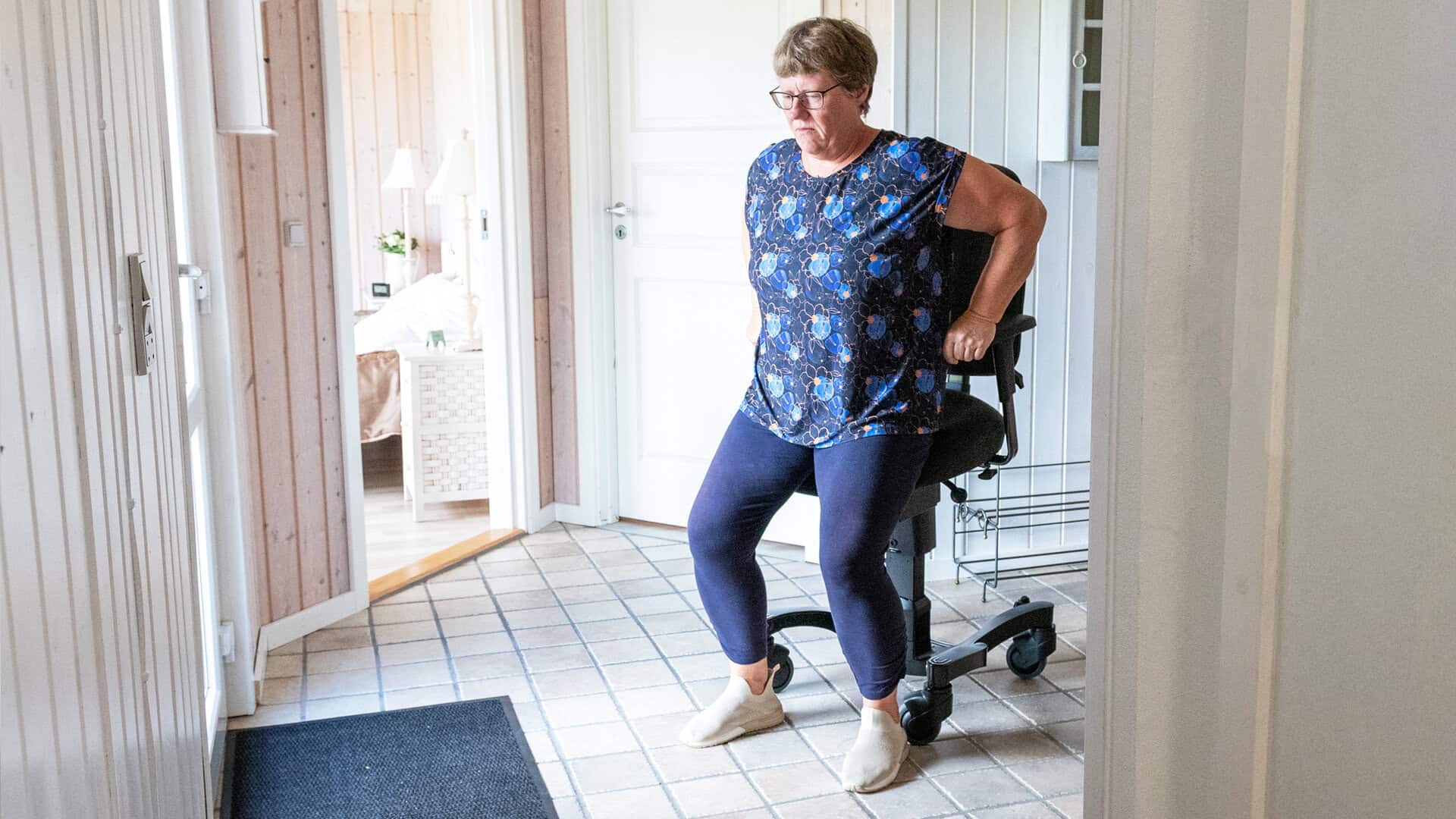
Mobility and safety assessments hinted at in the Form 602a inspire families to consider innovative solutions such as the VELA Independence Chair. VELA is a medically approved mobility chair designed for home use. It enhances safety and freedom of movement while seated, supporting daily activities such as cooking, dressing, or transferring, all while reducing the load on informal caregivers.
Supporting Aging in Place: A Practical Option
Enabling older adults to stay independent in their homes is increasingly appealing, with solutions like VELA Chairs making a tangible difference. These chairs offer features such as a central brake for safety, electric height adjustability, and effortless maneuverability, which help prevent falls and save energy. New developments in rehabilitation also utilize extended reality (XR) technologies to deliver immersive, risk-free therapy experiences that can be tailored to individual needs, supporting more effective recovery and independence (Simplilearn).
Tasks like cooking or dressing become more manageable, allowing seniors to continue living comfortably at home. Imagining life with or without a VELA Chair highlights its value—where previously, simple activities may require caregiver help, VELA Mobility Aids for Seniors enable autonomy and dignity. It is a reliable option for delaying the transition to a nursing home, though other solutions may also be feasible. By choosing the right aid, seniors can enjoy safer, more independent lives and reduce strain on their caregivers.
Continued innovation in assistive technologies, from AI-driven devices and wearable health monitors to immersive rehabilitation aids and ergonomic seating, is helping support individualized care strategies and promote accessibility in both assisted living facilities and home settings (Envision; Simplilearn; CES; devabit; Sen Teachers Training; JP Morgan).