

Updated February 2026: We have updated the article with the latest 2025–2026 regulatory changes to assisted living—including enhanced staff and administrator training, staffing transparency, and infection control. The article now addresses innovations such as AI-driven safety monitoring and adaptive facility designs, updated assisted living cost estimates, and highlights dementia care and technology trends in senior living. Authoritative sources such as the 2025 Assisted Living State Regulatory Review and CMS/State compliance updates have been added.
Is Senior Living the Same as Assisted Living? A Comprehensive Guide
Is senior living the same as assisted living? This question often arises as families and seniors explore the best housing and care options. Understanding the differences is crucial since these terms involve various living arrangements impacting decision-making processes for seniors and their families. According to A Place for Mom, the U.S. hosts over 31,000 assisted living communities, each offering unique levels of care and services designed to meet diverse needs.
Understanding Senior Living: More Than Just Assisted Living
Senior living is an umbrella term encompassing housing solutions tailored for older adults. These include:
- Independent Living Communities: Designed for active seniors seeking a lifestyle free from the burdens of home maintenance, with a focus on social engagement and convenience.
- Assisted Living Facilities: Provide assistance with daily activities, perfect for those requiring more support but not needing round-the-clock skilled nursing.
- Memory Care Units: Tailored for residents with Alzheimer’s or dementia, offering a safe and supportive environment.
- Nursing Homes: Deliver 24/7 skilled nursing care for seniors with significant health needs.
A prime example is a senior community that integrates various living types, allowing residents to seamlessly transition from independent living to more intensive care as their needs evolve, promoting continuity and stability (Hebrew SeniorLife).
Key Differences Between Independent Living and Assisted Living
Understanding the level of care is central to differentiating between independent and assisted living:
- Independent Living: Focuses on minimal personal care with amenities for self-sufficient seniors, including housekeeping, meals, and social activities without direct care involvement.
- Assisted Living: Guarantees 24-hour assistance with daily activities, like bathing, dressing, and medication management, ideal for those requiring regular support while maintaining independence.
For instance, a senior thriving in an independent living scenario may prefer it for the active lifestyle, whereas another may choose assisted living if they require daily support (Sonida Senior Living).
Recent Regulatory and Care Model Updates in Assisted Living
Assisted living facilities have seen substantial regulatory and care model changes between 2025 and 2026. Eighteen U.S. states, including D.C., updated their rules in 2025—with the majority focusing on direct care staff education and training, administrator training, and staff scheduling to improve resident safety and quality of care (NCAL 2025 Assisted Living State Regulatory Review). Other key trends include mandated dementia-specific staff training, transparent public reporting of staff ratios, infection control measures, and electronic visit verification for Medicaid services (Activated Insights).
Assisted living now emphasizes not only clinical outcomes, such as reduced falls and increased resident satisfaction, but also more stringent ongoing training requirements and digital compliance systems. For costs, the average range for assisted living in 2026 is approximately $5,900–$70,800 per year (WTOP: Levels of Senior Living – 2026 Family Guide).
Technological and Design Innovations in Senior Living
Senior living communities are increasingly adopting advanced technologies and adaptive designs to support resident needs. Recent trends include AI-driven safety monitoring, electronic medication reminders using voice assistants such as Amazon Alexa, and the use of outcome-based digital reporting tools (WTOP: Levels of Senior Living – 2026 Family Guide). Facility designs have shifted toward more intuitive, adaptable layouts to accommodate both mobility and cognitive needs more inclusively. These efforts further enhance both resident independence and day-to-day safety. Innovations in dementia care environments now prioritize spaces that are familiar, comfortable, and stimulating for residents (Juniper Communities).
Choosing the Right Living Option: Factors to Consider
Selecting the appropriate living environment necessitates multiple considerations:
- Health Assessments: Evaluate the senior’s ability to manage daily tasks, medication, mobility, cognitive health, and chronic conditions.
- Lifestyle Preferences: Consider the senior’s inclination for social engagement and activities within a supportive community that aligns with their capabilities and interests.
- Financial Considerations: Examine costs related to each option. Independent living generally involves fewer care services, potentially making it less costly than assisted living, which entails additional fees for extensive support (Seniors Guide). As of 2026, assisted living costs are typically higher due to expanded staffing, technology, and compliance requirements.
Families often use checklists to systematically review these factors, prioritizing elements that best meet their loved one’s needs, such as considering assisted living for a parent facing mobility challenges.
Enhancing Independence with VELA Mobility Solutions
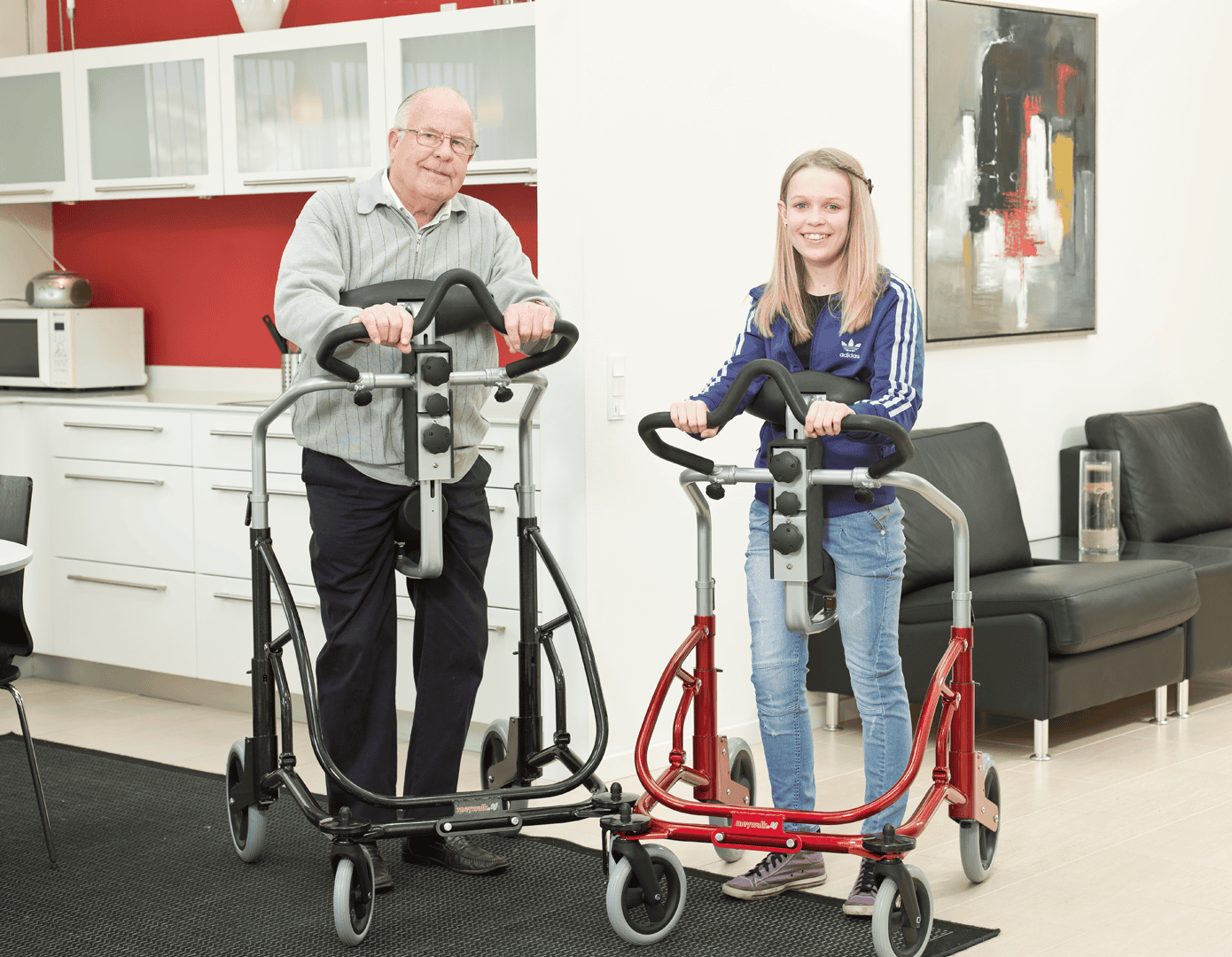
In exploring solutions to foster independence for seniors wary of the institutional feel of nursing homes, it’s essential to consider tools that empower them to age comfortably within their own homes. The VELA Independence Chair represents one such practical solution. This medically approved mobility chair is specifically designed to enhance safety and freedom at home. It allows seniors to continue engaging in daily activities like cooking, dressing, or transferring with increased ease, and it also reduces the burden on informal caregivers. With features like a central brake for safety and electric height adjustability, VELA chairs facilitate movement and independence for seniors wanting to remain in their familiar environments.
Explore support for seniors aging in place with VELA.
Conclusively, recognizing that senior living encompasses diverse options while assisted living signifies a specific care subset is vital for informed decision-making. These distinctions empower families and seniors to select environments that prioritize safety, independence, and personal fulfillment. As emphasized by Fields Senior Living, appreciating these differences ensures that care tailored to individual needs elevates life quality, enabling seniors to live comfortably and with dignity.
When considering alternatives to nursing homes, tools like the VELA Independence Chair provide seniors the option to stay longer in their own homes. This chair’s thoughtful engineering—such as its central brake system and electric height adjustability—supports daily safety needs and simplifies tasks like cooking or transferring. By significantly reducing the energy and physical strain typically associated with these activities, the VELA Chair empowers seniors to maintain their independence and enjoy life with less reliance on caregivers. While VELA isn’t the only solution available, it exemplifies a proven, practical approach that can help delay the transition to a nursing home, enhancing dignity and comfort in everyday life.
References
- A Place for Mom
- Hebrew SeniorLife
- Sonida Senior Living
- Seniors Guide
- VELA
- Fields Senior Living
- Minnesota Department of Health
- CareAcademy
- Juniper Communities
- LeadingAge Minnesota
- NCAL 2025 Assisted Living State Regulatory Review
- WTOP: Levels of Senior Living – 2026 Family Guide
- Activated Insights: New Rules for Assisted Living Facilities