

Updated February 2026: We have updated the article to reflect the latest 2026 developments in assisted living and memory care, including AI-driven health monitoring, person-centered cognitive therapies, dementia-friendly environmental designs, advanced assistive technologies, and regulatory updates on staffing and telehealth. The article now highlights innovative features and holistic wellness trends in Aurora’s memory care solutions.
Exploring assisted living memory care solutions in Aurora
As families in Aurora search for memory care options, understanding the variety of services available is crucial. The city’s demand for specialized care is projected to grow, with the Colorado State Demography Office estimating that by 2030, adults 65 and older will comprise approximately 17.9% of Arapahoe County’s population. Navigating the landscape of memory care facilities is essential to finding the best fit for your loved ones.
Navigating memory care in Aurora, CO
In Aurora, memory care facilities provide an environment tailored to individuals with Alzheimer’s and other cognitive impairments. These facilities focus on creating a secure and engaging environment to promote the residents’ independence and dignity. The A Place for Mom indicates that the average monthly cost of memory care in Aurora is $7,139, a figure that emphasizes the need for careful financial planning.
Since 2025, leading-edge memory care settings have incorporated AI-powered health monitoring, wearable sensors for fall detection, and predictive health alerts. Facilities now use smart wheelchairs with autonomous navigation, real-time obstacle detection, and wearable sensors that continuously monitor posture, activity, and pressure points. AI-driven digital assistants and responsive communication tools have become standard, improving resident safety, engagement, and rapid clinical intervention. These integrated systems allow for proactive care and support swift transitions, reducing unnecessary hospital transfers and enabling staff to monitor changes before they become emergencies.
2026 Senior Placement Trends; Senior Living Trends to Watch in 2026; Think Beyond The Chair, 2025; Keyway Medical, 2025
Personalized care and expert staff
Facilities like Belleview Heights Memory Care and Chelsea Place Memory Care prioritize person-centered care. Staff members, including Certified Dementia Practitioners, work closely with residents to tailor activities that align with their interests and cognitive needs. Residents may partake in individualized programs like “Pathways of Purpose,” which narrates their life stories, offering emotional benefits and a connection to their past.
Current memory care approaches now emphasize person-centered, evidence-based therapies such as music and art therapy, reminiscence programs, and even virtual reality (VR) exercises for maintaining cognition. Personalized care plans increasingly include adaptive AI-enabled devices and ergonomic technologies responsive to each resident’s evolving needs. For individuals with advanced impairments, brain-computer interfaces (BCIs) allow more natural interaction with their environment, supporting control over mobility aids and digital communication tools through neural signals, while smart glasses assist low-vision users with real-time scene description. These innovations are paired with higher mandated caregiver-to-resident ratios and integrated telehealth, further enhancing quality of life and health outcomes.
Adapting Facilities for Seniors by 2026; NCBI, 2025; Level Access, 2025
Ensuring safety and comfort
Safety is paramount in memory care settings. Facilities in Aurora are designed with secured environments that allow residents to move freely without compromising their safety. Alongside secure settings, these facilities employ regular assessments to ensure care plans are adaptive to the changing needs of residents, providing a balance of independence and protection.
Recent updates include dementia-friendly designs with safer wandering paths, responsive lighting, and ergonomic furnishings. Smart wearables and digital health systems now deliver continuous monitoring—enabling early-warning alerts for falls, abnormal activity, and medical emergencies. AI-powered assistants provide real-time navigation support, while integrated regulatory updates ensure higher staff ratios and improved medication management oversight. These changes make care environments safer and more supportive of resident autonomy. Funding and accessibility programs continue to improve access to advanced solutions, with grants and insurance increasingly covering upgrades and replacements.
Top 10 Well-Being Trends Shaping Senior Living in 2026; Ability Montana, 2025; Let’s Envision, 2025; Long Term Care 2026 Trends and Outlook
Holistic wellness and aging-in-place technology
Families are increasingly seeking memory care communities in Aurora that offer holistic wellness opportunities—including brain health-focused nutrition, intergenerational programs, and new cognitive skill-building activities. Many facilities have expanded access to telehealth services for everything from mental health consults to chronic disease management, aligning with national regulations on virtual care.
Innovations also focus on enabling older adults to age in place. In addition to wearable AI-driven monitors and automated home adaptations, facilities and in-home care programs now offer voice-controlled aids, smart medication reminders, and adaptive environmental controls. These advancements empower seniors to maintain independence, safety, and meaningful engagement longer, while reducing the need for institutionalization.
HDG Execs: 6 Trends Reshaping Senior Living in 2026
Exploring independence with VELA solutions
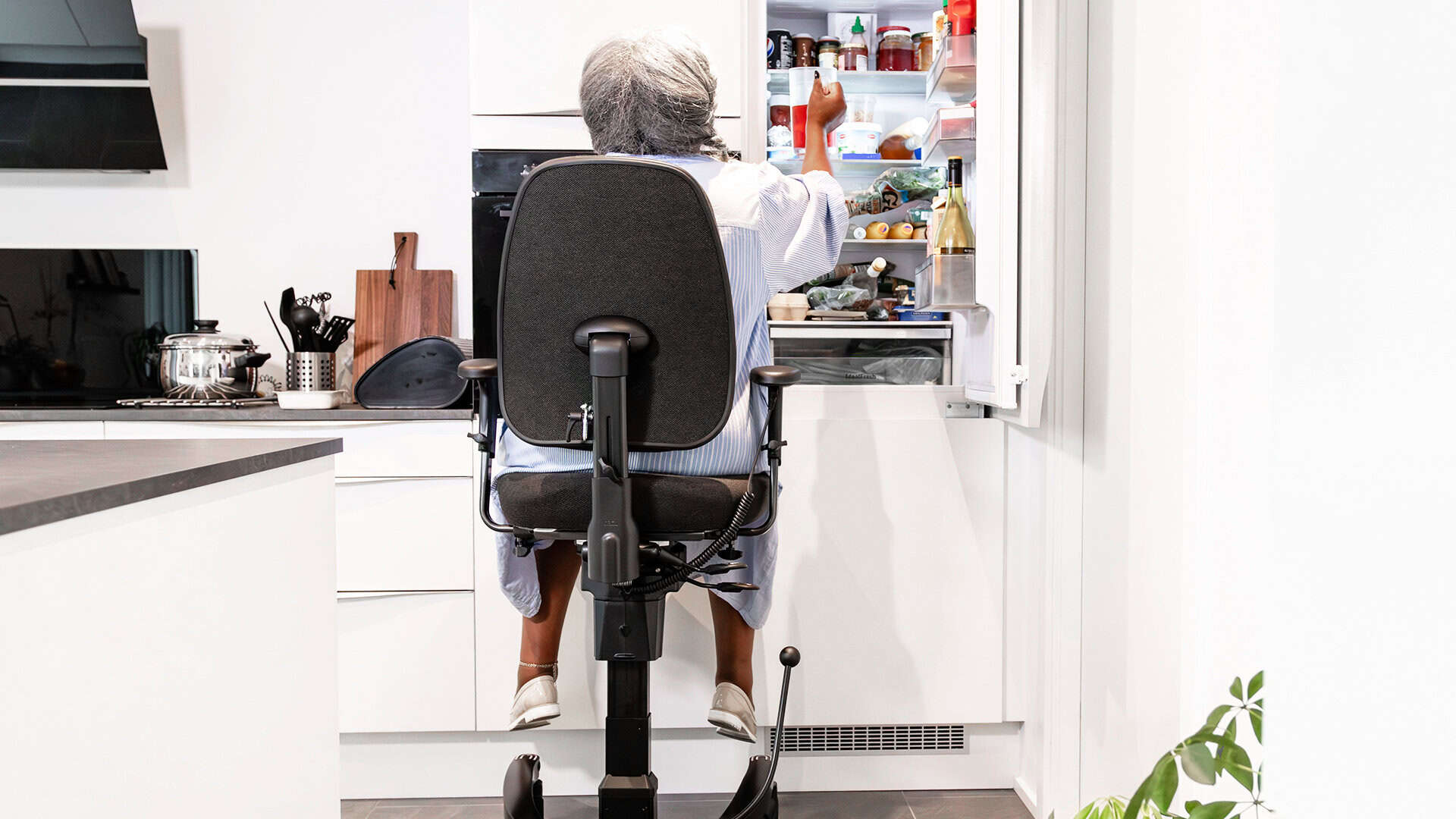
While the transition to a memory care facility can be beneficial, many families seek ways to maintain their loved ones’ independence at home. The VELA Independence Chair is a medically approved mobility device aiding this transition by facilitating safe movement in daily activities. Its design includes features like a central brake for security and electric height adjustability to ensure convenient transfers, supporting seniors in activities such as cooking and dressing. Utilizing the mobility solutions for seniors can significantly impact maintaining a person’s autonomy and comfort at home.
The VELA Independence Chair offers a practical option among various supportive solutions, empowering seniors to live with dignity and reducing the necessity for relocation into residential care prematurely. Today’s assistive technologies available for the home—such as AI-connected mobility aids, wearable health sensors, and integrated digital health support—further enhance independence by seamlessly connecting users with caregivers and health teams. Ergonomic design and inclusive technology have become central, ensuring devices are comfortable and tailored to the individual’s needs as they change with time. By bolstering both mobility and independence, these innovations can enhance quality of life at home, aligning with the aspirations of those preferring to age in place.
Innocaption, 2025; First Aid For The Blind, 2025