

Updated February 2026: We have updated the article to include new details from 2026 Kaiser Permanente Medicare Advantage plan documents. The article now confirms no coverage for assisted living in 2026 but adds updated information about expanded home-based alternatives, including 100% coverage for home health care, skilled nursing (up to 100 days), physical and occupational therapy, discounted non-medical in-home support partnerships, hearing aid allowances, and transportation benefits.
Updated October 2025: We have updated the article with recent findings on smart assistive devices, ergonomic design innovations, and regulatory changes encouraging the integration of advanced technologies in long-term senior care. The article now reflects new expert opinions and user feedback on the importance of personalized, user-centered solutions for mobility and independence, while maintaining up-to-date information regarding Kaiser Permanente’s coverage and alternatives.
Navigating healthcare coverage: Does Kaiser pay for assisted living?
Navigating healthcare coverage for assisted living is a common concern for families asking, “does Kaiser pay for assisted living?” For seniors who depend on such coverage, understanding what’s available is crucial for informed decision-making. As of February 2026, Kaiser Permanente’s plans explicitly exclude coverage for assisted living services. According to Senior Living, this exclusion is primarily because Medicare, which significantly influences Kaiser’s plan structures, does not cover long-term residential care. In this comprehensive guide, we explore Kaiser’s coverage limitations, expanded home health care alternatives in 2026, and how to finance assisted living.
Kaiser Permanente 2026 Senior Advantage Summary,
UAW 2026 Summary of Benefits – Kaiser Permanente.
Understanding Kaiser’s coverage limitations
Kaiser Permanente’s healthcare plans do not extend to assisted living facilities. This limitation is in line with Medicare guidelines, which many of Kaiser’s plans follow. Medicare excludes long-term residential care, categorizing assisted living as non-medical care focusing on daily living activities rather than medical treatment. Consequently, Medicare and Kaiser’s plans exclude such coverage, leading to difficult choices for families whose loved ones require assisted living. Recent updates confirm that most private insurers, including Kaiser Permanente, still do not cover the cost of assisted living or most non-medical assistive devices despite ongoing advances in assistive technology and regulatory encouragement for technology adoption in care settings.
HHS.gov,
Kaiser Permanente 2026 Senior Advantage Summary,
2026 Kaiser Permanente Medicare Advantage Summary.
Real-life scenario: Consider Joan, a senior enrolled in a Kaiser plan who needs assistance with daily living activities and wishes to transition to an assisted living facility. Despite her needs, Kaiser’s plan doesn’t cover these services, pushing her family to search for other funding means.
Exploring alternative care options covered by Kaiser
While Kaiser doesn’t cover assisted living, their 2026 Medicare Advantage plans offer several alternatives and home-based solutions that support seniors—especially those with reduced mobility—who wish to remain in their homes. The most up-to-date benefits include:
- Home health care: 100% coverage for medically necessary skilled nursing, physical, occupational, and speech therapy, as well as personal care assistance by home health aides, for those needing clinical help but not facility placement.
Kaiser Permanente 2026 Senior Advantage Summary,
2026 Kaiser Permanente Medicare Advantage Summary. - Skilled nursing facility care: Coverage for up to 100 days per benefit period for rehabilitation in skilled nursing facilities, with a focus on short-term, post-acute needs.
2026 Kaiser Permanente Summary of Benefits (NW). - Care at Home and non-medical support: Partnerships with companies like CareLinx and Comfort Keepers offer discounts for personal care, homemaker, and companionship services not usually covered by insurance.
UAW 2026 Summary of Benefits – Kaiser Permanente,
2026 Kaiser Permanente Medicare Advantage Summary. - Hearing aid allowance: $3,000–$4,000 allowed per ear every 24–36 months for hearing aids, depending on plan and region.
Kaiser Permanente 2026 Senior Advantage Summary,
2026 Kaiser Permanente Summary of Benefits (NW),
Essential Key WA 2026 Kaiser Summary. - Transportation benefits: Up to 24 covered rides per year to and from medical appointments.
Kaiser Permanente 2026 Senior Advantage Summary.
These alternatives allow older adults to delay or avoid moving into assisted living by receiving care and support at home through expanded options offered by Kaiser in 2026.
Hospice care
Kaiser Permanente provides comprehensive hospice care for eligible members, emphasizing palliative care for terminally ill patients. Eligibility requires a prognosis of six months or less, confirmed by a physician. Kaiser’s hospice coverage includes medical, emotional, and social support, thereby offering holistic care. More details can be found on Healthy Kaiser Permanente.
Home health care
Kaiser’s Senior Advantage plan covers several in-home care services, catering to caregiving needs without necessitating relocation. Covered services include:
- Skilled Nursing: Professional nursing care at home.
- Rehabilitation Services: Including physical, occupational, and speech therapy.
- Home Health Aide Services: Providing personal care support.
These services support members who prefer maintaining their independence within their homes. In conjunction with these services, advancements in technology and 2026 plan enhancements—like discounted contracted personal care—continue to support safe and independent living for seniors who are not yet ready for assisted living.
Kaiser Permanente 2026 Senior Advantage Summary.
Care at Home program
Kaiser’s Care at Home program offers a solution for individuals needing acute care but preferring home settings. This program provides 24/7 patient care through home visits or virtual consultations, mimicking hospital-level care. The integration of advanced technologies remains a priority, and partnerships introduced in 2026 increase access to discounted non-medical personal assistance at home.
Healthy Kaiser Permanente,
Essential Key WA 2026 Kaiser Summary.
Financing assisted living without Kaiser coverage
Since Kaiser doesn’t cover assisted living, considering other financing strategies is essential:
Long-term care insurance
Though not available through Kaiser, separate long-term care insurance can help manage assisted living costs, easing financial burdens.
Medicaid waiver programs
For those who meet income and asset requirements, Medicaid waiver programs offer financial assistance for assisted living expenses. Coverage specifics vary by state and can significantly alleviate costs. See more from Caring.
Other payment options
Families might explore financial options like reverse mortgages, selling life insurance policies, or leveraging veterans’ benefits for eligible individuals. Each option assists in securing necessary living arrangements.
Enhancing independence in assisted living with mobility solutions
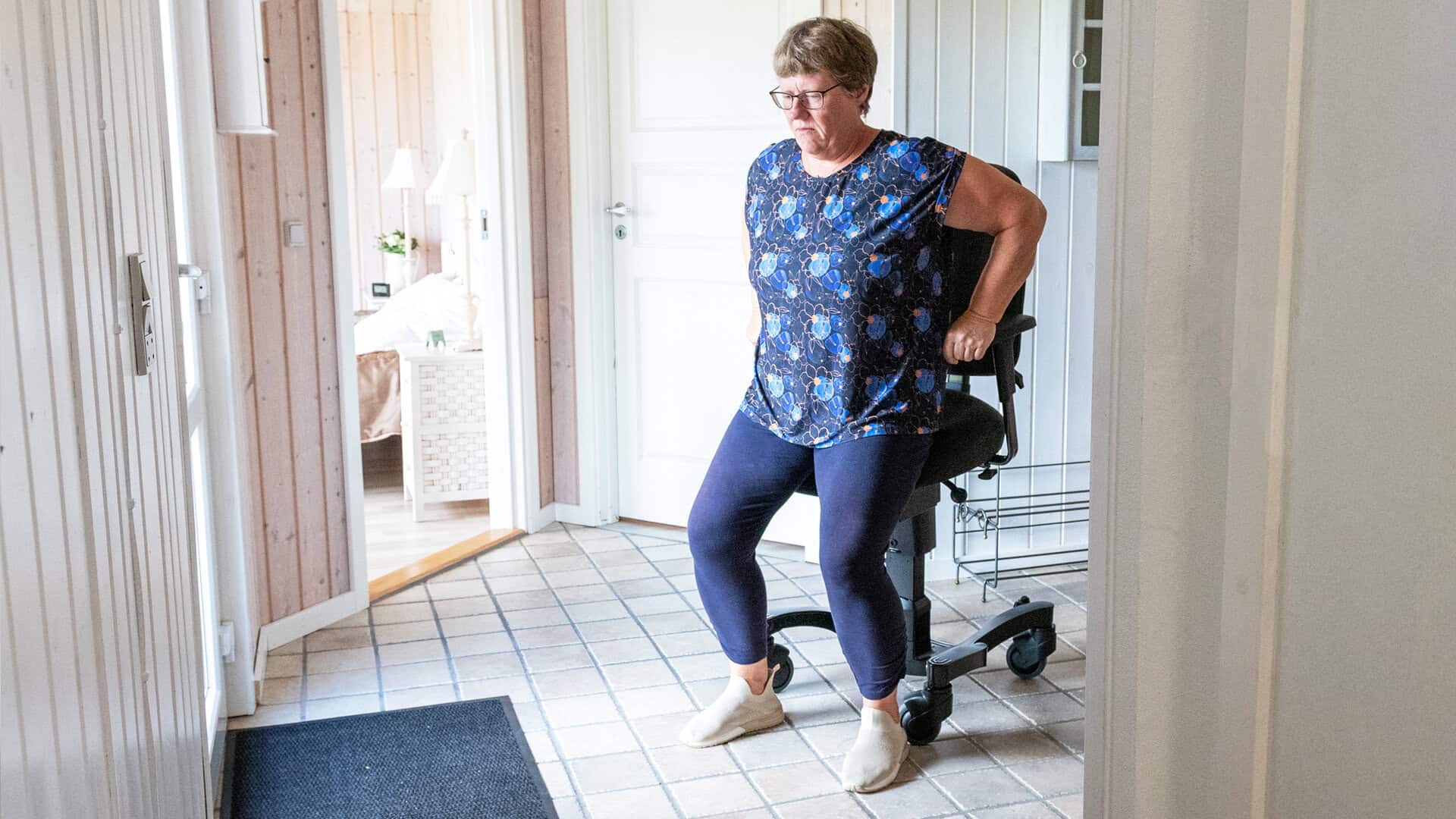
While financial solutions are crucial, ensuring independence and safety in assisted living is vital. As discussed, the challenges of nursing homes often include restrictions on personal freedom and the necessity for extensive caregiving. However, solutions like the VELA Independence Chair provide an alternative for seniors wishing to maintain autonomy in their own homes. This medically approved mobility chair is designed to offer enhanced safety and facilitate freedom of movement while seated, enabling individuals to perform daily activities, such as cooking, dressing, or transferring, with ease. By reducing the caregiving burden, the VELA Chair supports aging individuals in living independently for longer.
Innovations in assistive technology emphasize user-centered, ergonomic design for comfort and adaptability. Features such as smart sensors, modular components, and greater customizability are now common in modern assistive equipment. Experts recommend prioritizing devices tailored to individual needs and support ongoing training for both users and caregivers. User feedback highlights overall satisfaction with advanced mobility solutions but also points to cost and accessibility as continuing challenges. Harvard.edu, Accessibility and Rehabilitation Research Centers, Healthline.com, WHO.int.
Navigating senior care choices with Kaiser: Key takeaways
Although Kaiser doesn’t cover assisted living, their 2026 Medicare Advantage plans provide expanded alternative senior care options, such as in-home care, skilled nursing, and hospice. By understanding Kaiser’s offerings and exploring financial pathways, families can make informed decisions suited to their circumstances. Developments in regulations encourage long-term care facilities to adopt technology that enhances resident safety, quality of life, and independence. For more details on available options, consider Healthy Kaiser’s recommendations, MedlinePlus.gov.
Ultimately, it’s important for families to assess Kaiser’s offerings along with personal and financial circumstances. Confirm details directly with Kaiser and consult financial advisors to devise comprehensive, long-term care strategies.
Supporting aging in place: A practical option
For many seniors, remaining at home and delaying the move to assisted living or a nursing home is a desirable goal. In this regard, mobility solutions such as the VELA Independence Chair offer practical support. This chair is equipped with features like a central brake for improved safety and electric height adjustability, which make transfers and daily tasks easier and safer. With smooth movement while seated, seniors can conserve energy and maintain their dignity and freedom, reducing the physical demands placed on caregivers. By integrating such smart seating solutions—and benefitting from recent ergonomic and technological innovations—the need for nursing home care can be delayed, enhancing the quality of day-to-day life for older adults. While VELA is not the only available solution, it is a proven and practical choice for supporting independence. For more information on mobility chairs and their benefits, explore Mobility Chairs for Enhanced Independence, WHO.int.