

Updated February 2026: We have updated the article with the latest 2026 developments, including smart technology integration (AI monitoring and robotics for mobility and health), trends in ergonomic and wheelchair-accessible furniture, expanded memory care offerings, updated cost and occupancy data for Detroit, and proactive wellness features such as intergenerational spaces and holistic amenities. These updates reflect new research on Detroit’s assisted living landscape, highlighting rising pricing, the need for more affordable units, and best-practice facility design for independence and safety.
Updated October 2025: We have updated the article to reflect the latest developments in Detroit’s assisted living landscape, including the opening of Our House is Home, a new community specializing in rehabilitation for women undergoing cancer treatment, and increased focus on emergency preparedness and fire safety protocols following the recent American House Southgate fire. The importance of condition-specific assisted living, robust safety measures, and inclusive design for residents with mobility impairments are now emphasized.
Discovering the Best Assisted Living in Detroit: A Comprehensive Guide
As Detroit’s senior population continues to climb, the demand for quality assisted living facilities has never been more pronounced. With an impressive 8.6% rise in the 65-and-older demographic from 2020 to 2023, families are urgently seeking the perfect blend of care, independence, and community for their loved ones. This guide delves into some of the best options for assisted living in Detroit to ensure you make an informed decision tailored to your family’s needs.
Top Assisted Living Communities in Detroit
Finding the right community can profoundly impact the quality of life for seniors. According to Senior Living, among the top choices, Passion and Caring Home for the Elderly stands out with its person-centered approach, focusing on mental, emotional, physical, spiritual, and social wellness. This highly-rated community is well-regarded for exceptional staff who provide compassionate care and foster an engaging environment. According to testimonials from A Place for Mom, families have expressed high satisfaction with personalized care plans and a variety of social activities tailored to residents’ interests.
Another notable community is The Vernon Center, lauded for its robust security measures. Families appreciate its gated design and 24/7 staff presence, ensuring peace of mind and safety for residents. A resident’s family shared, “The ability to contact someone around the clock and the security of a gated environment have been critical factors in our decision.” Assisted Living Magazine.
Recently, Detroit has seen the introduction of facilities tailored to specific health conditions, marking a shift towards personalized care environments. The October 2025 opening of Our House is Home has expanded options by offering an assisted living rehab community focused exclusively on women undergoing cancer treatment. This facility emphasizes specialized rehabilitation and supportive services adapted to the unique medical and emotional needs of its residents, reflecting a growing trend toward condition-specific assisted living in the region. ClickOnDetroit News.
Detroit is home to 79 varied assisted living communities, offering diverse services and pricing to cater to different budgets and care needs. From Rivertown Assisted Living to Jewels Home Health Care Services, specializing in dementia and Alzheimer’s care, there is a community suited for every requirement Seniorly. Recent research also highlights that Detroit features 74 affordable senior properties, but the City of Detroit reports an ongoing need for an additional 9,047 affordable senior units to meet growing demand, especially as more Detroiters seek to age in place or transition from independent living. City of Detroit Senior Housing Report (June 2025).
Understanding Costs and Options in Assisted Living
The average cost of assisted living in Detroit has risen to approximately $5,900–$6,000 per month in Metro Detroit as of early 2026, according to senior housing sector research. This reflects a significant increase—about 20% since 2023–2024—due to inflation, labor shortages, and rising demand. Occupancy rates in Detroit-area assisted living communities now range from 79%–86%, with demand outpacing the slow growth in new facilities NIC MAP/PwC Senior Housing Trends (2026 Outlook), Plante Moran Senior Living Market Snapshot, City of Detroit Senior Housing Report (June 2025). This monthly fee generally includes housing, daily meals, personal care, housekeeping, social activities, and basic health monitoring. However, prices can vary significantly based on the level of care required, room type, and additional services. It’s crucial for families to carefully evaluate these factors when budgeting for assisted living.
Considering the variety and breadth of options available, families often find a suitable match within their financial means. A recent case study highlights a family’s successful search for an affordable community that aligns with their budget and fulfills specific care needs Senior Living Magazine.
Assisted Living vs. Nursing Homes: Key Differences
Understanding the distinction between assisted living facilities and nursing homes is vital for choosing the right environment. Assisted living communities promote a home-like setting that emphasizes social interaction and independence. Residents typically have private apartments and enjoy the freedom to engage in community activities while receiving assistance with daily living tasks and intermittent medical care. Hour Detroit provides insights on how these environments foster community and independence.
In contrast, nursing homes offer a more clinical environment, focusing on those who need continuous medical attention. They typically feature shared rooms and provide a hospital-like setting with a higher degree of medical care and supervision Axios. Deciding between these two options depends largely on the individual’s healthcare needs and desired level of independence.
Enhancing Independence with Mobility Solutions
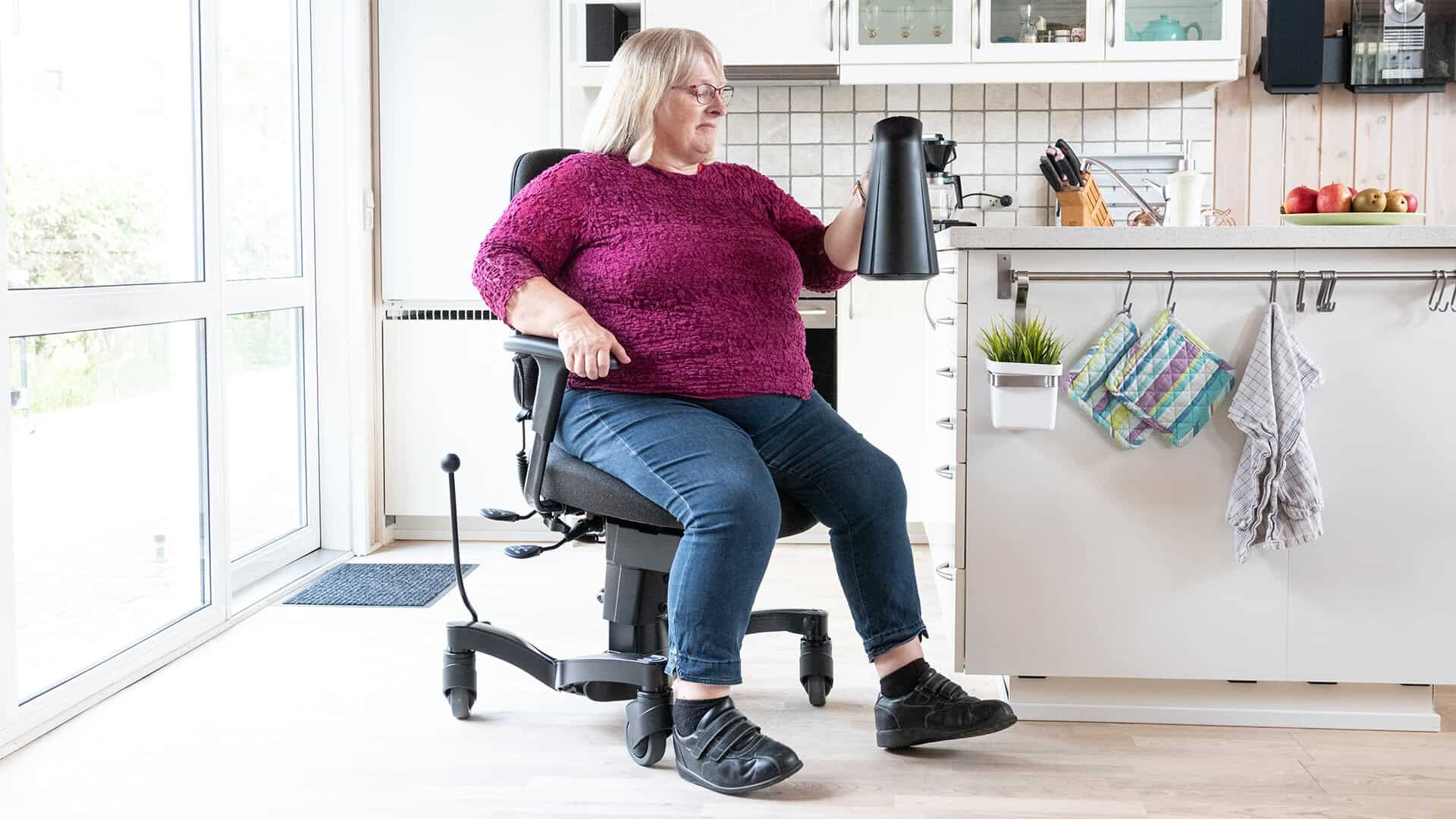
Transitioning from nursing homes to more independent living situations can be challenging due to the varying needs for assistance and safety. Solutions that support older adults in maintaining independence while residing in their own homes are becoming increasingly important. One such solution is the VELA medically approved mobility chair, designed specifically for home use. It enhances safety and provides the freedom to move while seated, supporting a range of daily activities such as cooking, dressing, and transferring. Notably, the VELA chair also helps reduce the burden on informal caregivers by providing essential support.
Emerging Trends: Smart Technology, Ergonomics, and Wellness
Leading-edge assisted living communities in Detroit are adopting smart technology and design-driven solutions to foster proactive care, greater independence, and resident safety. Many facilities now feature integrated AI-based health monitoring and robotic assistive devices, which streamline mobility, monitor health metrics, and notify caregivers of falls or wellness changes. These innovations support preventative care, reduce staff workload, and allow for more responsive support for residents Gensler 2026 Senior Living Design Forecast, NIC MAP/PwC Senior Housing Trends (2026 Outlook).
Alongside these smart technologies, there is a notable trend toward ergonomic, wheelchair-accessible furniture that eases sit-to-stand transitions and enhances dining comfort for residents with reduced mobility. New developments increasingly include adjustable-height seating and modular designs for both common and private spaces, prioritizing accessibility for a wide range of physical abilities Gensler 2026 Senior Living Design Forecast.
Additionally, memory care communities in Detroit increasingly emphasize individualized daily routines, sensory programming, and therapeutic activities such as music therapy. Wellness offerings have expanded, with many facilities adding intergenerational centers, walking trails, and social spaces for resident-led programming, supporting holistic well-being and social engagement. New construction and renovations often feature larger units—38% of new supply in 2026—and more inclusive shared environments to better support residents with high-acuity care needs and enable aging in place NIC MAP/PwC Senior Housing Trends (2026 Outlook), City of Detroit Senior Housing Report (June 2025).
Crisis Preparedness and Fire Safety in Assisted Living
Recent events, such as the large fire in October 2025 at American House Southgate, have highlighted the critical importance of robust emergency preparedness in assisted living facilities. All residents were safely evacuated, including individuals with mobility impairments who required specialized assistive support and coordinated responses. This incident underscores the ongoing need for advanced fire safety systems, clear evacuation protocols, and inclusive design to ensure the well-being of seniors, especially those with disabilities. Facilities across Detroit are reinforcing fire safety infrastructure and reviewing evacuation practices to address evolving risks and enhance protection for residents Free Press, CBS News Detroit, Detroit News.
Finding Your Ideal Detroit Assisted Living Community
Ultimately, choosing the right assisted living community requires careful consideration of both current and potential future needs. An ideal facility offers a harmonious balance of independence and care within a supportive community setting, essentially becoming a new home that provides comfort and peace of mind.
Families are encouraged to tour multiple facilities, utilize free assessment tools to determine specific care needs, and involve seniors in the decision-making process whenever possible Assisted Living Locators. By doing so, they ensure a smoother transition and a positive experience for their loved ones. The growing senior population in Detroit provides a wealth of options for those seeking quality assisted living solutions. With thorough research and thoughtful planning, families can find the perfect community that meets both care requirements and lifestyle preferences, ensuring seniors can enjoy their golden years in comfort and security.
Staying Independent at Home with Support
VELA chairs represent a practical way for seniors to remain independent longer at home by addressing common challenges such as safety and ease of movement. Key features such as a central brake enhance safety, while electric height adjustability facilitates easier transfers and activities. This can help delay the need for a nursing home, allowing seniors to age in place with dignity and freedom. By supporting daily tasks like cooking, cleaning, and relaxing, VELA chairs help conserve energy and maintain a high quality of life. Such mobility solutions are not the only answer, but they offer a proven and practical option for reducing caregiver burden and enhancing everyday living. For more detailed insights on how mobility chairs can enhance independence in assisted living settings, explore Mobility Solutions for Assisted Living and strategies for Fall Prevention for Seniors.