

Updated February 2026: We have updated the article with new regulations impacting Florida assisted living facilities, including the 2026 requirement for a memory care services (MCS) specialty license for facilities serving residents with Alzheimer’s or related dementias, updated Medicaid eligibility criteria with increased income, asset, and home equity limits, and guidance on aging-in-place options for seniors. Additional authoritative resources have been included.
Crucial Insights into Form 1823 for Assisted Living in Florida
Navigating the complexities of assisted living can be overwhelming, especially when documentation such as the “1823 form assisted living” is required. In the state of Florida, this form is a key part of the admissions process for all prospective assisted living residents. As mandated by the Florida Agency for Health Care Administration (AHCA), Form 1823 ensures comprehensive health assessments, providing protection for residents and facilities alike.
Understanding Form 1823’s Role in Assisted Living
Form 1823 serves a crucial function by determining medical suitability and tailoring care needs in Florida’s assisted living environments. It evaluates an array of vital factors, from medical history to cognitive status. For instance, an elderly woman named Mrs. Johnson, previously living alone, began to require additional support. Her family used Form 1823 to accurately assess her cognitive and physical requirements, facilitating her smooth transition into assisted living. According to Sonata Senior Living, this thorough evaluation is indispensable, acting as both a guideline and a formal requisite, thereby instilling confidence in families throughout this transitional phase.
Legal Requirements and Completion of Form 1823
The legal complexities surrounding the completion of Form 1823 are vital to ensuring a smooth transition into assisted living. Florida law requires that this form be completed within 60 days before or 30 days after admission. Qualified professionals, such as licensed physicians and advanced practice registered nurses, must conduct this face-to-face assessment. This process is critical for obtaining a personalized and current health profile. Mr. Thompson’s family, for example, adhered to these timelines, which contributed to a more seamless admission process, as documented by the Florida Agency for Health Care Administration. Understanding these requirements and acting promptly can help avoid delays, ensuring timely access to necessary care services.
Compliance Updates: Memory Care Specialty Requirements in 2026
Starting in 2026, new legislation requires any Florida assisted living facility (ALF) serving residents with Alzheimer’s disease or related dementias—or advertising such services—to obtain a “memory care services” (MCS) specialty license. The Florida Agency for Health Care Administration (AHCA) will establish minimum standards by October 1, 2026, including regulations for facility operation, staffing, risk management, and advertising of memory care. Existing residents may remain in their communities with updated agreements and proper recordkeeping, supporting continuity of care alongside these new regulatory requirements.
- Facilities must have policies for admitting, retaining, and relocating memory care residents, in accordance with their level of care and new state rules.
- Providers who do not obtain the MCS specialty license will face limitations on admitting or advertising services for residents with Alzheimer’s or related dementias.
- Compliance with these updated standards helps protect resident well-being and supports individualized care pathways established using Form 1823.
For more detail on these requirements, see Florida Senate Bill 1295 Analysis, CS/SB 1404 Analysis, and the AHCA Assisted Living Facility Overview.
Using Form 1823 to Plan and Protect Care
The role of Form 1823 extends beyond formality; it helps shape care plans and clarifies the responsibilities of the facility, thereby protecting both residents and their families. For example, when a resident named Mrs. Carter transitioned into an assisted living community, her comprehensive Form 1823 assessment enabled the creation of a tailored care plan. This plan clarified the facility’s responsibilities, effectively preventing future disputes. According to Senior Justice, this document can also serve as a protective measure in legal contexts, reinforcing the standards of care as established upon admission.
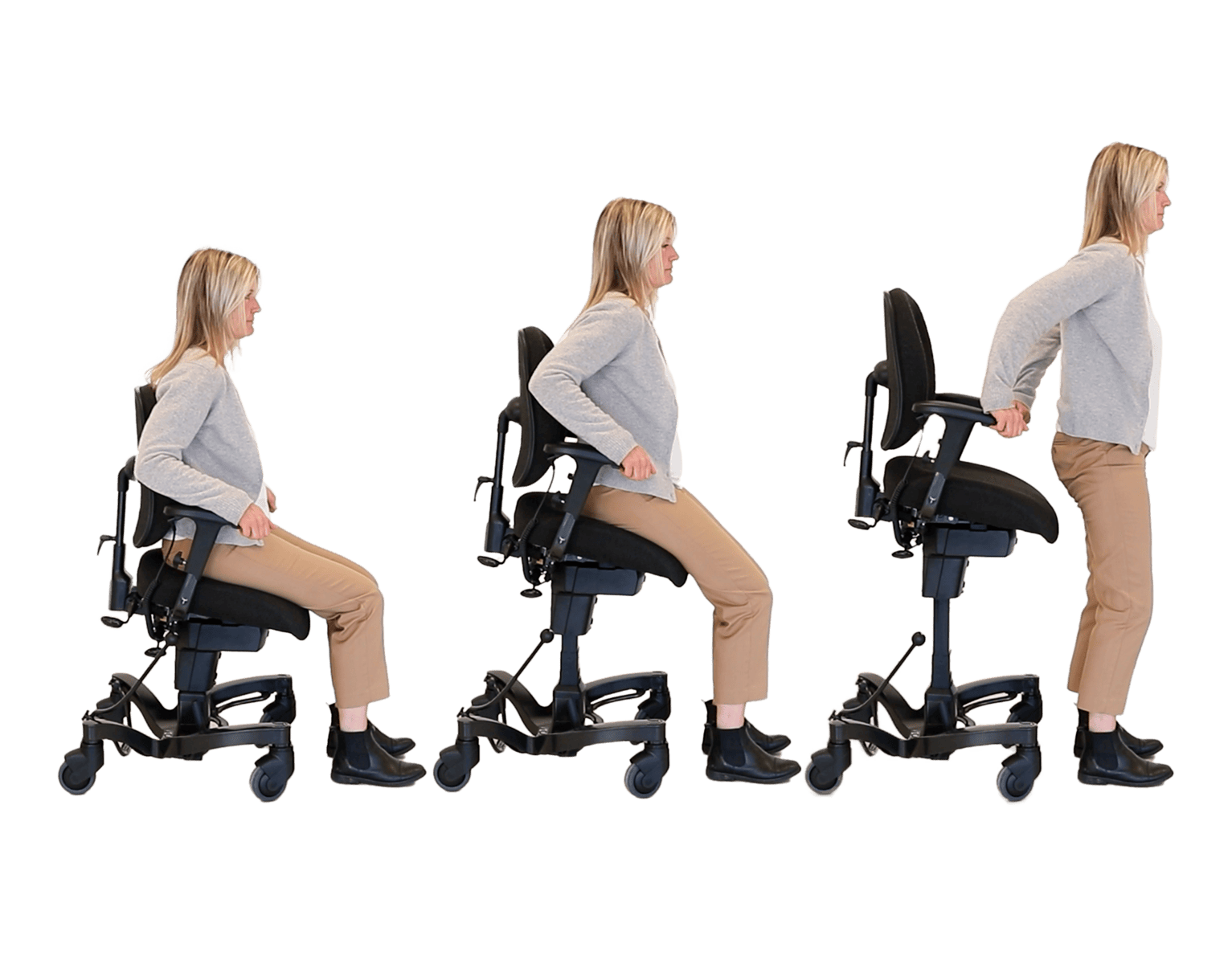
Rather than relying solely on nursing home placements, families now explore alternatives that support independence, prioritizing solutions that allow seniors to age comfortably at home. Tools like the VELA Independence Chair can significantly enhance this experience. The VELA chair is a medically approved mobility chair specially designed for home use, offering improved safety and mobility. It facilitates freedom of movement while seated, supports daily activities such as cooking or dressing, and lessens the burden on informal caregivers by reducing the risk of falls.
Prioritizing Form 1823 in Senior Care
In Florida’s assisted living ecosystem, Form 1823 is essential for ensuring customized, respectful care for seniors. Not only does the form outline a care pathway tailored to individual needs, but it also acts as a legal safeguard for families and facilities alike. Additionally, exploring further senior care options, such as mobility aids and bespoke support plans, can augment the quality of life for residents. For more insights on optimizing senior care planning, refer to authoritative resources such as ALF Boss, which provide comprehensive guidance on integrating all facets of elder care harmoniously. By remaining vigilant and well-informed, families and facilities can pave empowered paths towards healthier, more independent living for seniors in Florida.
Aging in Place and Medicaid Planning in 2026
The 2026 updates to Florida Medicaid eligibility expand financial access for seniors seeking long-term care, including assisted living through waiver programs. The home equity limit for single applicants has increased to $752,000, with monthly income set at $2,982 and countable assets under $2,000 to qualify for nursing home-level care or relevant waivers. Seniors and their families should review these new limits to determine Medicaid eligibility, allowing more individuals to age in place or transition to appropriate assisted living settings while using tools like Form 1823 to document care needs and support Medicaid planning. Sources include Medicaid Planning Assistance and Elder Needs Law.
Supporting Aging in Place: A Practical Option
For those aiming to maintain independence at home, mobility solutions like the VELA Independence Chair offer essential support. Designed to address common challenges such as safety, transfers, and energy conservation, the chair enables seniors to function safely and independently. Its features include a central brake for stability, electric height adjustability, and ergonomic design, assisting with everyday tasks like cooking and moving around the house. This not only delays the need for nursing home care but also upholds dignity and freedom, enhancing life quality for both seniors and their informal caregivers. While VELA chairs are a proven option, they represent just one of the practical solutions available for those committed to aging in place with dignity.