

Updated October 2025: We have updated the article with the latest research and trends for 2025, including advances in smart assistive technology, AI-powered mobility aids, the integration of telehealth, evolving national support policies, and modern ergonomic living solutions in Adelaide’s assisted living sector.
Understanding Adelaide’s Assisted Living Options: A Comprehensive Guide
As Adelaide faces a demographic shift, evidenced by the projected doubling of Australia’s senior population aged 85 and older by 2042, the demand for assisted living options continues to rise. According to Australian Bureau of Statistics, this increase significantly impacts the assisted living market. For those seeking quality and tailored assisted living solutions for their loved ones, understanding the evolving landscape of senior care in Adelaide is crucial.
Adelaide’s Assisted Living Landscape: Navigating Options and Opportunities
The Adelaide assisted living market has seen transformative growth, reflecting broader national trends. Leading providers such as Aveo and Stockland make their mark by offering a diverse range of facilities to cater to various needs and preferences. Whether choosing between a large national provider or a smaller, specialized facility, families must weigh amenities, care levels, and community vibes. This decision-making process is illustrated through a real-life scenario: the Thompson family found that a local facility offered a personalized experience and a strong sense of community, which was irreplaceable for them.
In 2025, there is also a growing focus on compact, lifestyle-rich living spaces designed with ergonomic, inclusive, and sustainable principles. These developments cater to seniors’ changing housing preferences, promoting wellness and encouraging social engagement. For more comprehensive insights into Adelaide’s senior living market, Expert Market Research and Australia Senior Living Industry Analysis 2025 outline relevant trends and demographic data that can help families make informed choices.
Comparing Costs: Adelaide Assisted Living Facilities in 2025
Understanding the financial implications of moving into an assisted living facility is essential. Costs in Adelaide typically range from $4,500 to $5,500 monthly, as reported by Consumer Affairs. When planning financially, most residents utilize a combination of personal savings and government subsidies. A case study illustrates a retiree, Mrs. Jacobs, creatively navigating available financial options, including her superannuation and the government’s aged care pension, ensuring her move was financially feasible and sustainable over the long term.
Memory Care Services in Adelaide: Specialized Support for Dementia and Alzheimer’s
Memory care services are indispensable for families grappling with dementia or Alzheimer’s diagnoses. Adelaide facilities offer specialized programs catering to these needs, emphasizing health and personalized care plans. An illustrative case: the Robinson family decided to place their father in a memory care unit well-equipped to manage the complexities of Alzheimer’s care, receiving assurance in quality care standards. According to Retirement Living, facilities in Adelaide are expanding these essential services.
Mobility Solutions for Enhanced Independence
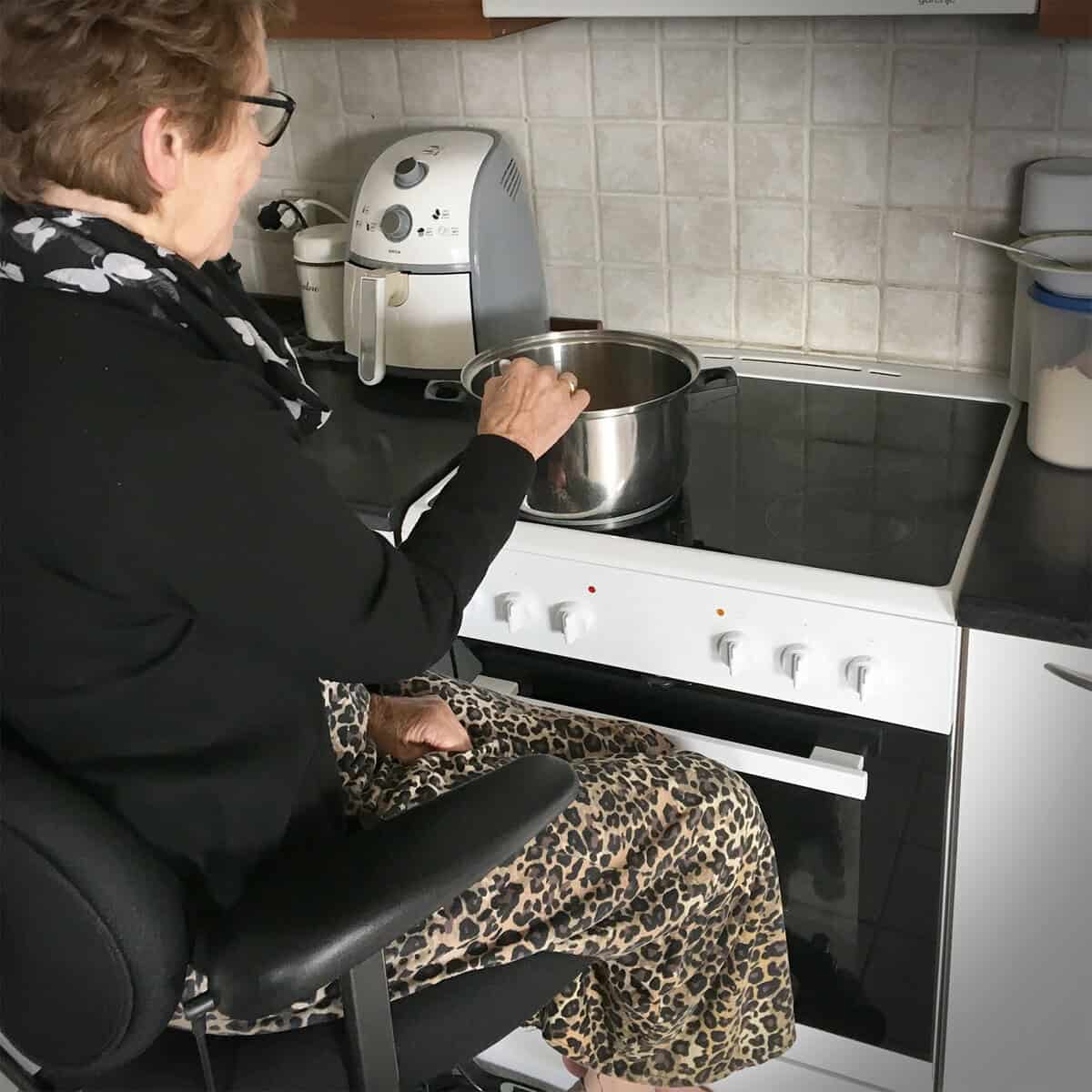
While the challenges of nursing homes often include limited mobility and reduced independence, innovative solutions are enabling seniors to maintain autonomy in the comfort of their own homes. One such solution is the VELA mobility chair, a medically approved device designed to enhance safety and independence. The chair offers freedom of movement while seated, making daily activities like cooking, dressing, and transferring easier and safer. Its design also reduces the caregiving burden, as features such as electric height adjustment and a stable base offer significant support.
Looking ahead to 2025, assistive mobility technology is rapidly evolving. Smart wheelchairs equipped with GPS, collision avoidance systems, health monitoring, voice control, and mobile app connectivity are becoming staples in modern assisted living. These advancements not only boost independence and safety but also allow for remote customization and more adaptive, user-centered care. Emerging AI-driven technologies, such as brain-computer interfaces and adaptive smart glasses, respond dynamically to individual needs, driving more intuitive and personalized support. Innovations in ergonomic, power-assisted devices and user-focused design further foster autonomy for seniors, providing tangible improvements in everyday activities and overall quality of life.
Recent Trends in Assistive Technology for Mobility,
The Latest Trends in Mobility Aid Technology for 2025,
Assistive Technologies for Individuals with Neurological Disability
Navigating Government Support for Adelaide Seniors Seeking Assisted Living
Government support plays a vital role in bridging the affordability gap for many seniors. In 2025, the introduction of national programs like the “Support at Home Program” provides more streamlined funding for all levels of care, including restorative and end-of-life support, allowing for a smoother transition between care types and enabling more seniors to receive palliative and restorative care in familiar surroundings. These policy updates help ensure that a greater number of elderly can access quality living arrangements and access restorative grants more flexibly. Understanding these evolving options is crucial for families and individuals wanting to leverage every available resource for superior care.
Support at Home Program Overview 2025
Technology Integration in Modern Adelaide Assisted Living Communities
The role of technology in enhancing living conditions cannot be overstated. Assisted living facilities in Adelaide are increasingly integrating innovative tools such as telehealth services, resident monitoring systems, and adaptive furniture like VELA chairs. In 2025, telehealth is a cornerstone of modern care delivery, providing timely, efficient medical consultations and continuous health monitoring. These technological advancements—combined with personalized, tech-enabled care models—improve living standards, reduce hospital admissions, and streamline the provision of care.
WHO Fact Sheet on Assistive Technology,
YouTube Video on Top Trends in Assisted Living 2025
Exploring Alternatives to Nursing Homes
Staying independent at home with the right support ensures dignity and comfort for seniors. VELA chairs provide benefits like enhanced safety, energy-saving features, and greater mobility. Designed for domestic use, these chairs allow older adults to manage daily activities confidently while reducing caregiver demands. A central brake, electric height adjustability, and secure movement while seated minimize fall risks and energy expenditure. Living with a VELA chair can mean simple joys like cooking and relaxing in familiar surroundings, contrasting starkly with life without such support, where increased dependence may hasten the need for a nursing home setting. Although VELA isn’t the only option, it proves to be a practical solution that aligns with the values of independence and safety. For those interested in fall prevention and mobility, this resource provides insights into supporting seniors through smart seating choices.
- Australia Senior Living Industry Analysis 2025 & Forecasts 2033
- Support at Home Program Overview 2025
- WHO Fact Sheet on Assistive Technology
- Recent Trends in Assistive Technology for Mobility
- Assistive Technology Outcomes and Benefits, Volume 19
- The Latest Trends in Mobility Aid Technology for 2025
- Assistive Technologies for Individuals with Neurological Disability
- Assisted Living Trends to Watch in 2025
- YouTube Video on Top Trends in Assisted Living 2025