

Updated September 2025: We have updated the article to reflect recent advancements in AI-powered assistive technologies, including smart glasses, brain-controlled prosthetics, autonomous smart wheelchairs, integrated health monitoring, and new regulatory adaptations. The content now emphasizes seamless AI integration, remote health support, and user-centered product design for greater independence and inclusion.
Empowering Seniors with ALP Assisted Living
In the landscape of senior care, the ALP (Assisted Living Program) model provides tailored support for those requiring more medical assistance than standard assisted living can offer, yet not the intense care of a nursing home. This state-licensed framework, particularly prominent in New York, combines personal care, room and board, and therapeutic services, creating a balance between independence and essential care. According to the New York State Department of Health, about 85% of ALP beds in New York cater to low-income, Medicaid-eligible residents, highlighting its vital role in serving a diverse population.
Understanding ALP Assisted Living
ALP assisted living caters to individuals eligible for nursing home placement but is offered in a less intensive setting. Core services include personal care, daily meals, therapy options, and more. Unlike typical assisted living, ALP is tailored for significant medical needs while supporting independence. Institutions like DePaul Senior Living exemplify this approach by adapting care plans to residents’ needs, incorporating healthcare professionals’ and families’ input. This personalized attention ensures seniors live comfortably with appropriate medical support.
Recent advances have further enhanced support for ALP residents by introducing cutting-edge technologies designed to promote greater independence. AI-powered smart glasses, such as Meta Ray-Ban Live AI and VisionX, now offer real-time scene interpretation and contextual assistance without manual input, helping individuals with vision or cognitive challenges better navigate their environments[1][3][6]. Likewise, brain-computer interface (BCI) controlled prosthetics and smart wheelchairs with autonomous navigation are enabling more natural mobility and self-directed movement for users[1][2]. These integrated, intuitive solutions are becoming a key part of ALP environments, enhancing accessibility and the quality of daily living.
Eligibility Criteria for ALP Assisted Living
Eligibility for ALP largely depends on age and medical requirements. While primarily serving seniors aged 65 and older, the program also accommodates younger adults with qualifying disabilities. According to New York Health Access, potential residents must undergo thorough assessments to ensure they meet the criteria indicative of requiring nursing home care but suitable for ALP’s moderate care level. For instance, a 70-year-old with cognitive decline and mobility issues can benefit greatly from ALP by receiving support tailored to sustain independence.
Services and Supports in ALP
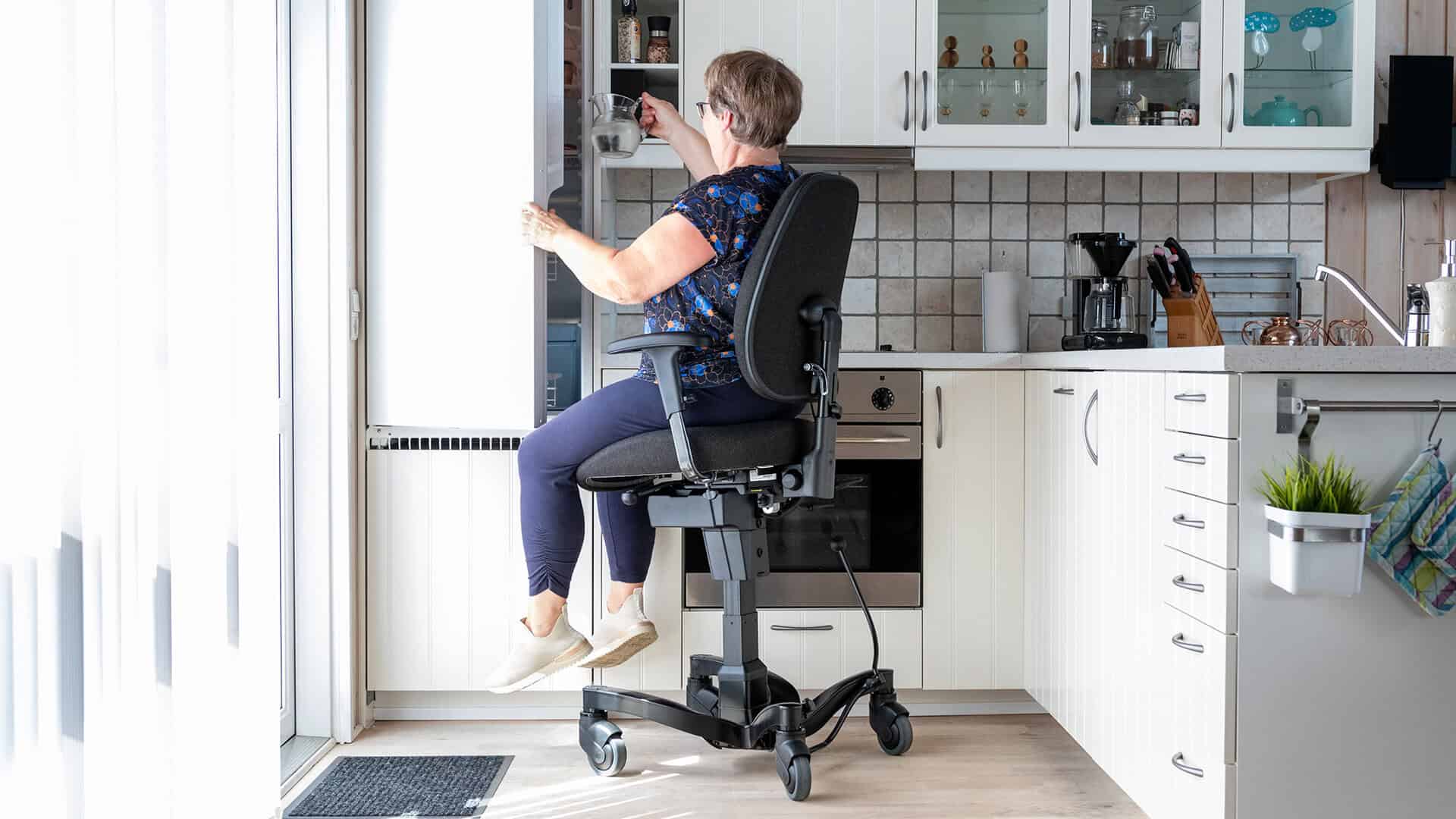
ALP services cover essential daily living needs like meals and medication management while emphasizing therapies and social programs crucial for mental and physical well-being. Adaptive equipment like VELA chairs plays a significant role in promoting safety and participation in daily activities. These tools are essential for individuals with mobility challenges, ensuring safe and practical engagement without compromising their well-being.
Building on these established supports, ALP providers are increasingly adopting IoT-connected devices for in-home health monitoring, fall detection, and medication management as part of a broader aging-in-place strategy[2][3]. Such technologies promote a safer, more autonomous lifestyle, with real-time data transmission that helps caregivers respond efficiently to residents’ needs. Seamless AI assistants are also replacing many standalone apps, providing residents and caregivers with easier, hands-free access to information and controls for daily tasks[3]. User-centered product development practices have advanced, ensuring that devices are designed and refined with ongoing feedback from seniors and individuals with disabilities to maximize usability and effectiveness[7].
Financial Considerations in ALP Assisted Living
The financial landscape of ALP involves several avenues, from Medicaid and SSI to private payments. According to Medicaid Planning Assistance, Medicaid recipients often receive SSI to supplement room and board costs, showing the program’s flexibility in accommodating varying financial situations. Private payers may find monthly rates affordable compared to nursing homes, although demand can lead to lengthy waitlists due to ALP’s popularity.
Reflecting recent events, regulatory bodies have updated policies to ensure timely access to these advanced assistive devices, even amid disruptions such as those experienced during the COVID-19 pandemic[2]. This ongoing policy adaptation helps maintain consistent support and equitable access for ALP residents, supporting both traditional and technology-based care solutions.
ALP assisted living offers a hybrid solution for seniors who need supportive care but seek to maintain independence. By providing a spectrum of healthcare and personal services, ALP addresses physical health needs while ensuring a rich quality of life through social and therapeutic programs. As the model of senior care continues to evolve, ALP represents an essential step in combining comprehensive medical oversight with dignified independent living, tailored to each individual’s needs. According to the NYS Office of Temporary and Disability Assistance, the evolution of senior care should continually strive to offer comprehensive support while respecting individual autonomy. Today, that evolution is driven by the integration of smart technology, AI-enabled devices, and feedback-focused design—expanding both the possibilities and inclusivity of assisted living[1][3][5][7].
Exploring Alternatives to Nursing Homes
For seniors wishing to stay at home, mobility solutions like the VELA Chairs can provide significant benefits. These chairs support independence by allowing users to move easily and safely in their environments, thus reducing the chances of falls. Key features such as a central brake for enhanced safety, electric height adjustability, and ease of movement while seated allow individuals to perform activities such as cooking or cleaning with less physical strain. Using a VELA Chair can delay the need for nursing home care by keeping seniors more independent and engaged, and by giving caregivers a much-needed respite. While VELA is one effective option, various assistive devices can facilitate aging in place with dignity and safety, fostering a more fulfilling life for seniors. Innovations like AI-powered smart glasses, autonomous wheelchairs, and IoT-enabled fall detection now further expand these options for aging-in-place, supporting a wider range of needs within home settings[1][2][3][6]. More about this can be found through Mobility Chairs for Enhanced Independence and Mobility Chairs for Seniors.