

Updated February 2026: We have updated the article to reflect Evergreen Management’s transition as the new operator of Arden Courts communities as of August 2025, highlighting operational continuity, enhanced staff development, consistent high-quality dementia care, recent resident satisfaction data, and reaffirmation of innovative design features under new leadership.
Updated October 2025: We have updated the article to reflect recent advances in assistive technology, including the integration of AI-powered smart wheelchairs, wearable rehabilitation robotics, IoT-enabled assistive devices, and new ergonomic product innovations in memory care. The article also now includes information about Evergreen Management’s assumption of operations at Arden Courts, ensuring stability and continuity of specialized dementia care.
Arden Court Assisted Living: A Comprehensive Guide to Specialized Memory Care
As more families search for “Arden Court assisted living,” the emphasis on specialized memory care services becomes crucial. Arden Courts stands as a beacon of support for elderly individuals experiencing cognitive decline, particularly those with dementia. Known for providing secure environments across a network of communities, Arden Courts focuses on the unique needs of individuals with dementia. According to the U.S. Centers for Disease Control and Prevention, an estimated 6.7 million Americans age 65 and older are living with Alzheimer’s dementia in 2023, underscoring the increasing necessity for specialized memory care facilities.
What Is Arden Court Assisted Living?
Arden Courts is renowned for its focus on memory care services tailored towards adults aged 65 and older. This focus primarily serves individuals with Alzheimer’s disease and other forms of dementia. With a national presence, Arden Courts is highly regarded for delivering quality care that meets the unique challenges faced by its residents. Key to its success is the secured environment it provides, equipped with specialized staff who are expertly trained in dementia care, as detailed by the National Institute on Aging. Personalized care plans and daily routines at Arden Courts aim to enhance the quality of life and ensure the well-being of each resident.
In August 2025, Evergreen Management assumed operations of the majority of Arden Courts communities, prioritizing continuity, stability, and the maintenance of high-quality, specialized dementia care. This transition builds on previous momentum with several years of strong operational performance, emphasizing staff retention, ongoing resident engagement, and expanding resources for employee development and care programs. Resident satisfaction remains high, with recent community reviews reporting scores between 9.3 and 9.7 out of 10 as of early 2026. Evergreen Management continues to deliver care in secure and purpose-built environments, maintaining established features such as 12-16 hour nursing, 24-hour supervision, pet-friendly policies, and environmental cues for wayfinding. Senior Housing News, Retirement Living Sourcebook, Arden Courts, Provider Magazine.
Specialized Memory Care: Design & Philosophy
The design and philosophy of memory care at Arden Courts are centered on creating dementia-friendly environments. Layouts are thoughtfully considered to include safety features that mitigate risky behaviors like wandering, which is common among dementia sufferers. The care philosophies employed focus on reducing agitation and promoting resident well-being. According to a study published in the Journal of the American Geriatrics Society, thoughtfully designed environments can significantly decrease agitation and improve daily functioning for residents with dementia. By incorporating themed visual cues and accessible outdoor spaces, Arden Courts provides a therapeutic setting that enhances peace of mind and quality of life for its residents.
Recent advances in assistive technology now support this philosophy by offering residents access to AI-powered smart wheelchairs, wearable rehabilitation robotics, and IoT-enabled devices. These technologies enhance safety, support autonomy, and help staff deliver person-centered care. Ability Montana, Keyway Medical, Connsense Report.
Choosing an Assisted Living Community: What Matters Most?
When selecting an assisted living community like Arden Courts, several factors should be considered, such as the importance of staff training, personalization of care, and safety features. Family involvement and regulatory compliance are also critical when choosing a facility. As advised by Medicare.gov, evaluating the training and availability of staff, alongside the presence of robust safety features, is essential. Case studies reveal that families who have elected Arden Courts for their loved ones often cite the comprehensive care strategies and supportive community environment as decisive factors.
Today, advanced assistive technologies are key considerations. Integration of smart wheelchairs with autonomous navigation, health sensors, and app-based controls support resident independence while reducing caregiver strain. Additionally, wearable rehabilitation robots and IoT-based accessibility tools enable residents to manage their environments safely, fostering increased engagement and autonomy. Equal Accessibility, ATOB Journal.
Cost and Payment Options in Memory Care
Understanding the cost structure and payment options is crucial in planning for memory care services. Typically, costs for memory care at Arden Courts range between $5,000 and $7,500 per month, with variations depending on state, level of care needed, and whether the accommodation is private or shared. Some Arden Courts facilities accept Medicaid, offering broader affordability options. Families often employ financial planning strategies to manage these expenses, ensuring their loved ones receive the necessary care without undue financial strain.
With rapid evolution in assistive technologies and rehabilitation robotics, families should be aware that some insurance frameworks and funding sources can support access to advanced mobility devices and technology upgrades, helping improve overall care outcomes and daily experiences.Ability Montana, Keyway Medical.
Navigating Care Challenges and Solutions
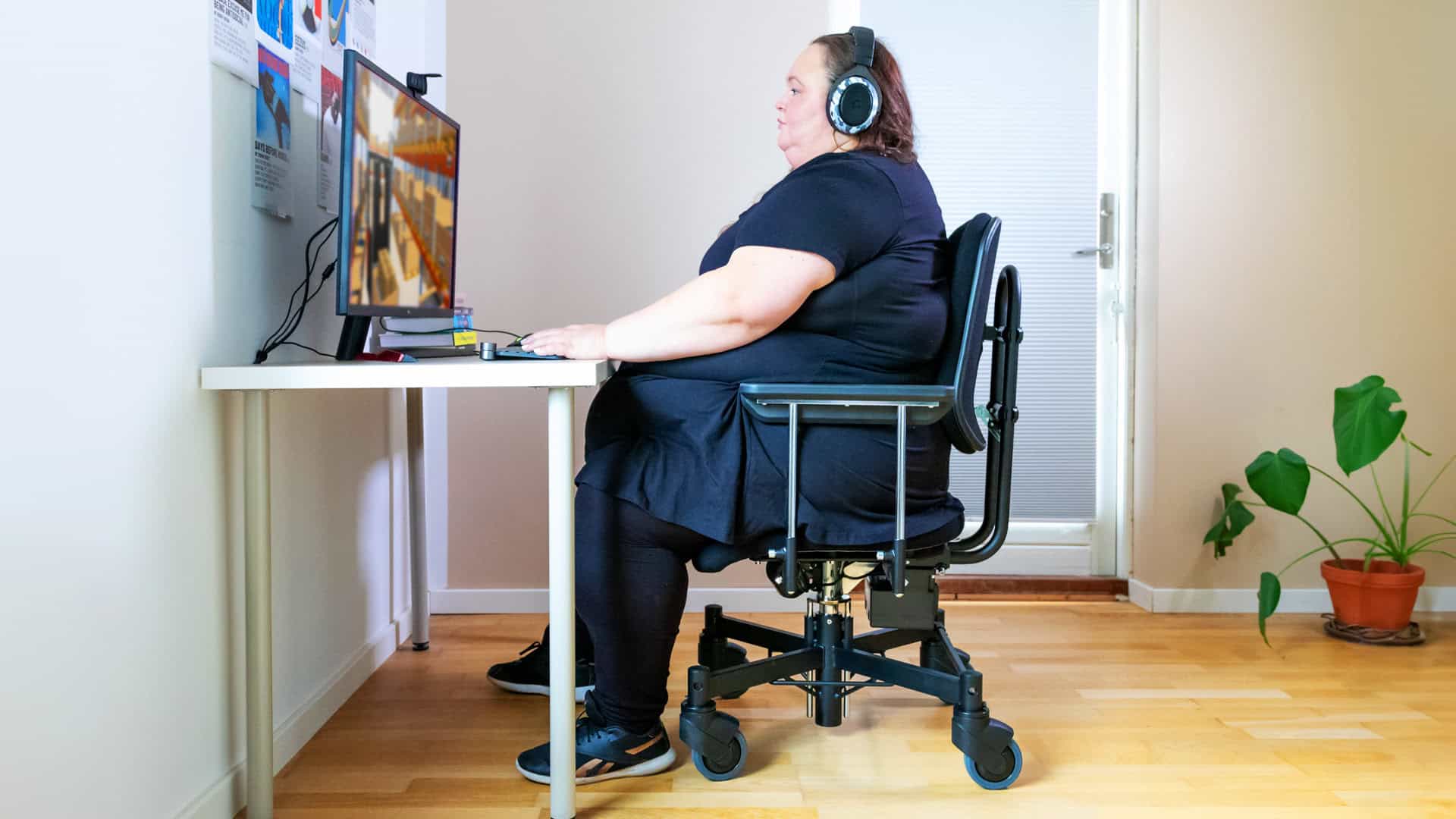
The challenges faced by many in nursing homes often stem from limited mobility and a struggle to perform daily activities independently. Solutions that allow older adults to stay in their homes longer, with greater independence, can significantly enhance their quality of life. The VELA Independence Chair is one such innovation, providing a medically approved mobility chair designed for home use. It offers enhanced safety, freedom of movement while seated, and invaluable support for daily activities like cooking, dressing, or transferring. This solution not only promotes the dignity and autonomy of its users but also alleviates the burden on informal caregivers, making it a sensible addition for those seeking greater independence in their daily lives.
Recent innovations have brought forward additional smart devices, including wheelchairs that can be equipped with adaptive, AI-based safety and navigation systems, and wearable robotics supporting gait rehabilitation. These options enable individualized solutions for mobility, comfort, and routine self-care, aligning with modern evidence-based rehabilitation and assistive care models. Connsense Report, Ability Montana.
Practical Experience in Dementia Care
A typical scenario at Arden Courts might include tailored morning routines for each resident, using structured schedules to establish familiarity and reduce confusion. For example, residents like Mr. Thompson, an 82-year-old with moderate Alzheimer’s, often begin their day with a familiar breakfast routine that includes favorite foods and calming background music to ease their morning transitions. This routine leads seamlessly into social activities that promote cognitive engagement, like memory games or music therapy, highlighted as effective strategies in dementia care management by experts.
The implementation of smart home assistive technologies—such as voice-activated lighting, environmental controls, automated safety monitoring, and real-time accessibility aids—can further support these routines. These tools enhance safety, enable greater resident choice, and offer valuable support to both residents and staff. Equal Accessibility, ATOB Journal.
Providing Comprehensive Memory Care
Arden Court assisted living is dedicated to providing specialized memory care services. Through a combination of secure environments, well-trained staff, thoughtful care philosophies, and integration of advanced assistive technologies, Arden Courts effectively supports the needs of individuals with dementia. The national presence of this community provides families with peace of mind by ensuring their loved ones receive high-quality, personalized care under stable and innovative management. For more information about evaluating memory care facilities, reference the National Institute on Aging and Medicare.gov for authoritative recommendations. For operational updates, see Senior Housing News, Retirement Living Sourcebook, and Provider Magazine.
By focusing on safety, dignity, and a supportive community environment while embracing technological innovation, Arden Courts establishes itself as a leader in memory care solutions, responding effectively to the growing demand for such crucial services in today’s aging society.
Supporting Aging in Place: A Practical Option
For those preferring to maintain independence at home, solutions like the VELA Chair are transformative. These ergonomic power mobility chairs support aging in place by offering features that enhance safety and ease daily tasks. With a central brake for stability, electric height adjustability for energy savings, and seamless movement while seated, the VELA Chair addresses many challenges older adults face at home. By mitigating the risk of accidents and enabling easier transfers, such as from bed to chair or chair to kitchen counter, this chair can delay the need for nursing home care, granting individuals more control over their lives with dignity and freedom.
In addition to power mobility chairs, wearable rehabilitation robotics—such as AI-powered gait trainers and mobile exoneuromusculoskeletal devices—are now available for home and remote rehabilitation programs. Smart home systems equipped with environmental controls, accessible interfaces, and predictive assistance can further ease day-to-day living for those with mobility or cognitive challenges.Connsense Report, Equal Accessibility While VELA is one practical solution, it’s important to explore various options to find the best fit for each individual’s needs, allowing them to age gracefully and independently within their homes.