

Updated February 2026: We have updated the article to include Arizona’s 2025–2026 regulatory changes for memory care, expanded training mandates under SB 1254, enforcement protocols with new civil penalties, updated Medicaid eligibility, occupancy and zoning developments from SB 1473, and emerging trends in AI-powered assistive technologies for autonomous mobility and safety in assisted living.
Navigating Arizona’s Evolving Assisted Living Landscape
The projected growth of Arizona’s elderly population, expected to triple by 2050, reaching nearly 3 million people, underscores the importance of understanding the state’s assisted living regulations. This demographic shift will create increased demand on assisted living facilities. Consequently, it is crucial for potential residents and their families to stay informed about current and upcoming regulations. According to Vitalyst Health, those over 75 with significant healthcare needs are expected to increase from 7% to 12%, emphasizing the need for comprehensive care solutions.
Understanding Arizona’s current assisted living regulatory framework
The Arizona Department of Health Services (ADHS) regulates assisted living facilities to ensure they meet stringent standards for licensure and operation. Facilities must comply with the Arizona Administrative Code Title 9, Chapter 10, which governs everything from construction to routine operations. Compliance is essential for maintaining standards and ensuring resident safety. Real-world examples highlight the impact of these regulations; facilities undergo regular inspections, and non-compliance can result in penalties or even loss of licensure.
The ADHS offers comprehensive guidance on maintaining compliance, as detailed on their official website. Inspections ensure not only regulatory adherence but also the wellbeing and safety of residents, signifying the importance of rigorous compliance.
Arizona assisted living: new regulations, memory care standards, and oversight in 2025–2026
Substantial regulatory updates took effect on July 1, 2025, fundamentally changing the landscape for Arizona’s assisted living facilities providing memory care.[1] The changes include:
- Mandatory memory care training: All staff and contractors working in memory care must now complete an in-person, eight-hour memory care training. Facility managers are required to complete an additional four hours of training each year. These requirements now reflect new mandates for evidence-based communication, resident dignity, and behavioral management, and are subject to periodic review and revision under SB 1254.[3]
- Certification and documentation: Facilities must operate under a distinct memory care licensure subclass, requiring enhanced documentation, including bi-annual medical certification verifying each resident’s appropriateness for memory care and comprehensive staff training records.[1]
- Facility requirements and safety protocols: Enhanced standards are mandated, including stricter anti-elopement protocols, safeguards for cognitively impaired residents, and monitored access points. Penalties have increased for noncompliance with safety and documentation.[1]
- Enforcement and penalties: The enforcement matrix has been revised, introducing civil penalties up to $1,000 per violation per resident per day, along with expanded monitoring, repeat deficiency tracking, and increased monetary sanctions.[1]
- Ongoing review and collaboration: SB 1254, passed in 2026, requires the NCIA Board, the Department of Health Services, and AHCCCS to collaborate by June 15, 2026, on revising and updating training for direct care staff and managers for all assisted living facilities.[3]
- Occupancy and zoning changes: SB 1473, advanced in February 2026, proposes occupancy caps and a new structure for municipal zoning and variance review related to assisted living homes, impacting the development and size of new and existing facilities statewide.[5] [11]
These finalized updates underscore a stronger regulatory focus on staff competency, resident safety, comprehensive elopement prevention, and higher quality of life for individuals with cognitive impairments. The distinction of memory care as a separate licensure subclass further elevates the standards for specialized dementia care, while the increased enforcement and oversight ensure greater accountability across providers.
Researching and choosing Arizona assisted living providers
Choosing the right assisted living facility involves utilizing state resources like the Arizona Department of Health’s Division of Licensing Services, which provides comprehensive inspection reports and provider searches. Tools such as these ensure families make informed decisions based on facilities’ compliance history and care quality. For instance, the Assisted Living Directory guide offers valuable advice for interpreting these reports, highlighting the importance of due diligence in the selection process.
Families frequently cite experiences of using these resources to discover facilities that not only meet stringent standards but also match their personal preferences for care and community. Jane, for example, shared her journey of using state resources to find an ideal facility that met her mother’s specific needs, ultimately ensuring a comfortable and supportive environment.
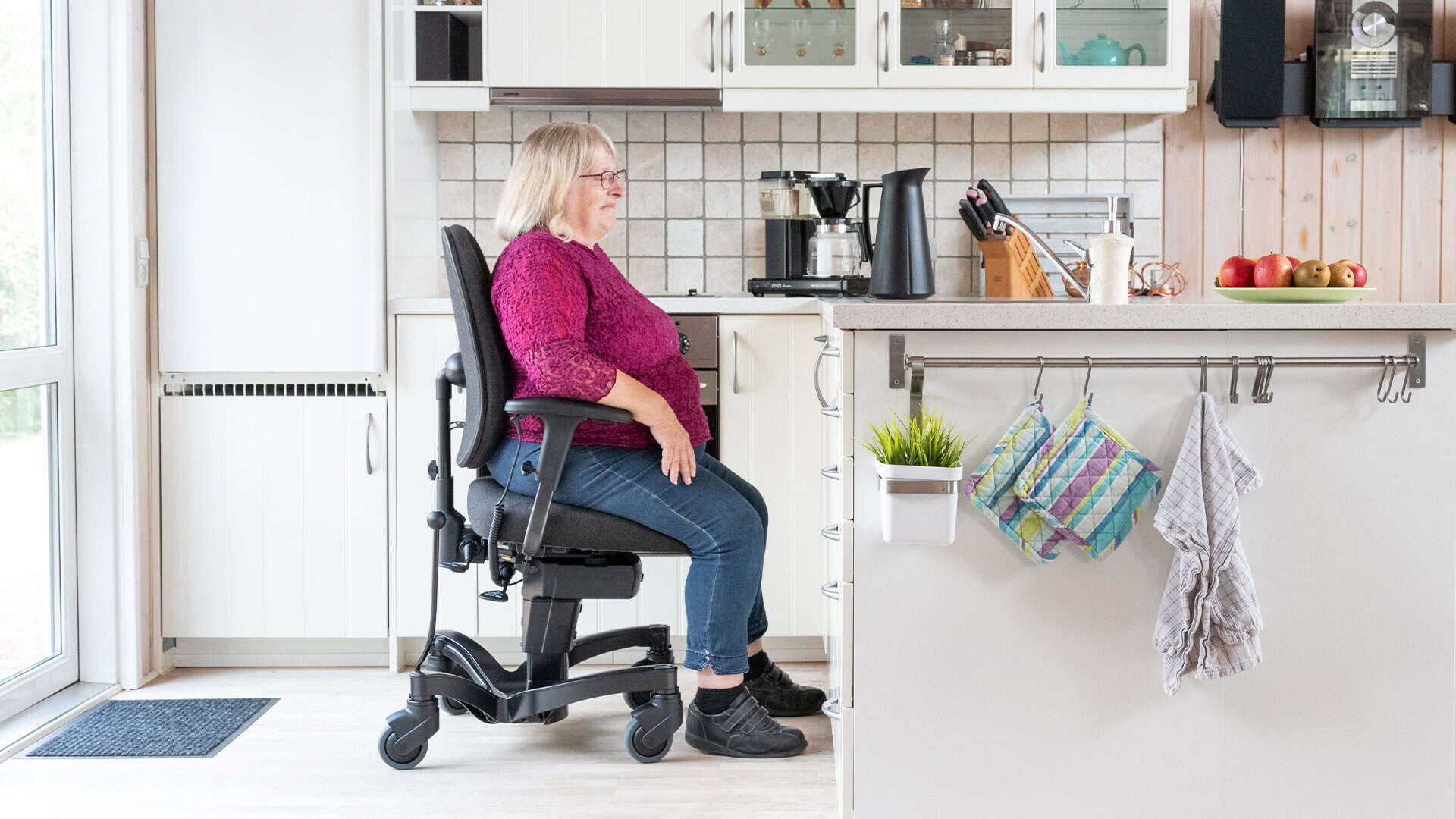
In response to these challenges, more facilities are exploring innovative solutions to promote self-sufficiency among residents, reducing the reliance on traditional nursing care models. Emphasizing aids that allow older adults to remain independent in familiar settings offers a viable alternative. Enter VELA, a medically approved mobility chair designed for home use. Offering enhanced safety, VELA chairs promote freedom of movement while seated and support daily activities like cooking, dressing, or transferring—alleviating the responsibilities on informal caregivers.
Emerging trends in assistive devices and technology
In addition to new regulatory standards, Arizona assisted living and memory care environments are rapidly integrating innovative assistive technologies. Recent advances feature AI-equipped smart wheelchairs with obstacle detection and navigation support (such as LUCI sensors and Robooter X40), as well as modular attachments like WheelMove for manual chairs. Transfer robots (ReviMo Niko) and all-terrain mobility devices (XSTO X12) are being showcased at major industry events, reflecting the trend toward autonomy and safety for mobility-impaired residents.[1] [7]
National clinical recommendations support personalized selection of assistive equipment—including AI-navigation wheelchairs and adaptive seating—to reduce fall risk, increase resident participation in daily activities, and enhance dignity for those with cognitive or mobility impairments. These devices align with Arizona’s enhanced focus on quality dementia care and risk management. Facilities can also benefit from fully electronic licensing management and real-time tracking of compliance and device integration.
Medicaid eligibility and financial considerations in 2026
As of 2026, Medicaid eligibility for long-term care and nursing home residents in Arizona requires an income limit of $2,982 per month and assets not exceeding $2,000. The program allows for self-directed service options, providing flexibility in arranging personal care and mobility support services. Understanding these thresholds is essential for families planning care transitions or seeking financial assistance for assisted living or memory care.[7]
Exploring alternatives to nursing homes
As the quest for staying independent at home gains traction, mobility solutions like VELA Chairs become increasingly relevant. Their design, incorporating a central brake for stability, electric height adjustability, and ease of movement while seated, specifically targets the challenges of maintaining safety and autonomy for seniors. This not only helps to prevent falls but also conserves energy, enabling individuals to continue daily routines such as cooking or relaxing, with minimal stress. The option of aging in place with the support of a VELA Chair can delay the need for moving into nursing homes, supporting a dignified and self-reliant lifestyle. While VELA is not the only solution, it is a proven and practical option for enhancing life’s fundamental simplicity and comfort at home, offering caring for elderly residents in assisted living.
Understanding Arizona’s assisted living regulations is essential for ensuring high-quality care for seniors. The landscape is swiftly changing, with the new memory care legislation, training requirements, Medicaid eligibility shifts, and assistive technology innovations elevating standards and protections. By staying informed and utilizing available state resources, families can ensure optimal care environments for their loved ones. As highlighted by BrightStar Care’s insights, an awareness of these regulations helps families navigate these changes effectively, ensuring that facilities meet both regulatory and personal care expectations.
Sources:
- Arizona assisted living memory care rules (Snell & Wilmer, post-2025 updates)
- SB 1254 fact sheet (Arizona Legislature, 2026)
- SB 1473 bill tracking (TrackBill, February 2026 actions)
- SB 1473 full text (LegiScan, 2026)
- Arizona Medicaid 2026 eligibility (MedicaidPlanningAssistance.org)
- Mayo Clinic – Assistive Device Clinical Trends 2025