

Updated September 2025: We have updated the article to include the latest 2025 changes to Arkansas Medicaid Home and Community-Based Services (HCBS) requirements, increased emphasis on assistive technologies, and recent state insurance regulations improving access to medical devices and care. The article now reflects new provider training mandates, resident rights, and expanded coverage relevant to assisted living and aging-in-place solutions.
Navigating Arkansas Assisted Living Regulations
Understanding the regulatory landscape of assisted living facilities is critical for ensuring quality care for the elderly. With 24% of Arkansas’s population over age 60 between 2018-2022, the need for regulated care is more relevant than ever. This comprehensive guide delves into the specifics of Arkansas’s assisted living regulations, providing insights for caregivers, seniors, and healthcare professionals.
Understanding the Two-Tier Licensing System in Arkansas
Arkansas employs a two-tier licensing system to differentiate its assisted living facilities, ensuring each resident receives adequate care based on their needs.
Level I Facilities
- Capabilities: Focus on independent living with minimal assistance. For example, a resident might manage most activities independently but requires help with tasks like light housekeeping or meal preparation.
- Limitations: According to Arkansas Health Care Association summary, Level I facilities cannot provide services to residents who require 24-hour nursing care, medication administration by facility staff, or those at risk to themselves or others. They also cannot admit residents who are bedridden or need significant transfer assistance.
Level II Facilities
- Capabilities: Offer more comprehensive services, including assistance with several Activities of Daily Living (ADLs), medication management, and care for temporary or terminal conditions if certified by a medical professional.
- Limitations: Despite broader services, they still do not provide 24-hour nursing care and cannot admit bedridden individuals. Facilities are designed to support residents transitioning smoothly from independent living to more intensive care as needed.
Navigating Admission and Assessment Procedures
Admission into an Arkansas assisted living facility involves a meticulous assessment process.
- Health Needs Assessment: Conducted by registered nurses, this assessment identifies the most suitable level of care. For instance, a senior with diabetes might be placed in a facility armed with the necessary expertise to manage specific dietary and medication requirements, as detailed in Arkansas Acts.
These assessments ensure that the facility can meet the prospective resident’s needs, aligning them with the appropriate services.
Alzheimer’s and Dementia Care Regulations in Arkansas
Facilities offering Alzheimer’s Special Care Units must adhere to stringent standards to provide tailored care for this population.
- Enhanced Requirements: Facilities must maintain higher staffing levels and provide specialized training for staff. Environmental modifications are also emphasized to create safe and supportive environments for dementia care.
For example, a family might choose a facility specifically for its excellent Alzheimer’s care unit to ensure their loved one receives specialized attention and support.
Recent Medicaid and Assisted Living Regulatory Changes
Arkansas’s Medicaid Home and Community-Based Services (HCBS) programs, including LivingChoices Assisted Living and ARChoices in Homecare, have been expanded and updated in 2025. These waivers emphasize integration with the community, greater privacy, and individual autonomy for residents. Updated requirements ensure that facilities and providers offer residents more control over their personal care plans and living environments, directly aligning with the federal 2014 CMS HCBS Settings Rule. New provider guidance and trainings now include focusing on accessibility, ergonomic design, and inclusive operations to promote both autonomy and dignity for all residents.[3] [1] [2]
Assistive technologies and adaptive devices such as Personal Emergency Response Systems (PERS), in-home modifications, and personal mobility equipment are now expressly covered and supported under Medicaid HCBS waivers. These measures help seniors age in place by maintaining safety, independence, and reducing the need for more restrictive institutional care.[2]
Recent regulations in Arkansas also include 2025 state legislative changes aimed at expanding insurance coverage for medical devices, such as ventilators, and rehabilitation therapies—especially for individuals with complex or acquired conditions. These reforms may impact access to necessary assistive devices for assisted living and aging-in-place populations.[6]
For providers, 2025 brings new mandatory training and quality assurance requirements that reinforce the rights of residents to privacy, choice, accessibility, and community integration within Medicaid-funded settings.[3]
Enhancing Independence with Innovative Solutions
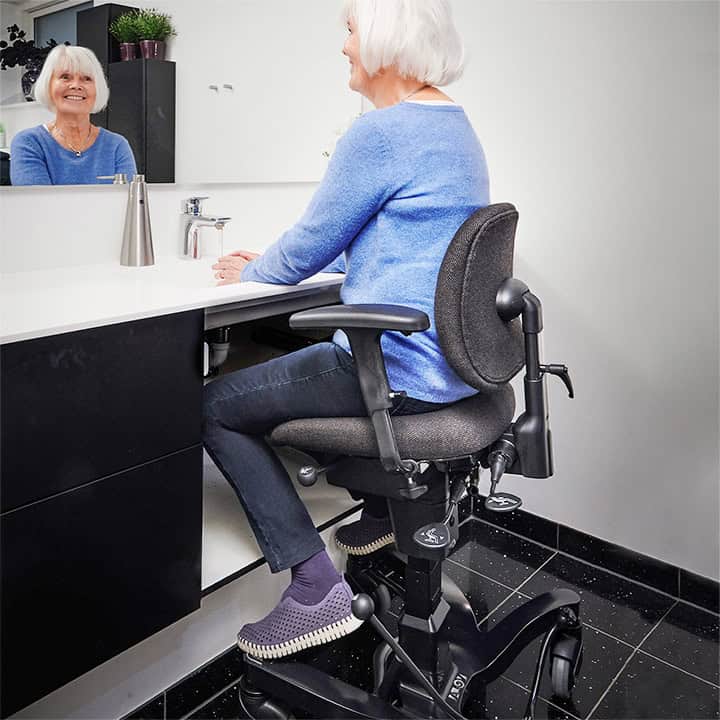
In navigating the complexities of assisted living challenges, families and caregivers often seek solutions that allow senior adults to maintain their independence at home for as long as possible. One such innovative solution is the VELA Independence Chair, a medically approved mobility chair designed for home use. This chair enhances safety by offering a central brake system while allowing freedom of movement while seated, supporting everyday activities like cooking, dressing, and transferring. By minimizing the physical strain on informal caregivers, the VELA chair embodies both practicality and dignity, enabling older adults to live independently without compromising safety.
The regulatory framework governing Arkansas assisted living is designed to address the diverse needs of the elderly through a structured, two-tier licensing system, precise admission procedures, and specialized Alzheimer’s and dementia care. This framework supports informed decision-making, ensuring that every senior receives care that maintains their dignity and safety.
Further recommendations and guidelines can be found through the Arkansas Department of Human Services, providing detailed insights into citations and regulations critical for making the best care decisions for seniors in Arkansas.
Supporting Aging in Place: A Practical Option
Enhancing independence in the home setting is key to delaying the transition to assisted living or nursing facilities. VELA Chairs offer unique features that make them indispensable for those wishing to age in place safely. With an easy-to-use central brake for security, electric height adjustability, and effortless movement while seated, these chairs stand out as solutions for fall prevention. Features such as the ability to maneuver with ease in kitchens or bedrooms allow seniors to conduct daily routines confidently, whether cooking or relaxing. Through preserving dignity and promoting safety, VELA Chairs represent a proven approach to maintaining quality of life and reducing the caregiving burden. While not the only option available, these mobility solutions offer a practical choice, enabling individuals to stay independent longer within their own homes.
References:
- Senior Planning (2025): Arkansas Medicaid Long-Term Care Eligibility & Waivers [1]
- Medicaid Long Term Care (2025): Arkansas Medicaid Home Care [2]
- Arkansas Department of Human Services: HCBS Setting Rules (2025 updates) [3]
- AHCA/NCAL Assisted Living State Regulatory Review 2024/25 [4]
- Arkansas Acts – Legislative Documents
- Arkansas General Assembly: 2025 Insurance Legislation Summary [6]