

Updated September 2025: We have updated the article with new insights on state-of-the-art assistive technologies including AI-powered smart glasses, brain-computer interface prosthetics, and self-driving smart wheelchairs, as well as the growing integration of AI assistants in daily living for people with disabilities. Coverage now reflects current trends highlighted by the 2025 CSUN Assistive Technology Conference and recent policy developments supporting independent living.
Understanding Assisted Independent Living
Assisted independent living represents an innovative hybrid model of senior care, allowing for a unique blend of independence with optional supportive services. This approach is strategically designed to accommodate the evolving needs of seniors. According to the CDC, over 800,000 seniors live in residential care communities, illustrating the growing demand for such solutions as assisted independent living.
What Is Assisted Independent Living? Key Features and Who It’s For
Assisted independent living effectively bridges the gap between independent and assisted living. It provides a customizable environment where seniors can retain their autonomy while accessing necessary support services. According to A Place for Mom, this model is particularly appealing to middle- and upper-middle-class seniors, starting from age 55, who may manage mild chronic conditions like hypertension or arthritis. Communities such as Atria and Brookdale exemplify this approach, offering an optimal balance of privacy and community support. The NIH/PMC underscores the importance of autonomy, community, and choice in enhancing quality of life in these settings.
Imagine Jane, a 72-year-old retired teacher, who chooses assisted independent living. She thrives in a community that offers weekly book clubs and art classes while still having access to medical check-ups and assistance with medication management when needed.
Assisted Independent Living vs. Assisted Living: Core Differences
While both models aim to support seniors, their approaches differ fundamentally. Assisted living typically includes more comprehensive help with daily activities and medical oversight, as highlighted by Medicare.gov. In contrast, assisted independent living focuses on fostering independence with support customized to individual needs. Regulatory guidelines, like those detailed in the Pennsylvania Regulatory Guide, help illuminate these distinctions, ensuring services meet specific operational standards.
Typical Services, Amenities, and Daily Life in Assisted Independent Living Communities
These communities offer a wide range of amenities, from wellness centers and active social calendars to advanced technology aimed at enriching residents’ lives. Recent innovations in assistive technology have expanded these offerings even further. AI-powered smart glasses, such as the Meta Ray-Ban Live AI feature, now deliver real-time environmental interpretation and hands-free guidance for blind or low-vision users, increasing personal autonomy and situational awareness (ThinkBeyondTheChair, First Aid for the Blind). Smart wheelchairs with self-driving functions and integrated AI assistants now make navigation and everyday tasks easier, while brain-computer interface prosthetics like NeuroGrip Arm offer intuitive control of artificial limbs, significantly enhancing mobility for some users (LetsEnvision.com, Market.us Media).
Wearable devices, including smart glasses and haptic vests, are increasingly used for real-time assistance with navigation and communication. Services like Aira, which combine AI-driven visual interpreting and American Sign Language (ASL) support, exemplify the shift toward integrated technology and user inclusion (CSUN 2025 Assistive Technology Conference Highlights). Communities like Sunrise Senior Living are recognized for their pet-friendly atmosphere and adoption of new technologies, creating a comfortable and supportive environment for residents.
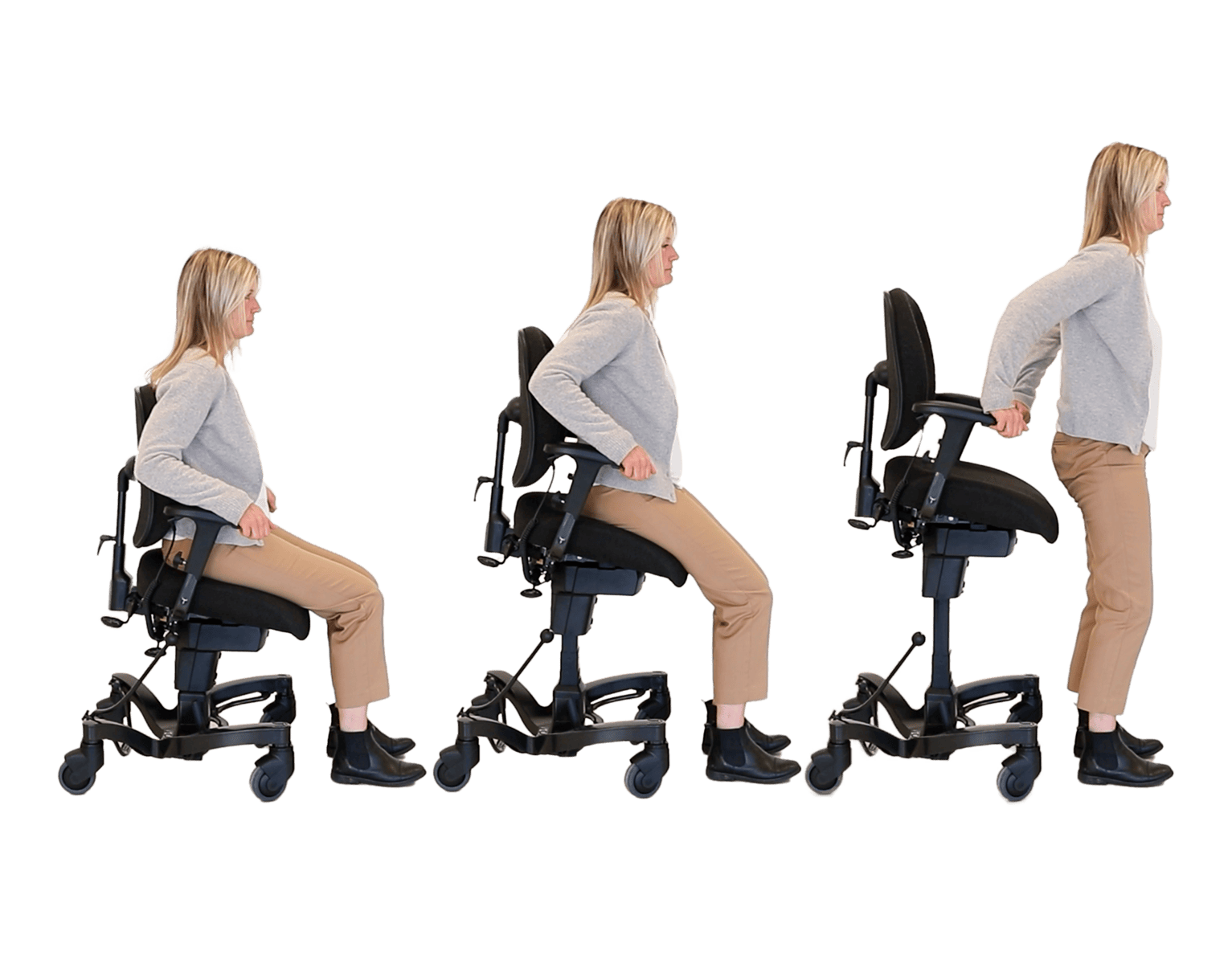
As seniors and their families navigate the complexities of elder care, finding solutions that allow older adults to maintain their independence at home becomes increasingly important. Mobility Chairs for Independent Living like the VELA Independence Chair offer one such solution. This medically approved mobility chair is specifically designed for home use, ensuring enhanced safety and freedom of movement while seated. It supports daily activities such as cooking, dressing, or transferring, significantly reducing the load on informal caregivers.
According to the CDC, these integrated amenities significantly contribute to the residents’ health, happiness, and engagement. Programs are designed to address the varied needs of the elderly, promoting a community-focused enriching life.
Costs, Contracts, and What to Expect
Costs in an assisted independent living community are influenced by factors like geographic location, available services, and the specific community in question. Typically, residents can anticipate monthly costs ranging from $3,500 to $5,000, as seen in providers like Atria and Brookdale. In some communities, assistive technologies such as VELA chairs may be included in these costs, offering additional support to residents. As AI-assisted devices, smart wheelchairs, and wearable technologies become more widely adopted, some communities may include these solutions as part of their amenity packages (ThinkBeyondTheChair). Financial assistance programs might be available to help lower-income seniors gain access to these communities. This focus on autonomy and flexibility empowers seniors to make educated decisions regarding their care and living situation.
Key Takeaways
In summary, assisted independent living stands out as a flexible and adaptable approach in senior care, skillfully balancing the independence of free living with the supportive nature of assisted living. The past year has brought rapid advancements in wearable assistive devices, AI-driven home technology, and brain-computer interface solutions, making modern communities more adaptable to user needs (LetsEnvision.com, American Foundation for the Blind). As emphasized by A Place for Mom and findings from NIH/PMC, this model attends to both the physical and psychosocial needs of seniors. By incorporating mobility solutions, AI-enabled systems, and offering personalized services, these communities ensure residents enjoy a high quality of life, with autonomy at the forefront. This comprehensive model of senior living acknowledges the diverse needs of residents, delivering a tailored experience that promotes health, happiness, and longevity. National policy developments, such as the establishment of National Assistive Technology Day in April 2025, reflect the growing recognition of assistive technologies in empowering independent living (NAGC Public Policy Update). For those planning this next life stage or exploring options for loved ones, assisted independent living represents a promising avenue for consideration.
Supporting Aging in Place: A Practical Option
For seniors aiming to maintain independence, solutions like the VELA Independence Chair present a compelling alternative to traditional nursing home paths. With features like a central brake for safety, electric height adjustability, and ease of movement while seated, these chairs support daily activities such as cooking, cleaning, and relaxing. This allows older adults to experience a lifestyle that emphasizes dignity, freedom, and safety in their own homes. Enhanced by recent trends in wearable AI devices and integrated home assistants, older adults can better manage daily living, communicate, and safely navigate their environment (LetsEnvision.com, Market.us Media). By making tasks manageable and comfortable, VELA chairs and related technologies can help delay the need for nursing home care, offering peace of mind to caregivers and families. While not the only solution, VELA chairs have proven to be a practical and effective option in supporting aging in place.