

Updated February 2026: We have updated the article with new insights on AI-powered wearables, smart mobility aids, voice-activated home controls, and telehealth technology in assisted living and aging in place. Current trends, adoption statistics, and guidance on integrating advanced assistive technologies for seniors in Aberdeen are now included, reflecting best practices and addressing digital literacy and privacy considerations.
Updated October 2025: We have updated the article with new findings on AI-driven wearables, advanced smart home ecosystems, telehealth integration, and innovations in ergonomic and adaptive assistive devices. The article now reflects the latest technology trends and clinical guidance for enhancing independence, safety, and quality of life in assisted living environments for seniors in Aberdeen.
Navigating Assisted Living Choices in Aberdeen
As Aberdeen’s population ages, the demand for assisted living solutions has become an increasingly pressing issue. The 27.5% growth of the 65-74 age group in Aberdeen City between 2011 and 2021 highlights the heightened need for comprehensive care services. According to the National Records of Scotland, these demographic shifts underscore the urgency to effectively address senior care needs in the region. Understanding the spectrum of assisted living options available in Aberdeen is critical for ensuring our elders lead fulfilling lives.
Demographic Shifts and Their Impact on Assisted Living Needs in Aberdeen
Aberdeen City and the surrounding region of Aberdeenshire have experienced significant demographic changes in recent years. While Aberdeen’s elderly population is expanding steadily, Aberdeenshire has seen a more dramatic rise, with the 65-74 age bracket increasing by 34.1% and the 75+ group by 25.6% from 2011 to 2021. According to the Aberdeen City Health and Social Care Partnership, these differences mean both areas have specific requirements regarding housing and care options for seniors. Data illustrate how these changing demographics fuel varying demands for care homes, with a stronger need for specialized services in more rapidly aging communities like Aberdeenshire.
Exploring Assisted Living Options in Aberdeen
Aberdeen’s assisted living landscape comprises various facilities tailored to meet different needs. Options range from private care homes and public/NHS facilities to voluntary/not-for-profit organizations and specialized dementia care centers. The predominance of the private sector is evident. However, according to Public Health Scotland, there has been a noticeable shift with significant reductions in admissions to nonprofit and local authority-operated homes. For real-life insights, consider the example of the Thomson family, who navigated these options to find a facility offering specialized dementia care. This example demonstrates the complexity and necessity of choosing the right care environment.
Enhancing Quality of Life in Aberdeen Care Homes
Quality of life is a cornerstone of Aberdeen’s approach to assisted living, as these facilities strive to create homelike environments while fostering community integration. Research from Alberta Health Services emphasizes the critical role of resident perceptions in quality assurance, highlighting how community-centric programs and adaptive environments enhance overall satisfaction. Narratives from residents like Mary, who cherishes the social activities and personalized care at her facility, exemplify the success of these initiatives in bolstering a sense of belonging and well-being among seniors.
Financial Planning for Assisted Living in Aberdeen
Financial planning is crucial when considering assisted living options in Aberdeen. The city’s assisted living costs vary widely, influenced by the type of facility and level of care required. According to Aberdeen City Council, understanding the potential costs and available financial assistance programs is vital for making informed decisions about long-term care. Local government resources offer guidance on budgeting for assisted living, illustrating scenarios for various income levels. For example, single-income households may qualify for elder care grants, providing relief in what can otherwise be a significant financial burden.
Supporting Aging in Place: A Practical Option
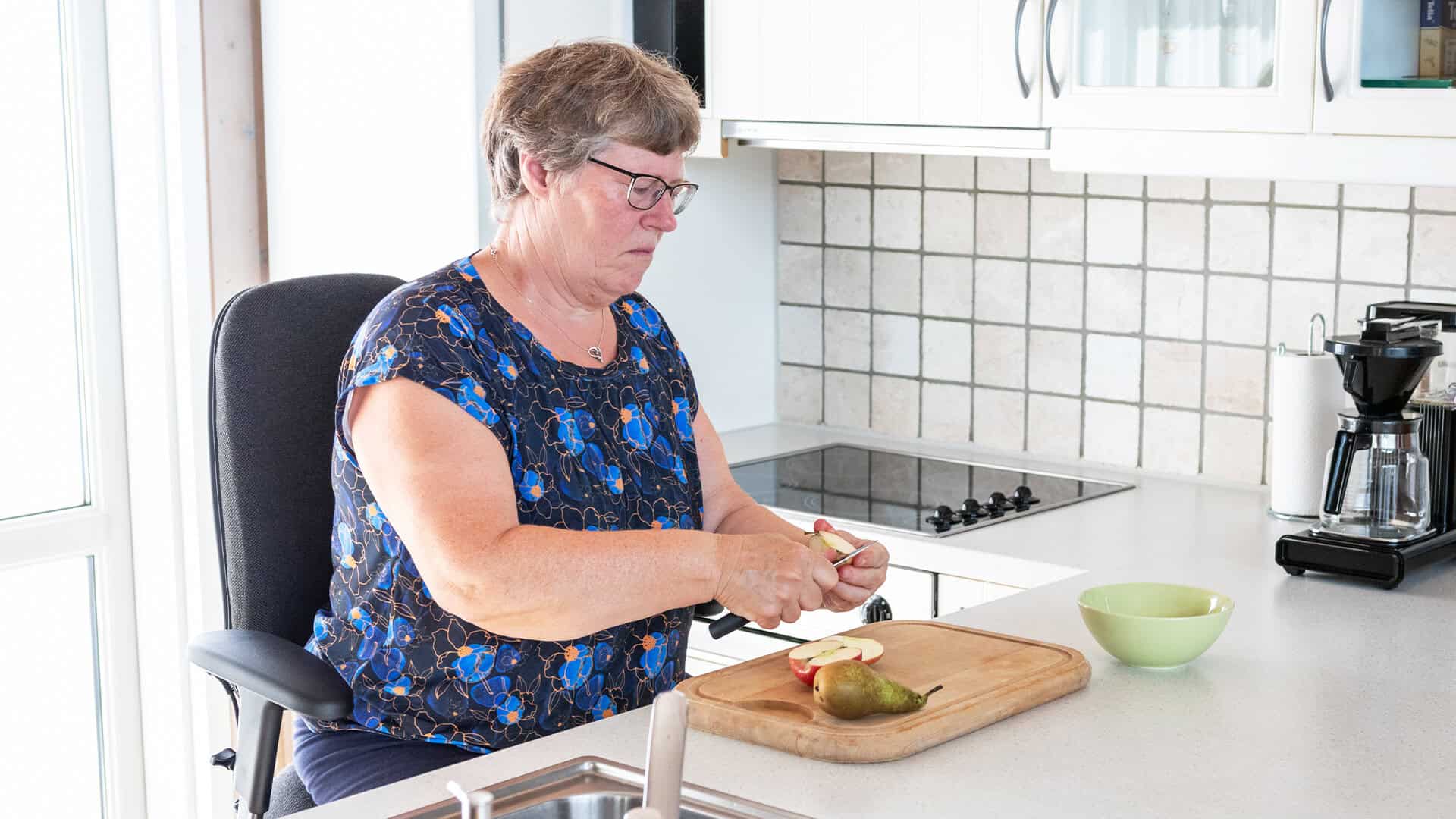
The VELA Independence Chair offers a practical solution for seniors wishing to remain in their homes longer by enhancing their ability to perform everyday tasks independently. Its features, such as a central brake for added safety, electric height adjustability, and ease of movement while seated, effectively address common challenges like safety risks and energy exertion. For seniors, this chair can delay the need for nursing home admission, allowing for greater dignity and freedom. The difference a VELA chair makes is evident in everyday activities—whether it’s preparing a meal, relaxing in the living room, or transitioning between different areas of the home. While VELA is not the only mobility solution available, its proven track record makes it a valuable option in the broader toolkit of aging-in-place strategies, helping preserve independence and reduce caregiver burden. In 2025 and 2026, advances in ergonomic and adaptive product design include AI-powered smart glasses to aid navigation and reading for visually impaired users, intelligent mobility aids like exoskeletons and GPS-enabled walkers, and sensory canes that provide real-time adjustments. Voice-activated assistants and telehealth integration have also become standard features in many adapted homes. Seniors and caregivers are encouraged to assess available digital literacy resources and to consider the importance of privacy and data security when adopting new assistive technologies. These solutions are designed through collaboration between tech firms and healthcare professionals to maximize usability and effectiveness. Moreover, exploring Senior Mobility Solutions can further illuminate how seniors can benefit from such innovative products. NextMSC, The Good Life SV, AARP, AgeInPlaceTech, University of Florida Aging Studies, YouTube
In summary, the landscape of assisted living in Aberdeen is complex and ever-evolving. With increasing elderly demographics, varying assisted living options, and the pressing need for quality of life enhancements, choosing the right solution can be daunting. Financial considerations play a significant role, underscoring the importance of early and thorough planning. According to Public Health Scotland, personalized care plans are essential in navigating these choices effectively, ensuring each senior receives the support they need tailored to their unique circumstances. The integration of AI-powered assistive devices, remote monitoring, and smart home technology now play a central role in modern senior care. Clinical guidance increasingly supports these digital tools for fall prevention, health monitoring, and maintaining independence, with major senior living communities investing in digital literacy, staff training, and telehealth to maximize resident well-being. Over 50% of falls now occur at home, highlighting the importance of home modifications and technology-based prevention strategies, while privacy and digital literacy remain important considerations for wider technology adoption among seniors. As we look to the future, it is imperative that we continue to adapt and expand our care facilities, integrating technology and best practices to meet the growing demands of Aberdeen’s aging population. Health Dimensions Group, SeniorsBlueBook, Market.us Media, AARP, AgeInPlaceTech, University of Florida Aging Studies, YouTube