

Updated February 2026: We have updated the article to reflect significant 2025-2026 changes in assisted living regulations, including new state-level requirements for staff training, education, and electronic visit verification. The article now includes recent advances in assistive mobility technology and updated accreditation standards from CARF and the Joint Commission, emphasizing outcome-based quality measures, performance data, and inclusive, person-centered care. Additional authoritative sources regarding regulatory reviews, accreditation, and technology trends have been integrated.
Accreditation’s Role in Quality Senior Care
Accreditation for assisted living facilities plays a key role in maintaining superior care standards, decisively affecting the well-being of the elderly. In the United States, with over 30,000 assisted living communities serving more than 800,000 residents, accreditation is a crucial benchmark for quality and safety. According to the Joint Commission, accreditation reassures families that facilities are committed to providing the highest levels of care and support for elderly residents.
Understanding Assisted Living Accreditation: Confirming Quality of Care
Assisted living accreditation entails a structured evaluation by authoritative organizations, such as the Joint Commission and CARF, against comprehensive standards covering resident care, safety protocols, and staff training. Facilities that achieve accreditation often see improvements in residents’ quality of life, reflecting their commitment to continuous enhancement and adherence to best practices. For example, a facility in Indiana noted a significant rise in resident satisfaction scores post-accreditation, demonstrating its impact on care quality.
According to the Joint Commission and CARF, accreditation standards are consistently updated based on scientific evidence and evolving best practices, now integrating outcome-based quality measures such as incident trends (falls, infections), resident satisfaction scores, and electronic performance data reporting (e.g., ORYX submission). These standards now underscore the importance of person-centered care, performance improvement, and the integration of assistive technologies to address shifting healthcare needs. This gives families peace of mind when choosing suitable communities for their loved ones.
How Accreditation Standards Are Developed and Enforced
The development of accreditation standards involves synthesizing scientific evidence and best practices to establish rigorous guidelines for facilities. As of 2026, both the Joint Commission and CARF have further evolved their survey tools and manuals (2026 Comprehensive Accreditation Manuals) to cover real-time performance review, outcome measurement, and the use of innovative assistive technologies. Enforcement is critical for maintaining compliance, and tools like the Infection Prevention and Control Program Assessment Tool from the Joint Commission 2025 Survey Guide aid facilities in evaluating their practices. Accreditation organizations now also require facilities to use electronic visit verification (EVV) for Medicaid-funded services.
Regular assessments, electronic data submission, and continuous feedback loops help ensure that these facilities remain vigilant in upholding high standards, providing a secure and nurturing environment for residents.
Regulatory Requirements: Federal vs. State Oversight for Assisted Living Facilities
In the U.S., assisted living facilities must adhere to both federal and state regulations. Federal agencies provide overarching guidelines, while states are tasked with licensing and certification, creating distinct requirements. According to AHCA/NCAL and the 2025 State Regulatory Review NCAL 2025 Assisted Living State Regulatory Review, many states have recently updated direct care staff requirements, oversight protocols, and administrator training mandates. Regulations are now more likely to require transparency in staffing, mandatory training in dementia care and infection control, skills verification, and timely adoption of technologies supporting resident safety.
State-specific regulations can significantly influence operations, such as the staff-to-resident ratios, caregiver training, emergency protocols, and the use of technologies like electronic visit verification (EVV), shaping the care levels and service types offered. Many states also now tie reimbursement or licensing to participation in outcome-based measurement programs and detailed reporting on resident satisfaction and safety incidents.
The Impact of Accreditation on Resident Quality of Life
Accreditation positively affects resident outcomes and satisfaction by fostering an environment of continuous improvement and service excellence. Research by ACHC and updated standards by the Joint Commission highlight that accredited facilities perform better in workforce quality, care coordination, and resident satisfaction, especially when integrating technology-enabled supports. Case studies indicate tangible benefits, such as enhanced resident health outcomes and quality-of-life improvements as measured by falls, preventable infections, and feedback scores.
Due to their dedication to quality improvement and transparent reporting, accredited facilities typically report higher satisfaction levels from residents and families alike and are better positioned for future regulatory compliance.
Ensuring Independence and Safety for Seniors at Home
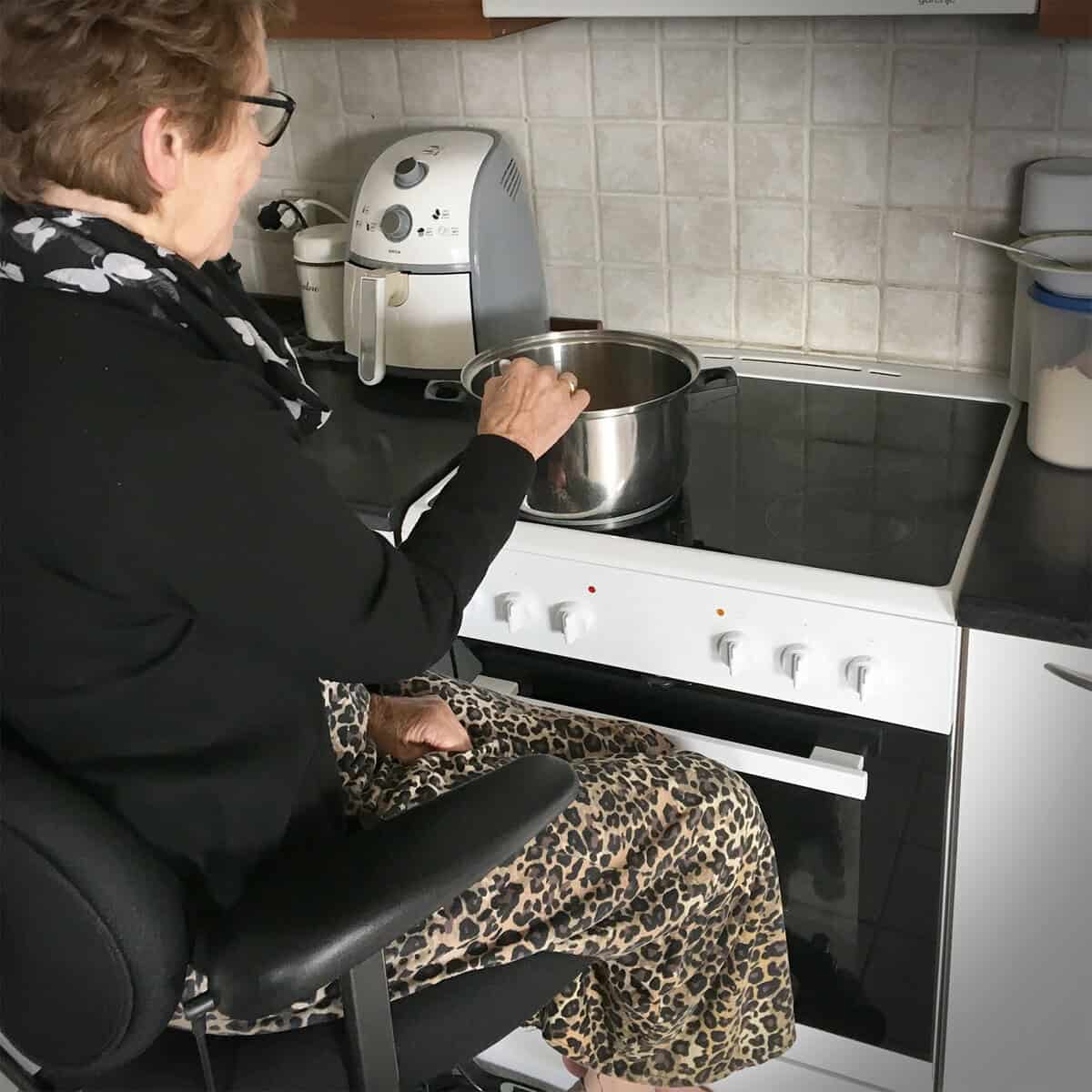
In the context of assisted living, the challenges faced by seniors often revolve around maintaining safety, fostering independence, and ensuring ease in daily activities. While some residents find solutions within nursing homes, many seek to preserve their independence by remaining in their own homes. Solutions like the VELA mobility chair, medically approved and designed for home use, address these challenges by offering enhanced safety and freedom of movement. VELA chairs support daily activities such as cooking, dressing, and transferring, while reducing the burden on informal caregivers with features like height adjustability and ergonomic design.
Innovations in assistive technology have expanded since 2025, offering additional options for seniors with reduced mobility. Notable examples introduced at CES 2026 include AI-driven smart wheelchair upgrades (such as LUCI and Robooter X40), adaptive electric bikes and add-ons like WheelMove that transform manual wheelchairs, and all-terrain power chairs (XSTO X12). Advanced navigation systems and environmental awareness tools (such as MaaS-Bridge and SEERU) now enhance both indoor and community mobility for those living at home or in assisted living settings (CES 2026 Assistive Technology Exhibitors).
Supporting Aging in Place: A Practical Option
For seniors and their families aiming to delay or avoid the need for nursing home placement, solutions like VELA Chairs offer a compelling alternative. Designed with features that tackle common problems faced by older adults—such as safety, energy conservation, and ease of transfers—these chairs contribute significantly to independent living. With attributes like a central brake for stability, electric height adjustability, and fluid movement while seated, they help seniors stay autonomous longer at home. The growing range of post-2025 mobility innovations, many supported by insurance toolkits and compliance checklists, help families address mobility needs in line with regulatory standards and best practices. Imagine a day spent with the boundless energy and confidence to perform tasks like cooking or relaxing without fear of falls or fatigue, thanks to supportive seating. While VELA isn’t the only option, it stands as a proven choice that helps sustain the dignity, freedom, and safety seniors deserve in their daily lives. For more information on mobility solutions for seniors, VELA offers practical insights.