

Updated February 2026: We have updated the article with the latest trends in assistive technology, highlighting AI integration in mobility aids, robotic exoskeletons, smart wheelchairs, predictive health monitoring, and tech-enabled activity planning. The new guidance includes AI-powered rehabilitation, voice-activated tools, group use of smart solutions, and sections on caregiver training and home adaptations to enhance independence and engagement for seniors.
Designing an Engaging Activity Calendar for Assisted Living
In an era where the well-being of our aging population takes precedence, the design of an inclusive and engaging activity calendar for assisted living facilities becomes paramount. A well-rounded activity schedule not only fills the day with joy but also significantly contributes to the mental and physical health of elderly residents. According to the National Institute on Aging, participation in enjoyable activities is instrumental in maintaining overall well-being as one ages. Thus, crafting a conducive environment through thoughtfully planned activities can significantly enhance residents’ quality of life.
Crafting a Well-Rounded Assisted Living Activity Calendar
To cater to the diverse needs of residents, an effective activity calendar incorporates a mix of physical, cognitive, social, and creative activities. Each of these dimensions plays a crucial role in promoting holistic wellness. For instance, consider Mrs. Johnson, an 82-year-old resident with mobility issues. She finds solace in chair yoga, where adaptive chairs allow her to participate fully despite her limitations. Increasingly, these activities can be supported by smart wearable health devices that monitor vital signs, detect fatigue, or even encourage safe participation through gentle alerts, ensuring personalized engagement and safety for each participant.[1][3][5][6] The use of AI and smart wheelchairs now opens opportunities for greater involvement in both indoor and outdoor activities, including outings with all-terrain walkers and stair-climbing wheelchairs.[3][6] This nurturing environment fosters a sense of community and purpose, allowing residents to thrive even when faced with physical challenges. According to A Place for Mom, providing varied activity options is vital for enhancing the lives of assisted living residents.
Effective Strategies for Planning Senior Activities
Understanding the interests and abilities of residents forms the cornerstone of successful activity planning. A balance between structured and spontaneous activities, along with inclusivity, is crucial. For example, a community survey might highlight a keen interest in technology classes, leading to the introduction of weekly computer workshops. Modern technology now expands these offerings: AI-powered voice assistants and smart home systems can facilitate activities, offering hands-free engagement for residents with mobility or dexterity limitations, providing reminders for scheduled events, and even powering adaptive games and wellness check-ins.[1][3][5][7] Virtual reality rehabilitation enhanced with predictive health monitoring, along with remote group exercise guided by exoskeleton technology, allows seniors with limited mobility to fully participate.[3][15] Adoption of AI tools for health reminders, as seen in 30% of adults aged 50 and above, is also transforming individualized engagement.[5] Additionally, telemedicine and virtual event access allow residents with mobility barriers to join group activities or health programs remotely, ensuring ongoing participation regardless of physical constraints. Caregiver training programs on these new devices and digital activities support smooth integration and reduce the burden on staff.[1][3] Such initiatives ensure residents like Mr. Thompson, who is passionate about learning new skills, remain mentally stimulated and socially connected. Activity Connection offers valuable guidance on how to tailor activities to suit the varied interests of residents.
Sample Activities and Adaptations for Assisted Living Residents
Popular activities such as Bingo, chair exercises, and creative workshops have long been staples in assisted living facilities due to their high participation rates and adaptability. Recent advancements make these activities even more accessible: for example, adaptive input devices, AI-driven voice recognition, and smart glasses with object recognition can help residents with vision or dexterity barriers fully enjoy group sessions.[1][4][8][14] AI-guided exercise classes can now be delivered via robotic exoskeletons or sensor-equipped walkers, providing safe, monitored movement and personalized feedback.[3][6][15] In a music therapy session, large print song sheets may now be supplemented by speech-to-text conversion or audio prompts. Sensor-driven devices and non-wearable fall detection systems can provide discreet safety monitoring during group activities, contributing to both independence and peace of mind.[1][7][9] The use of robotic companions and group interaction with smart speaker systems can further enhance social connectedness and reduce loneliness among seniors.[3][5] Data from the Journal of Aging and Health confirms that attendance rates for these activities strongly correlate with personal factors like mobility and cognitive function, highlighting the importance of tailored approaches.
Transitioning to Independent Living Solutions
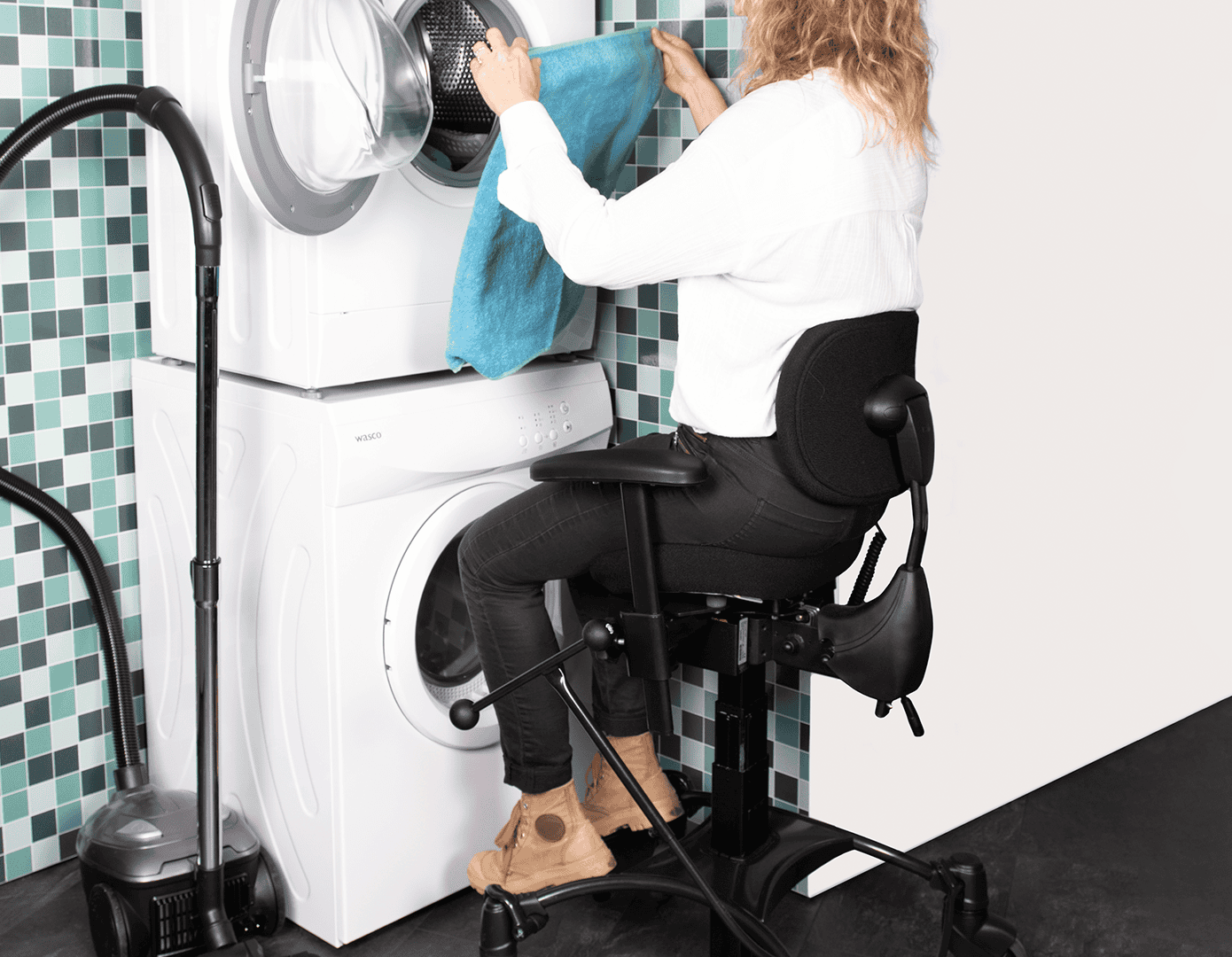
As we address the challenges faced by seniors in nursing homes, it’s essential to explore solutions that empower older adults to maintain independence while aging in place. The VELA Independence Chair, a medically approved mobility chair designed for home use, is one such solution. It improves safety and freedom of movement during seated activities such as cooking, dressing, or transferring, while minimizing reliance on informal caregivers. Modern mobility aids now often feature smart controls, sensor-based adjustments, semi-autonomous navigation, and integration with AI-driven predictive health monitoring, all of which expand opportunities for home-based activities and daily living.[1][2][3][6][15] Voice-activated wheelchairs and lightweight exoskeletons further enable seniors to participate actively in household tasks and favor greater autonomy,[3][6][15] while predictive smart devices can proactively identify risks and support personalized care routines.
With its height-adjustable seat and lockable wheels, the VELA chair supports daily living tasks, enhancing both safety and autonomy. This treatment allows seniors to remain independent longer, potentially delaying the need for nursing home care. Preparation for successful aging-in-place increasingly includes home modifications for accessibility and interoperability, as well as sustainability features in equipment and digital platforms.[1][11][15] By addressing mobility and safety concerns, solutions like the VELA Chair and new sensor-driven, AI-powered devices demonstrate how aging in place can be a vibrant and viable alternative, allowing seniors to enjoy their independence without compromising on the support they need. The essence lies in sustaining dignity, freedom, and quality of life, thus alleviating caregiver stress and enhancing the home’s comfort. Integration with AI-powered systems and virtual care options can further personalize support and care planning for each individual.[1][3][9][11]
References
- Cyces.co, AgeTech Trends 2025: AI, Robotics & the Future of Aging — overview of AI-enabled devices, smart homes, and telemedicine advances in senior care.
- National Center for Biotechnology Information (NCBI), Recent trends in assistive technology for mobility — study on improved integration of mobility aids, prosthetics, and robotic exoskeletons.
- Heisinger Bluffs, The Future of Senior Living: Trends to Watch in 2025 — smart home and wearable health device trends in senior living.
- Equal Accessibility LLC, Innovations In Assistive Technology — summary of AI-driven assistive tools including adaptive keyboards, voice recognition, and prosthetics.
- Next Market Strategies & Consulting, Disabled and Elderly Assistive Device Market Forecast 2025-2030 — market data on assistive devices growth and AI-enabled innovations like smart glasses.
- Ability MT, Exciting Assistive Technology for People with Disabilities — newest smart wheelchair features and funding options.
- Aging and Health Technology Watch, Technology for Aging 2025 Market Overview (PDF) — emerging tech such as AI fall detection using room sensors and expanded interaction methods beyond voice.
- Assistive Technology Outcomes and Benefits, Volume 19 Spring 2025 (PDF) — research on eyewear assistive devices for obstacle detection and integration with behavioral strategies.
- Standards Sunrise Foundation, The Future of Senior Living 2026 — smart homes, telemedicine, and wellness-focused approaches for seniors.
- World Health Organization, Assistive Technology Fact Sheet — global need projections and assistive tech importance.
- Health Dimensions Group, 2025 Top Trends in Aging Services (PDF) — regulatory changes and AI integration in aging services.
- Be Accessible, Assistive Technologies for People with Disabilities — future assistive technology innovations and examples.
- Digital Learning Institute, Revolutionising Accessibility: The Role of AI in Assistive Technology — AI’s growing role in mobility and communication aids.
- AARP Tech Trends Series on Older Adults Technology Use — Details AI adoption doubling to 30% among 50+ adults, focusing on voice assistants and health tools. https://www.aarp.org/pri/topics/technology/internet-media-devices/technology-trends-series/
- Medtronic’s 6 Healthcare Tech Trends for 2026 — Covers AI diagnostics, robotic rehab, and personalized digital twins relevant to senior mobility and recovery. https://www.medtronic.com/en-us/our-company/stories/6-healthcare-tech-trends-for-2026.html
- CES 2026 Coverage on Senior Living Tech (K4Connect) — Highlights AI health monitoring, robotic companions, and data-driven personalization for assisted living. https://www.k4connect.com/the-future-of-senior-living-arrived-at-ces-2026/
- CES 2026 Assistive Tech Exhibitors (Mobility Management) — Features smart wheel attachments, AI navigation bridges, and all-terrain power chairs launching mid-2026. https://mobilitymgmt.com/ces-2026-4-assistive-technology-exhibitors-to-watch/