

Updated September 2025: We have updated the article with the latest advancements in AI-powered assistive technologies, including smart glasses, brain-controlled prosthetics, smart wheelchairs, and integrated home monitoring solutions. The article also covers updated regulatory frameworks, highlights in aging-in-place tech, the rise of hybrid AI-human services, and recent trends in inclusive user-centered product design.
The Importance of Assisted Living Advocacy for Seniors’ Quality of Life
The role of assisted living advocacy is paramount in ensuring that seniors receive the best possible care while their rights are protected. According to the American Health Care Association, advocacy efforts have been instrumental in shaping policies and regulations that govern the standard of care in these facilities. With the elderly population in the U.S. expected to double by 2040, the demand for quality assisted living services is increasing. Engaging policymakers through initiatives like facility tours is crucial for addressing long-term care issues and underscores the need for continued advocacy.
What Is Assisted Living Advocacy and Why Does It Matter?
Assisted living advocacy focuses on protecting the rights and well-being of residents while enhancing care standards. Advocacy involves efforts by organizations and individuals to improve policies that affect the daily lives of seniors. For instance, a senior facility’s successful push for increased state funding not only improved their services but also became a benchmark for others to follow. Such advocacy efforts have demonstrated that when residents and advocacy groups work together, the quality of care can improve significantly. This aligns with findings from the American Health Care Association emphasizing the positive impact of collaborative advocacy.
Key Demographics Driving Demand for Assisted Living
Understanding the demographic profile of the elderly population helps inform better planning and service provision in assisted living facilities. The population of those aged 65 and older is growing, with various health conditions such as arthritis, diabetes, and dementia becoming more prevalent. According to Haven Senior Investments, the cost of assisted living—averaging $4,500 per month—often dictates the level of care accessible to different income groups. For instance, a community that adapted to increased demand through innovative care solutions saw an improvement in resident satisfaction and engagement, illustrating how demographic insights can lead to better service delivery.
Regulatory Standards and Resident Rights in Assisted Living
State regulations are instrumental in protecting residents’ rights and ensuring quality care in assisted living facilities. According to Medicare.gov, these regulations cover licensing, staff-to-resident ratios, and resident rights. Advocacy organizations play a significant role in defending these rights and prompting regulatory bodies to make necessary changes. For example, a state’s implementation of new regulations following advocacy efforts resulted in improved care quality, proving that advocacy can lead to substantial regulatory improvements. Recent policy shifts now include expedited processes for assistive device approval, especially during emergencies, to ensure timely access to critical technology that supports care, independence, and health monitoring in both residential and home-based environments.Cognitive Market Research, 2025
Current Trends: Cost, Quality, and Occupancy in Assisted Living
Evaluating the cost, quality, and occupancy trends in the assisted living sector is crucial for stakeholders. The U.S. senior living market size is projected to grow significantly, with increased investments in staffing and facility enhancements driving quality improvements. Haven Senior Investments projects a rise from USD 92.6 billion in 2023 to USD 118.17 billion by 2028. Such growth reflects both the increasing demand and the ongoing efforts to improve standards across the sector. In recent years, new AI-powered technologies—such as smart glasses for real-time visual interpretation, self-driving and IoT-connected wheelchairs, and adaptive hearing devices—are enriching the quality of life and independence for residents, driving facility enhancements and resident satisfaction.Think Beyond The Chair, 2025 Accessibility.com & WIPO, 2025
How to Evaluate Local Assisted Living Providers
Selecting the right assisted living provider involves assessing various quality indicators such as staff engagement, the implementation of innovative programs, and tech integration. Top-rated facilities are often recognized for their personalized care and successful resident satisfaction stories. According to the Argentum 2025 Outlook, evaluating a facility might include reviewing user testimonials and checking for unique care programs. These insights provide a comprehensive view of a provider’s ability to meet resident needs effectively.
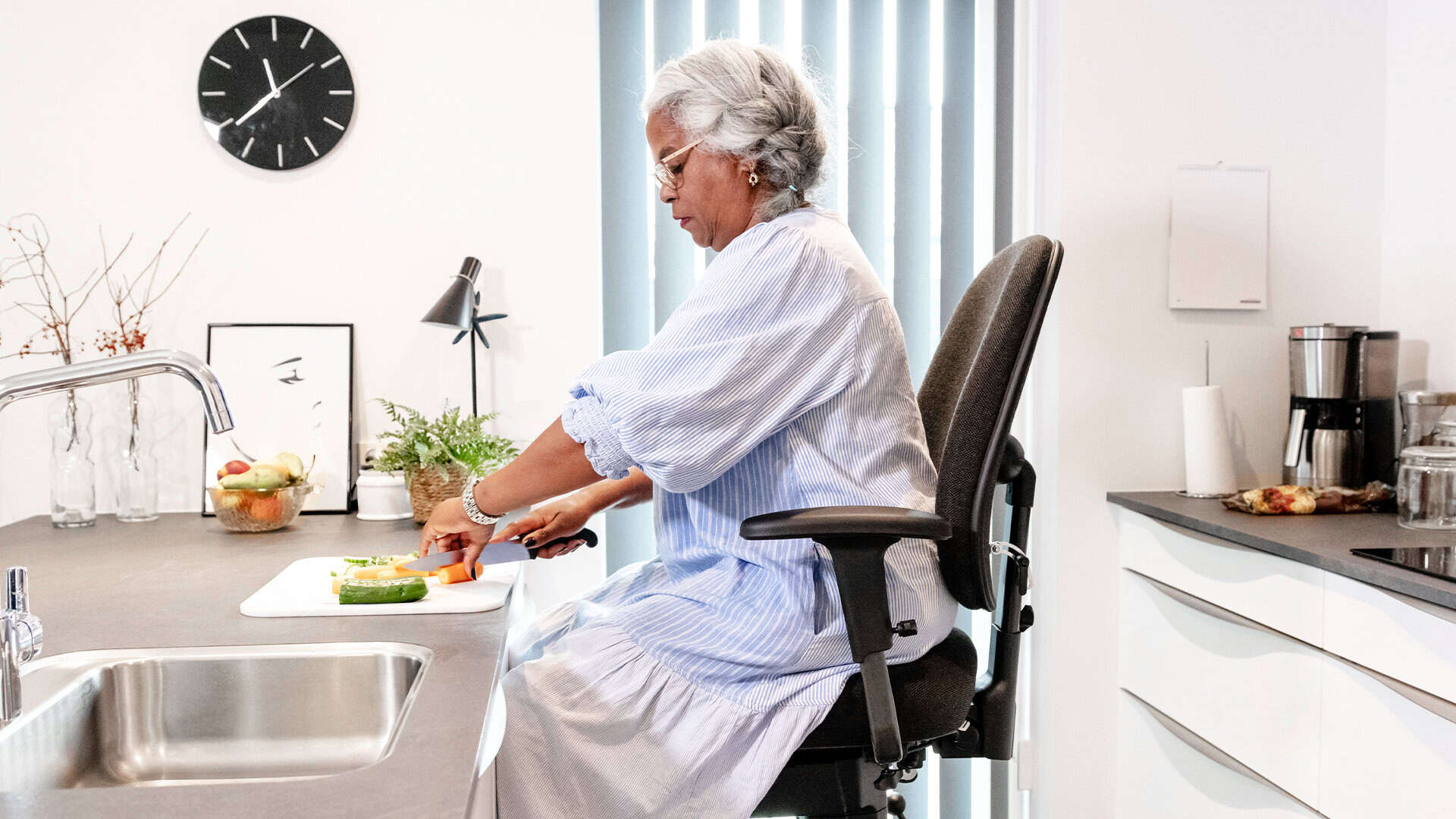
Improving mobility and promoting independence are growing concerns for seniors and their caregivers. Many face challenges that make traditional nursing homes less appealing, preferring to remain in their own homes for as long as possible. Assisted Living Solutions like mobility chairs serve to help bridge this gap by enhancing safety and independence. The VELA Independence Chair, a medically approved mobility chair designed for home use, provides an optimal solution. It offers enhanced safety, freedom of movement while seated, and support for daily activities such as cooking, dressing, or transferring. This not only supports seniors but also reduces the load on informal caregivers.
In addition to mobility chairs, the latest AI-powered assistive devices allow seniors and people with disabilities to be more independent and connected. Innovations such as smart glasses with real-time object and facial recognition, BCI-enabled prosthetics for natural movements, and adaptive sensory aids enable responsive support tailored to individual need and context.Think Beyond The Chair, 2025Lets Envision, 2025
Supporting Aging in Place: A Practical Option
In today’s world, solutions that allow seniors to age in place offer a more desirable alternative to traditional nursing homes. Products like VELA Chairs facilitate this goal by enabling older adults to maintain their independence at home. The chairs address key challenges like safety, ease of movement, and energy conservation. They offer features like a central brake for security, electric height adjustability for comfort, and ease of movement for daily tasks, which can significantly delay the need for a nursing home. Life with a VELA Chair is marked by increased dignity, freedom, and safety, allowing seniors to engage in activities like cooking, cleaning, or relaxing more comfortably. While these chairs are not the only solution available, they represent a proven and practical option for those seeking to support aging in place with reduced caregiver burden. Independent Living for Seniors further emphasizes the importance of feasible solutions in maintaining autonomy for seniors in home environments.
Recent trends in aging-in-place technologies have accelerated, with a growing emphasis on integrated systems for remote health monitoring, fall detection, medication management, and adaptive home furniture to promote safety and convenience.Cognitive Market Research, 2025 Hybrid AI-human services, like real-time visual interpreting with Aira, conversational AI assistants, virtual/augmented reality training for rehabilitation, and inclusive product design shaped by user involvement are now improving outcomes and usability across the sector.Innocaption, 2025American Foundation for the Blind, 2025
Cognitive Market Research, 2025