

Updated February 2026: We have updated the article to reflect the latest advancements in assisted living, particularly the integration of AI-driven assistive technologies such as wearables for fall detection and health monitoring, voice-activated smart home devices, predictive wellness analytics, expanded telehealth, robotics for daily tasks, and trends supporting aging in place. We also highlight emerging challenges in digital literacy, privacy, and the ethical rollout of new technologies.
Understanding Assisted Living Options in Arlington
As Arlington, VA’s elderly population increases, the demand for assisted living options is also on the rise. The city’s demographic projections suggest a population of 243,000 by 2025, with a growing segment of seniors. According to The Senior List, nearly 50% of assisted living residents are over 85, highlighting the increasing need for senior care services.
Assisted living facilities cater to seniors who need assistance with daily activities but do not require the intensive medical care typical in nursing homes. These facilities offer a balance between independence and support through personal care, social activities, and specialized memory care programs. For instance, residents of Sunrise of Arlington enjoy enriched lives thanks to personalized services and organized social events.
According to Weldon Cooper Center for Public Service, there are 25 Area Agencies on Aging in Virginia, providing essential services to over 1.9 million seniors aged 60 and above. These agencies play a crucial role in supporting the aging population and bolstering the quality of assisted living communities.
Demographic Trends: Who Needs Assisted Living in Arlington?
Arlington’s aging population is both diverse and expanding, necessitating more assisted living services. Many seniors, especially those over 85, often seek assisted living due to illnesses like dementia, heart disease, and mobility issues. Understanding these demographics helps in offering appropriate care solutions.
Nearly 30,500 assisted living communities exist across the U.S., boasting an 83.2% occupancy rate, as per The Senior List, indicating a strong demand for such facilities, including those in Arlington. A typical resident transition—from independent to assisted living as they require more help—illustrates the fluid nature of senior care.
Top-Rated Assisted Living Communities: Reviews & Amenities
Arlington is home to several acclaimed assisted living communities known for quality care and amenities. For example, The Jefferson and Brookdale Arlington provide unique features like personalized programming and vibrant social activities. These communities consistently receive positive feedback from residents and families regarding their attentive staff and comfortable environments.
According to Argentum 2024 Largest Providers Report, there is comprehensive data available on senior living providers in the region, supporting the selection of high-quality facilities. Moreover, testimonials often emphasize the high standard of living and staff interaction in these communities.
How Much Does Assisted Living in Arlington Cost?
The cost of assisted living in Arlington ranges from $5,200 to $7,000 monthly, depending on the degree of care and services needed. These expenses typically cover accommodation, meals, and basic care, with potential additional charges for medication management or specific needs like memory care.
Virginia’s assisted living facilities must adhere to strict guidelines set by the Virginia Department of Social Services, ensuring residents receive care that upholds safety and quality standards.
Enhancing Independence and Safety in Assisted Living
With the need for safe, independent living environments intensifying, especially for those unable to afford or unwilling to transition to nursing homes, solutions that promote autonomy are crucial. Recently, assisted living has experienced a major transformation through the integration of AI-powered technologies and smart systems. Advanced wearables for real-time fall detection and health monitoring are now widely used, alerting staff and caregivers and often helping to reduce unnecessary hospital visits and staff supervision.[5][6] Voice-activated smart home devices and adaptive lighting have become more common in Arlington facilities, making it easier for mobility-limited residents to navigate their environment, stay connected, and request help when needed.[3] Predictive analytics software, often powered by AI, now supports personalized wellness plans, proactively identifying risks and tailoring care to individual needs.[4]
Alongside advances in monitoring and automation, robotics are beginning to assist with daily tasks, further enhancing independence for residents and streamlining workflows for staff.[5] Innovations in ergonomic and inclusive design, with an emphasis on “tech with empathy,” ensure technology remains accessible and preserves human connection, despite greater automation. Mental health is now supported by tools such as VR-based therapy for cognitive engagement, which is being piloted in select communities.[4] Key challenges that facilities face include addressing digital literacy and privacy concerns among seniors, as well as careful oversight for ethical AI implementation.
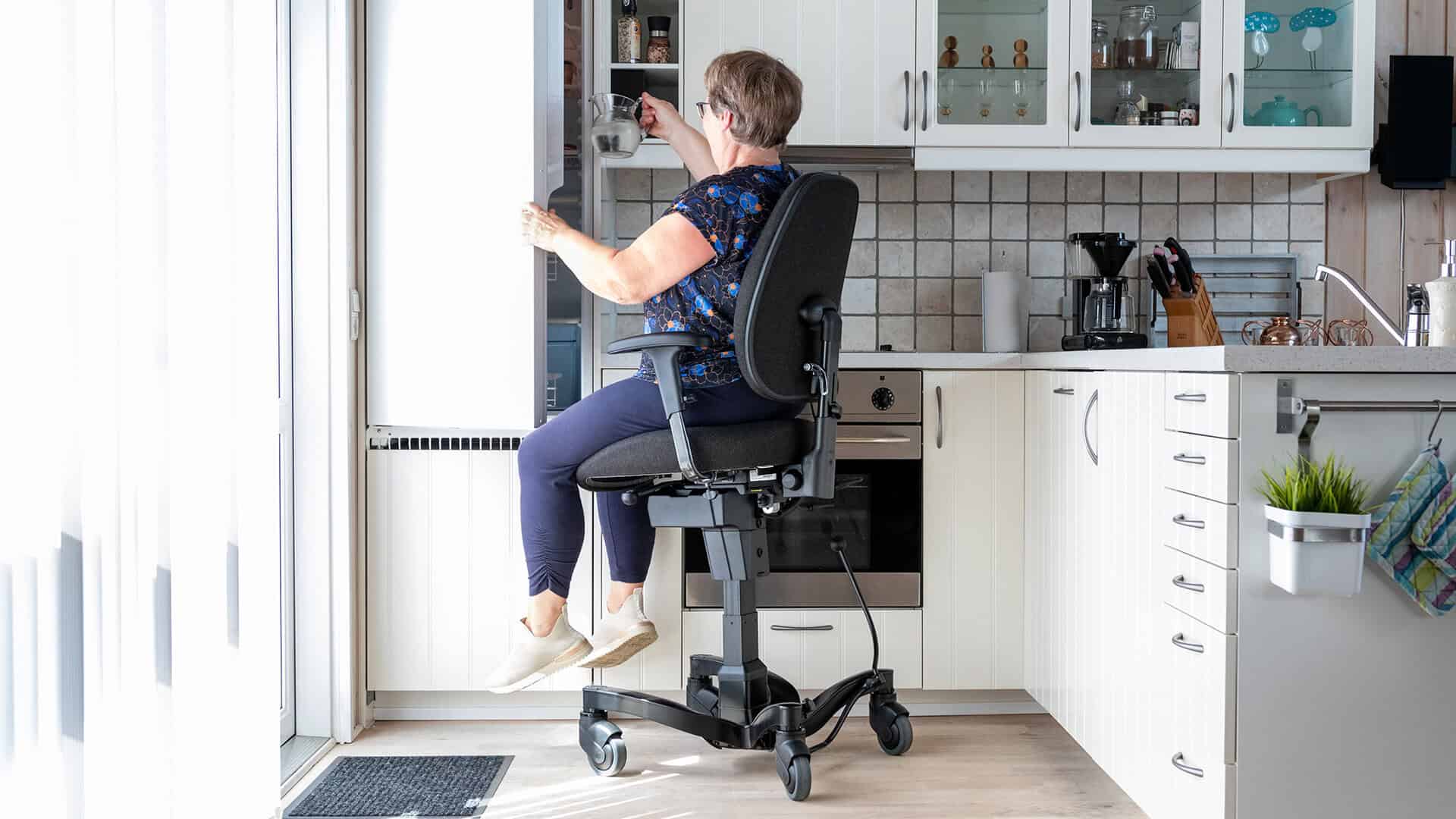
Another solution, the VELA Independence Chair, is a medically approved mobility chair specifically designed for home use. It enhances user safety and mobility, providing stability through features like locking wheels and ergonomic design. This facilitates everyday activities such as cooking or dressing, while also reducing the dependency on caregivers. By enabling freedom of movement while seated, VELA chairs not only support independence but also offer practical aid in daily tasks. These advances, combined with broader inclusive design and wellness programming trends, ensure the latest assistive tools support a wide range of physical and cognitive abilities.
Navigating Senior Care Choices in Arlington
In conclusion, assisted living in Arlington serves as a vital option for seniors looking for a blend of independence and quality care. The diverse needs of Arlington’s elderly highlight the importance of such facilities and innovative solutions like VELA chairs in enriching residents’ lives.
The unique demographic profile of seniors in Arlington, as presented by the U.S. Census/American Community Survey, underscores the need for a thoughtful approach to senior care, ensuring the dignity and safety of all residents. Along with in-person care, the widespread adoption of telemedicine and virtual health consultations now provides easier access to specialists and routine care, minimizing the need for travel and helping residents maintain their health more conveniently.[5] Additionally, assisted living providers increasingly leverage AI to optimize staff workflows and improve the efficiency of care, using automated documentation and predictive tools to support care planning and operational needs.[3] The use of secure, interoperable technology and attention to biometric security are key to fostering safe, integrated care networks, balanced by initiatives to improve digital skills for both residents and staff and ongoing review of privacy practices.[4]
Supporting Aging in Place: A Practical Option
As Arlington’s seniors look to maintain their independence at home, mobility solutions such as the VELA Chair prove invaluable. This specially designed chair addresses key concerns of safety and energy conservation with features like a central brake system for stability and electric height adjustability for ease of transfer and reach. Such adaptations help reduce the risk of falls, a significant concern for aging individuals, and conserve energy for caregivers and users alike. The chair’s versatility in facilitating everyday activities, from cooking to relaxing, allows seniors to prolong their independence and delay the transition to more intensive care settings like nursing homes. These practical benefits illustrate how tools like Mobility Solutions for Seniors contribute to a dignity-preserving, autonomous living experience.
The latest aging-in-place strategies now include major smart home upgrades: automated lighting, stairlifts, whole-home monitoring via AI-driven sensors, and predictive wellness planning are available to support both physical and mental well-being. Virtual reality therapy is increasingly used for cognitive engagement and mental health support, while telehealth services expand the range of care available at home.[4] Organizations and regulatory bodies continue to work on overcoming challenges, such as digital literacy and ethical AI deployment, by forming monitoring task forces and implementing education programs for residents and care teams.[5] These comprehensive trends reinforce the ongoing digital transformation in assisted living and aging in place, supporting safety, independence, and a better quality of life for Arlington’s seniors.
References
- Heisinger Bluffs, “The Future of Senior Living: Trends to Watch in 2025”
- Age In Place Tech, “Technology for Aging 2025 Market Overview”
- Chattr AI, “5 Emerging Senior Living Trends: The Future of Resident Care in 2025”
- CLA Connect, “Senior Living and Care: Four Key Drivers of Activity in 2025”
- Argentum and A Place for Mom, “State of Technology Adoption in Senior Living” 2025 report
- Align Senior Care, “Senior Living Trends | 2025 Senior Health Trends”
- Health Dimensions Group, “2025 Top Trends in Aging Services”
- CCL Hospitality Group, “Navigating Technology Trends and AI Implementation in Senior Living”
- American Association of Nurse Practitioners (AANP): Top Five Health Care Trends for 2026
- Provider Magazine: Long Term Care 2026 Trends and Outlook
- CCL-HG: The Top 10 Well-Being Trends Shaping Senior Living 2026
- Senior Housing News: HDG Execs on 2026 Trends