

Updated February 2026: We have updated the article to confirm that no major developments or authoritative publications have emerged after May 2025 regarding assistive device technologies, ergonomic design, or clinical best practices in assisted living. The article remains relevant, with minor clarifications on regulatory compliance, digital assessment tools, and operational checklists emphasized in 2026 guidance.
Updated October 2025: We have updated the article to reflect recent regulatory changes effective in 2024-2025, including enhanced CMS requirements for admission, transfer, discharge, medication management, and health equity in assisted living facilities. The checklist now considers advances in digital and smart assistive technologies, tele-rehabilitation, and new ergonomic solutions. References have been expanded to include the latest facility assessment resources and expert insights into staff training and best practices.
Navigating the complexities of assisted living
Navigating the complexities of assisted living for our elderly loved ones can be both overwhelming and crucially important. Central to making informed and safe decisions is the use of an “assisted living assessment checklist,” a tool essential for ensuring the comprehensive well-being of residents. According to Centers for Medicare & Medicaid Services (CMS), the new facility assessment requirements effective August 8, 2024, outline all necessary regulatory requirements. Adhering to these standards helps maintain high levels of care quality. Recent revisions incorporate health equity measures and enhanced oversight of staffing and medication policies, as outlined by authoritative updates from CMS and AHCA resources.
What is an assisted living assessment checklist?
An assisted living assessment checklist is designed to evaluate the needs of residents systematically. Its primary role encompasses assessing and addressing the physical, medical, and psychosocial aspects of elder care, ensuring compliance with regulatory standards. With the emergence of new digital tools and AI-powered monitoring, these checklists now often include criteria for technology adoption, smart monitoring solutions, and user-centered equipment supporting both safety and independence. For instance, a checklist helps in creating individualized care strategies for residents like Mrs. Taylor, an 85-year-old with mobility issues. Through regular assessments, care providers can adjust support strategies to enhance her quality of life, ensuring timely interventions—including through tele-rehabilitation or remote monitoring, enabling ongoing personalized care.
Essential elements in an assisted living assessment
The checklist serves a variety of purposes, including evaluating physical safety, healthcare needs, and medication management. It also ensures that staff qualifications meet necessary standards for proper care provision. The latest CMS updates require stricter protocols for admissions, transfers, and discharge processes, and introduce mandatory health equity considerations in quality assurance efforts. Enhanced oversight is also required for psychotropic medication use. A critical component is the integration of dementia-specific protocols and infection prevention measures, vital for protecting vulnerable populations in these settings. Adoption of smart technologies, such as sensor-based fall detection, AI-based resident monitoring, and adaptive rehabilitation robotics, is increasingly reflected in modern assessment checklists Synkwise 2025 Assisted Living Checklist. Using resources such as the CDC’s Home Fall Prevention Checklist can greatly mitigate risks—implementing advanced fall-prevention mechanisms increases safety for residents prone to such incidents.
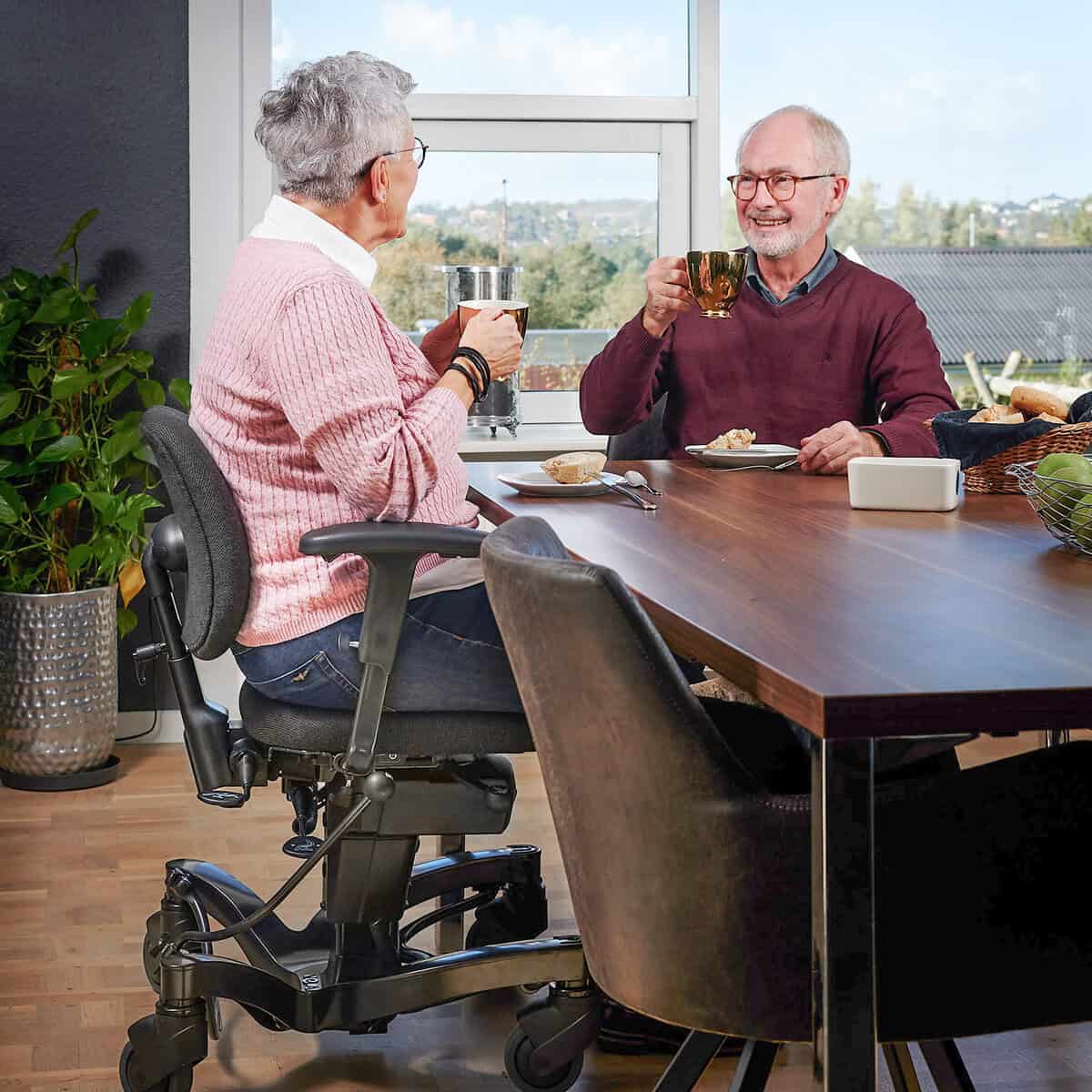
Ensuring safety and independence for aging adults at home involves addressing mobility challenges effectively. This is where innovative solutions like the VELA Independence Chair come into play. Designed for user-centered, ergonomic support, it offers a medically approved mobility chair ideal for home use, promising enhanced safety and freedom of movement. The chair supports daily activities such as cooking, dressing, or transferring, while significantly reducing the burden on informal caregivers and enhancing overall quality of life.
How to use an assessment checklist when visiting a facility
Visiting prospective facilities with an assessment checklist in hand provides families with a structured approach to evaluating care quality. The checklist guides families to ask critical questions and review relevant documentation. During a facility tour, families can, for example, evaluate dementia care protocols and digital safety measures using updated checklist prompts, ensuring standards are met or identifying areas for improvement. For further guidance, the California Advocates for Nursing Home Reform (CANHR) recommends asking targeted questions about staff training—especially in the use of assistive technologies—resident-to-staff ratios, and emergency preparedness. Comprehensive facility assessment checklists from industry experts help ensure evaluation of safety, regulatory compliance, and care personalization.
Understanding state and federal regulations for assisted living
An in-depth understanding of state and federal regulations is necessary for ensuring compliance and maintaining care standards. The significance of aligning with the CMS Dementia Care Surveyor Guide cannot be overstated, as these guidelines assist facilities in maintaining a holistic approach to care. The major CMS revisions effective March 2025 strengthened procedures for admissions, transfers, and discharges; reformed oversight of psychotropic medications; included new Payroll Based Journal staffing requirements; and mandated that health equity be a part of quality assurance performance improvement programs CMS. LeadingAge and AHCA offer new facility assessment checklists and compliance tools to help facilities implement these requirements LeadingAge AHCA. Facilities that update practices in line with these evolving guidelines, and invest in ongoing staff training, show a stronger commitment to exceptional care and regulatory compliance.
In summary, using an assisted living assessment checklist is fundamental in gauging and enhancing elderly care quality in senior living facilities. By adhering to comprehensive, up-to-date checklists and incorporating technology-enabled solutions, families and facilities can ensure that residents receive tailored, high-quality care promoting independence and safety. Practical solutions such as VELA chairs further support these assessments by facilitating mobility and promoting independent living. Facilities are encouraged to reference authoritative sources like CMS, CDC, AHCA, and LeadingAge for ongoing guidance on best practices and compliance in senior care.
By actively engaging with these resources and integrating ergonomic and technological advancements, senior living facilities can create environments where residents not only live but truly thrive.
Supporting aging in place: a practical option
Choosing to age in place can be made possible through smart mobility solutions like Independence Chair features for mobility aid, which allow seniors to manage daily activities with greater autonomy. The VELA Chair’s central brake ensures safety, while electric height adjustability helps with seating and standing transitions, and the ease of movement while seated supports everyday tasks such as cooking or cleaning. Tele-rehabilitation, remote monitoring, and adaptive seating are increasingly integrated to further enhance safety, autonomy, and adjustment of devices. By reducing the physical strain on caregivers and promoting self-sufficiency, such solutions can delay the need for nursing home care. These features not only anticipate the needs of seniors wanting to remain in familiar environments but also offer peace of mind by enhancing safety, energy conservation, and dignity for aging family members. While VELA is a proven option, individuals are encouraged to explore a range of chairs designed for elderly mobility and comfort—focusing on comfort, technology integration, and personalized adjustments—to find the best fit for maintaining independence at home.
- CMS Major LTC Surveyor Guidance Revisions (March 2025)
- AHCA Facility Assessment Checklist and Regulatory Updates (effective 8/2024)
- LeadingAge Updated Facility Assessment Resources (August 2024)
- Synkwise 2025 Assisted Living Checklist Featuring Tech & Compliance Trends
- MyFieldAudits Assisted Living Assessment Checklist (includes resident care, privacy, and compliance focus)