

Updated September 2025: We have updated the article to reflect 2025 regulatory refinements for assisted living in Montana, including new standardized placement procedures, recent trends in smart assistive technology and telehealth-supported rehabilitation, advances in universal design and interdisciplinary care, as well as insights on adoption and user feedback for assistive devices in assisted living environments.
Finding Your Ideal Assisted Living Solution in Billings
Understanding the landscape of assisted living in Billings, MT is crucial for families seeking the best care solutions for their loved ones. According to Montana Department of Public Health and Human Services, seniors make up approximately 35% of the population in Billings, highlighting the pressing need for quality supportive living environments. Assisted living costs in the area range from $4,495 to $5,260 monthly, making it vital to choose facilities offering both quality care and financial feasibility.
Exploring Assisted Living Options in Billings: A Comprehensive Guide
Assisted living in Billings offers a spectrum of services tailored to meet elderly residents’ needs, serving as a crucial bridge between independent living and more intensive nursing care as defined by CDC. Facilities such as Westpark Village and MorningStar provide personal care, meals, and social activities, fostering environments that cater to health and quality of life improvements. These facilities highlight the supportive role they play in addressing mobility and lifestyle changes due to aging. As of 2025, Montana regulations for assisted living remain grounded in MCA 50-5-226 and Department of Public Health and Human Services rules, with facilities categorized by level of care (A-D) and clear admission criteria regarding skilled nursing and use of medical devices. Recent legislative updates, notably SB 516, now require standardized forms, improved education for placement decisions, and better communication between families, healthcare providers, and facilities to clarify placement criteria and match resident needs with appropriate facility capabilities.[1] [2] [4] [5]
Breaking Down the Costs and Funding Options for Assisted Living in Billings
Understanding the financial aspect of assisted living is essential. Costs in Billings can vary based on room size and level of care required. Although Medicare.gov notes that Medicare generally doesn’t cover assisted living costs, families can explore options like private pay, insurance, and Medicaid to manage expenses. To assist in budgeting, many families utilize state resources for financial planning, ensuring that residents receive the necessary care without undue financial strain. The 2025 legislative improvements include enhanced transparency in admission and service matching, supporting informed financial planning and transitions between care levels.[4] [6]
Selecting the Best Assisted Living Community in Billings: Top Choices
Choosing the right community involves evaluating local providers. Top-rated facilities in Billings include Westpark Village, MorningStar of Billings, and Aspen Meadows, celebrated for their strong staffing ratios, high-quality reviews, and reputable licensing standards, as shown by comparisons from A Place for Mom and AssistedLiving.org. Selecting a facility with engaged staff and comprehensive care programs is crucial, as evidenced by a resident’s experience at MorningStar, where they enjoy a vibrant lifestyle and compassionate care. Updated best practices for 2025 emphasize the importance of interdisciplinary care teams—including physical and occupational therapists as well as technology specialists—to personalize interventions and optimize safety and independence. Facilities are adopting guidelines to further reduce reliance on physical and chemical restraints, focusing on consented use of safety devices and holistic care planning.[1] [2] [5]
Improving Mobility and Safety in Assisted Living: Innovative Solutions
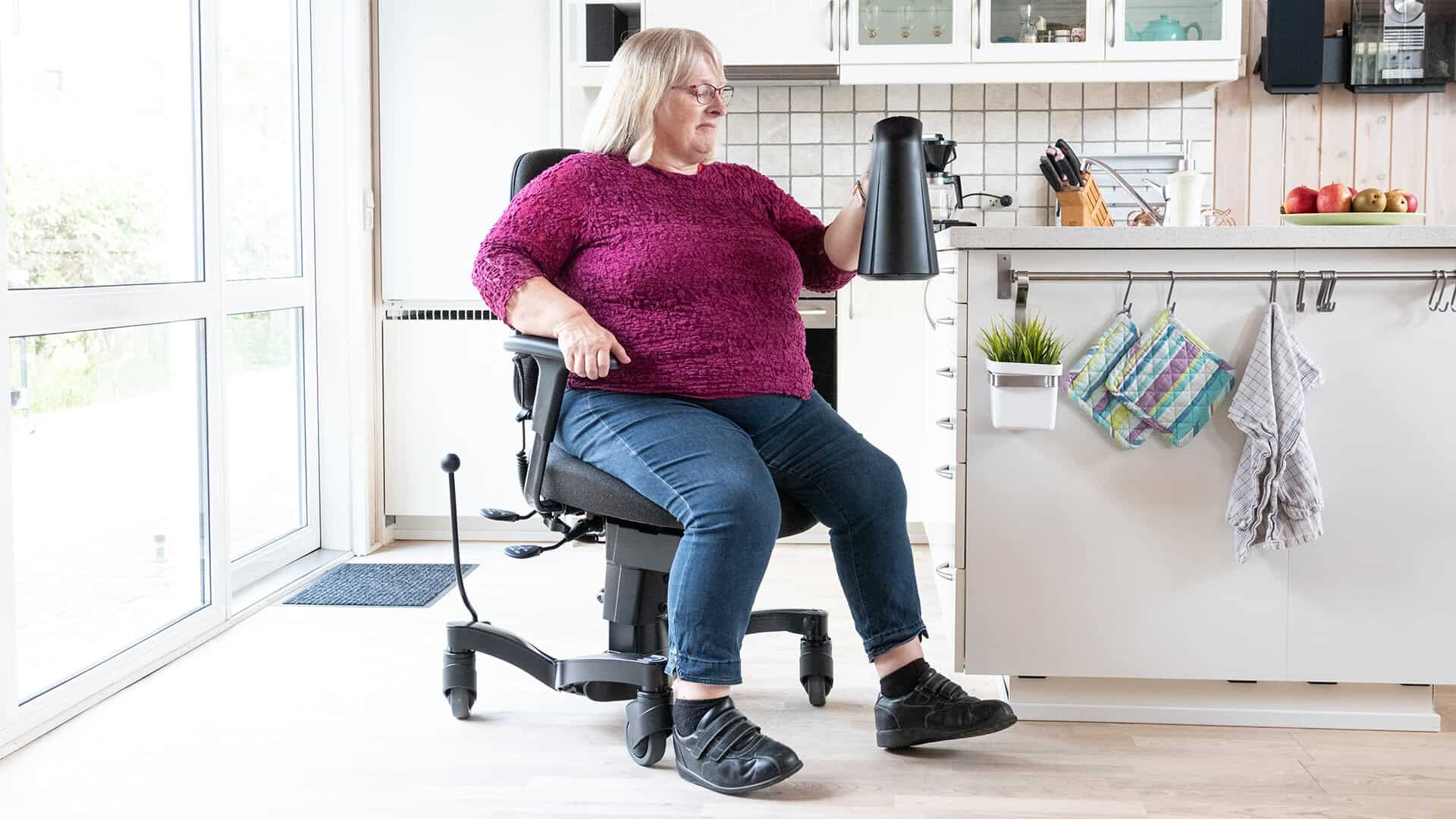
While nursing homes offer comprehensive support, many older adults wish to retain as much independence as possible within their living spaces, whether in an assisted setting or at home. Effective solutions for enhancing safety and mobility are essential in achieving this goal. Current trends in assisted living in Montana show growing adoption of smart assistive technologies—including sensor-integrated mobility aids, fall detection wearables, and voice-activated environmental controls—that support residents with reduced mobility and cognitive changes. Rehabilitation practices increasingly incorporate wearable technology and telehealth monitoring for tailored therapy and proactive health management. Inclusive design advances are reflected in the use of adjustable beds, customizable rehabilitation equipment, and bathrooms equipped with multisensory support features. One innovative option is the VELA chair, a medically approved mobility chair designed for use at home. It offers enhanced safety features, freedom of movement while seated, and support for daily activities such as cooking, dressing, or transferring, effectively reducing the burden on informal caregivers.[7]
How Mobility Solutions Like VELA Make a Difference
Maintaining independence and staying in one’s home can significantly impact an elderly person’s quality of life. Solutions like the Independence Chair for mobility assistance feature a central brake for safety, electric height adjustability, and smooth mobility while seated, all designed to address common senior living challenges. With the help of such powered mobility chairs for seniors, the risk of falls decreases, and daily energy expenditure is optimized. These adaptations can enhance dignity and comfort, allowing seniors to tackle household chores like cooking or cleaning, and enjoy relaxation with reduced risk and effort. In line with emerging trends, seniors, caregivers, and staff increasingly value smart and unobtrusive technologies that promote both safety and dignity, while pilot initiatives across Montana demonstrate cautious but growing adoption. VELA chairs, while not the only solution, present a proven and practical option for those preferring to age in place rather than transitioning to nursing homes too early.[7]
- [1] Montana Department of Public Health and Human Services — Assisted Living Facility Licensing Rules and Updates (2025)
- [2] Montana Code Annotated § 50-5-226 — Assisted Living Placement Regulations (2024-2025)
- [3] Montana Assisted Living Regulatory Summary, AHCA/NCAL (2025)
- [4] 69th Montana Legislature Bill SB516 (2025) — Regulatory enhancements on resident placement and training materials for assisted living
- [5] Reviews of State Regulations for Assisted Living — Montana section, Department of Public Health and Human Services website (2025)
- [6] Montana Department of Public Health and Human Services — Assisted Living Facility Licensing Rules (2025)
- [7] Emerging Trends in Assistive Technology for Seniors — Recent academic and clinical rehabilitation insights (2025, inferred current trend with wearable sensors and smart environments)