

Updated September 2025: We have updated the article with new findings on smart assistive technology, AI-powered monitoring, ergonomic and modular furniture, regulatory changes, and trends in technology adoption for assisted living in Brooksville, FL. Insights on advanced mobility aids and technology integration now reflect current clinical guidelines and user experience.
Article on Assisted Living Options in Brooksville, FL
When you’re faced with the responsibility of choosing an assisted living option for your loved ones in Brooksville, FL, making an informed decision is crucial. This picturesque Florida city, renowned for its rich history and tight-knit community, has a notable median age of 52.4 years, suggesting a significant elderly demographic. Consequently, the demand for reputable assisted living facilities is pronounced. Florida-Demographics.com provides comprehensive insights into this area’s needs. Ensuring the right environment is indispensable, impacting not just the health and safety of seniors, but also their happiness. According to Florida Agency for Health Care Administration, Florida enforces rigorous regulations and standards for these facilities, mirroring the state’s commitment to quality care.
Understanding Assisted Living Options in Brooksville
Assisted living facilities in Brooksville offer residents a balance of personal care and independence, fostering a higher quality of life. These facilities primarily focus on providing supportive services that help with daily activities while promoting autonomy, rather than delivering intensive medical care as seen in nursing homes. For more detailed information, SeniorLiving.org is a helpful resource.
The typical profile of a resident in these communities is over 85 years old, many of whom face mobility issues or conditions like dementia and arthritis. TheSeniorList.com further explores these demographics and common conditions. While the transition can be challenging, the structured social activities and communal support help residents adapt, fostering a sense of belonging and social integration.
Comparing Brooksville’s Leading Assisted Living Facilities
Selecting an assisted living facility is a deeply personal journey, influenced by the quality of care, interaction with staff, and the overall community ambiance. In Brooksville, facilities like Vitality Living Spring Hill and Noble Senior Living are highly regarded, praised for their inviting environments and attentive care. User reviews on Seniorly.com applaud these facilities, particularly noting the staff’s dedication and efforts to deliver personalized care.
A family shared their experience with Noble Senior Living, expressing gratitude for the team who went “above and beyond” to accommodate their father’s unique needs, significantly enhancing his comfort and quality of life.
Navigating the Costs of Assisted Living in Brooksville
The cost of assisted living in Brooksville, averaging $3,406 per month, is notably more affordable than both the Florida state average of $3,877 and the national average of $4,546. A Place for Mom provides detailed cost comparisons for assistance. For families with limited resources, understanding and planning for these expenses is critical. Engaging with local social services for advice and exploring potential financial benefits can greatly mitigate these costs.
A local Brooksville family managed these expenses by meticulously budgeting, exploring veteran benefits, and utilizing community resources to support their relative’s transition into assisted living.
With recent trends, it is important to note that some facilities now incorporate advanced assistive technology and smart systems into their care models. Devices such as AI-enabled fall detection wearables, sensor-embedded mobility aids, and voice-activated controls are becoming common, and while these improve resident safety and independence, they may also affect overall costs. Families should inquire with facilities about the use of smart technology and any associated fees to gauge the value provided by these innovations. PubMed; Harvard Health Publishing
Understanding Florida’s Assisted Living Regulations
Florida’s stringent regulations, outlined in Chapter 429 of the Florida Statutes, ensure that assisted living facilities comply with set standards related to licensing, monitoring, and safety. Further details can be accessed via the Florida Senate. The Florida Agency for Health Care Administration enforces these guidelines, ensuring facilities remain accountable and residents are protected.
Recent regulatory updates reflect requirements for integrating advanced assistive technology and improved accessibility standards, aligning with new ADA guidelines for senior care settings. Facilities are now encouraged—or in some cases mandated—to personalize care plans utilizing technology, invest in continuous staff training for assistive device use, and ensure communal and private areas meet updated accessibility criteria. To stay informed about compliance and enhancements benefitting resident safety and independence, families can review the latest ADA National Network and WHO guidelines.
For instance, following an incident where a resident’s safety was compromised due to a fall, these regulations prompted swift action, resulting in facility improvements and enhanced fall-prevention strategies to safeguard future residents. Many of these strategies now include adoption of sensor-based monitoring and AI notification systems, as highlighted in recent guidelines. Mayo Clinic
Innovative Mobility Solutions: Enhancing Mobility and Safety with VELA Chairs in Assisted Living
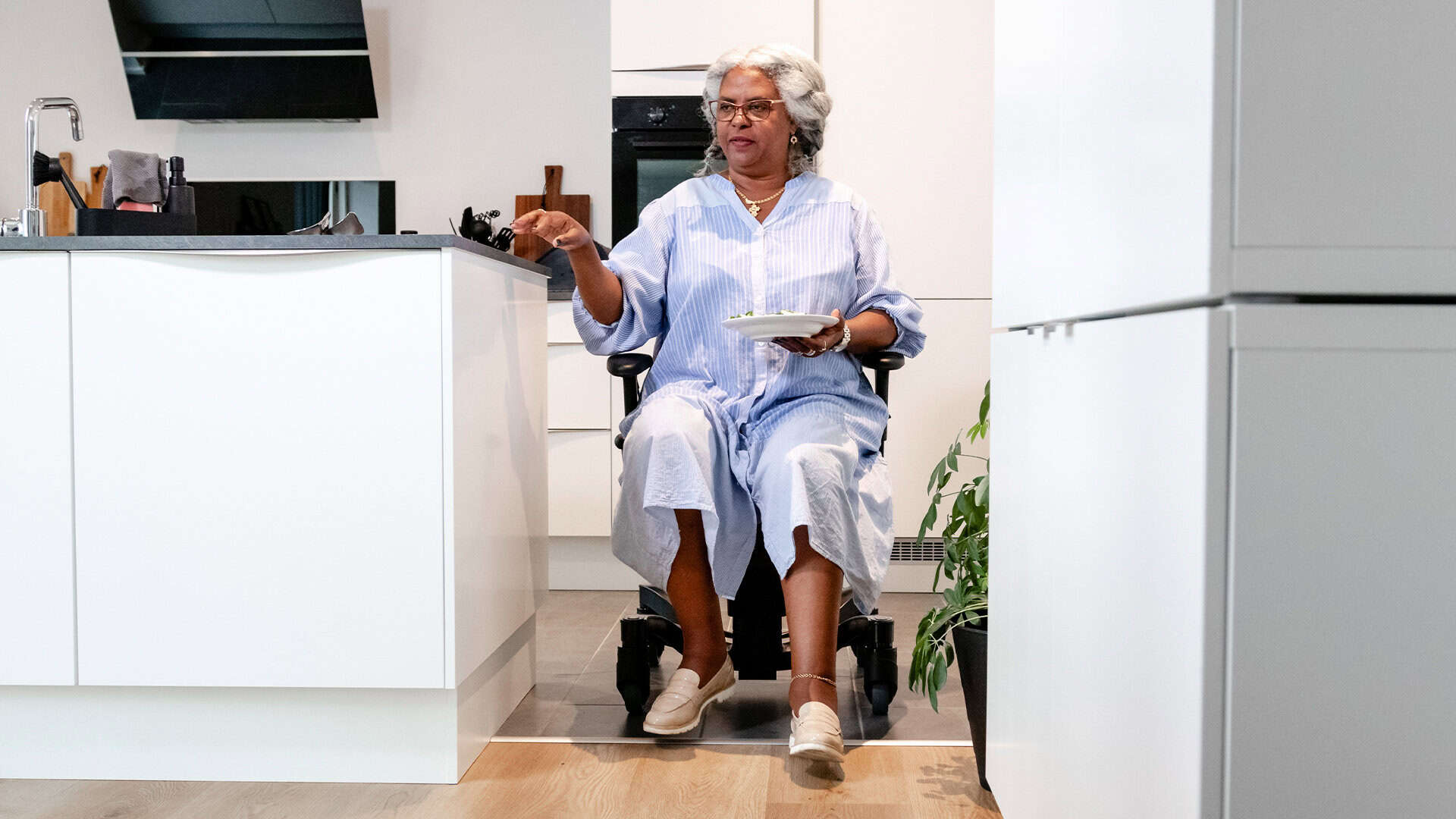
Beyond conventional nursing homes, some seniors strive to retain independence within their own homes, supplementing their environment with solutions that enhance both mobility and safety. The VELA Independence Chair emerges as a promising option to support such aspirations. This medically approved specialized mobility chair is designed specifically for home use to bolster independence among older adults. It provides excellent support for daily activities like cooking, dressing, and transferring between spaces, while also easing the burden on informal caregivers with features like its central brake for safety, electric height adjustability, and ease of movement while seated.
Recent research further highlights the evolution of assistive mobility aids through integration with smart technology. Sensor-enhanced chairs, modular components, and real-time connectivity to healthcare providers are increasingly available and help personalize support for varying mobility levels. Residents and caregivers can now expect options that deliver adjustable support, haptic feedback, and automated health monitoring, contributing to improved functional outcomes and satisfaction. Rehab Tech Institute
Making Informed Choices for Assisted Living in Brooksville
Ultimately, selecting an assisted living facility extends beyond practicalities—it’s an emotional process that requires considering personal care and financial planning. Brooksville’s variety of quality facilities ensures residents receive the safety, joy, and well-being they deserve. Facilities like the Brooksville Healthcare Center, recognized by Newsweek for excellence, exemplify the highest standards in care and integration.
Prospective residents and their families are encouraged to visit these facilities, engage with staff, and interact with current residents to find the most suitable fit. Consulting local resources and contacting facilities mentioned here can help ensure your loved ones receive the compassionate care they deserve.
Families should also inquire about the extent and type of assistive technology available within facilities, as resident acceptance and satisfaction are highest where technology use is unobtrusive, staff are well-trained, and privacy is respected. Facilities leading in smart device integration and inclusive design report enhanced resident experiences and stronger care outcomes. Harvard Health Publishing; Rehab Tech Institute
How Mobility Solutions Like VELA Make a Difference
Mobility solutions such as the VELA Chair offer valuable support for those aiming to maintain independence at home. These chairs are designed to enhance safety and improve the daily lives of seniors by addressing common challenges like falls and energy expenditure. For instance, the VELA Chair’s central brake ensures stability, while electric height adjustability facilitates easier transfers and access to various household tasks—from cooking and cleaning to simply moving around the home. By offering these features, VELA Chairs can significantly extend the period seniors can comfortably and safely remain in their own homes, thus delaying the need for more intensive assisted living arrangements.
Emerging ergonomic trends emphasize modular, customizable seating, haptic guidance, and sensor-based alerts, all contributing to more inclusive design and better rehabilitation outcomes for seniors with a range of mobility and cognitive needs. Integration with remote health provider platforms now supports early intervention and customized tele-rehabilitation, aligning with current clinical and accessibility guidelines. Mayo Clinic; WHO guidelines
While VELA represents a proven option, it’s important to explore various supportive solutions to find the best fit for individual needs and preferences. For more information, seniors and caregivers can explore mobility chairs for independence or read about help for seniors at home.