

Updated September 2025: We have updated the article with new information on AI-powered assistive devices, advances in brain-computer interface prosthetics, improved integration of mobility aids, smart home automation, safety monitoring, and inclusive design trends in senior care and assisted living.
Discovering Assisted Living in Calabasas: A Path to Quality Senior Care
Nestled in the scenic and affluent enclave of Calabasas, California, the pursuit of quality senior living is met with both luxury and attentive care. With 16.8% of the population being seniors, surpassing the regional average, Calabasas offers a prime setting for assisted living, tailored to meet the evolving needs of its mature residents. According to Data USA, the higher median household income offers a gateway to premium services, resulting in a nurturing, vibrant community for seniors.
Understanding Assisted Living Services in Calabasas
Assisted living is distinct from nursing homes and independent living, striking a balance between support and independence for seniors needing aid with daily activities but not requiring acute medical care. These communities often provide personalized care plans, routine health checks, and a bevy of amenities such as fitness facilities and organized social activities. Visit Senior Living for more details.
In recent years, assisted living facilities have seen significant enhancements in the integration of assistive technologies. AI-powered smart glasses offer real-time object and face recognition, text reading aloud, and navigation support, greatly improving independence for those with visual impairments.[1] Brain-computer interface prosthetics now allow users to control artificial limbs with their thoughts, providing more intuitive mobility support.[2] The adoption of smarter powered wheelchairs, ergonomic adaptive devices, and wearables has increased, granting seniors greater autonomy and promoting seamless integration with their daily routines.[3]
In practice, consider the journey of Mary, an 82-year-old who transitioned from independent living into assisted care due to mobility challenges and a desire for more social interaction. With personalized assistance from the staff, together with access to technology like voice-activated assistants, her days are now filled with activities and support tailored to her evolving needs, enhancing both engagement and safety.[4]
Assessing the Quality of Calabasas Assisted Living Facilities
The quality of facilities is paramount. In California, compliance with stringent licensing and accreditation ensures safety and care quality. Citation reports and quality ratings become crucial tools for families. Despite Calabasas’s higher-than-average citation rate, facilities address these promptly, striving continually for excellence. Further insights can be found at LA County Health.
Take, for instance, the meticulous approach of the Thompson family, who used these reports to discern key elements like staff attentiveness and cleanliness, ultimately selecting a facility matching their safety and care expectations. With ongoing updates in regulatory guidance, more facilities now focus on co-creation and inclusive design, collaborating with seniors to tailor environments and technologies that foster usability and satisfaction.[5]
Financial Planning for Assisted Living in Calabasas
Thorough financial planning is essential when considering assisted living, with the average monthly cost in Calabasas being approximately $4,429. This statistic is highlighted by the Southern California Association of Governments. Exploring financial assistance, such as long-term care insurance and veterans benefits, can ease the burden.
Consider the example of Mr. Williams, a retired naval officer, who alongside his family financial advisor, successfully leveraged veterans benefits to secure a living arrangement that assured quality and continuity of care without straining his resources. Increasingly, financial planning also includes budgeting for advanced mobility aids, AI-powered home support systems, and adaptive safety technologies now widely used in assisted living communities.[2]
Enhancing Mobility and Independence in Assisted Living
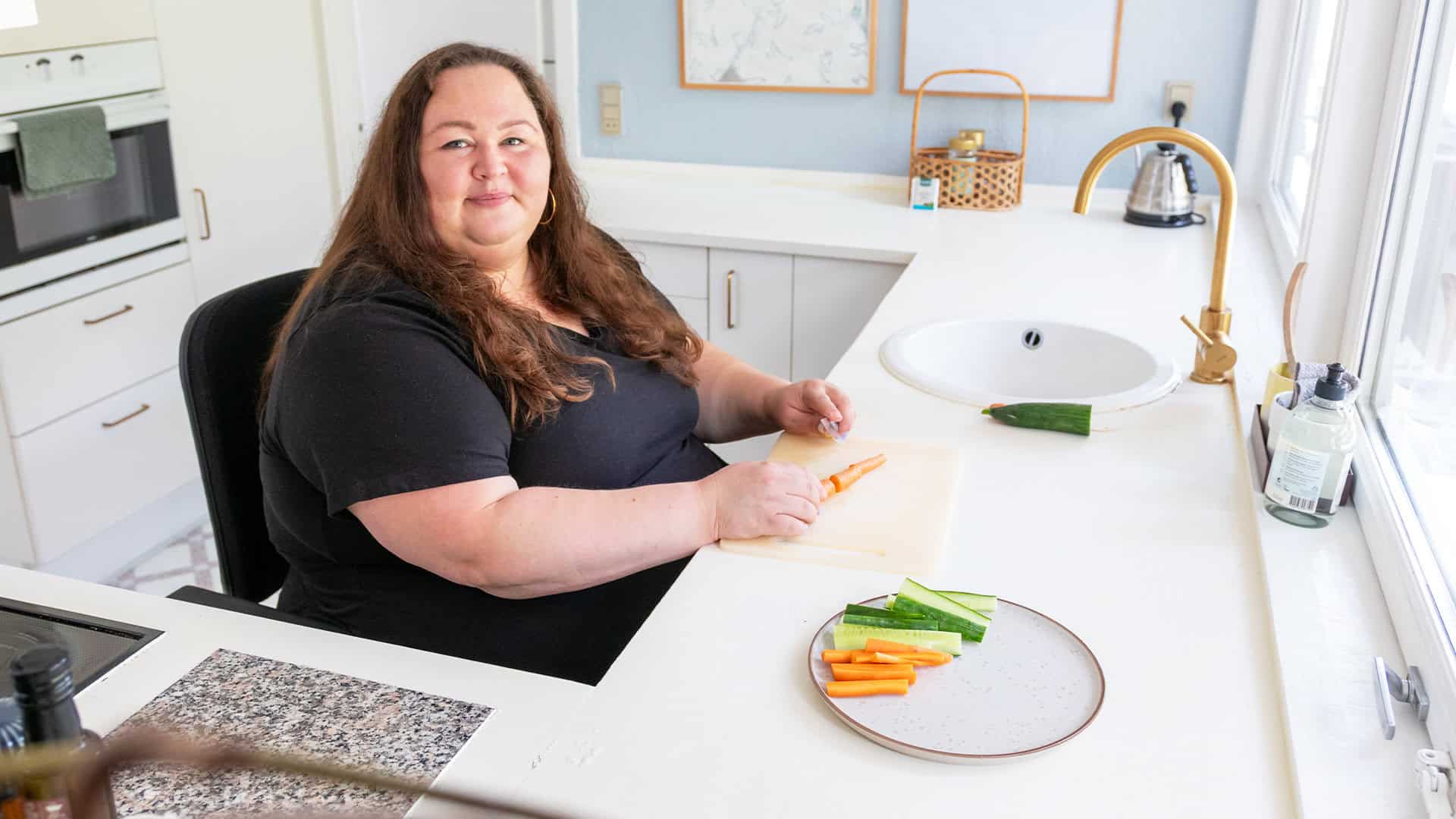
For seniors considering their future care needs, the challenges of traditional nursing homes often spark a search for solutions that maintain independence at home. One such solution is the VELA Independence Chair, a medically approved mobility chair designed specifically for home use. It provides enhanced safety with its central brake feature, freedom of movement while seated with easy maneuverability, and supports daily activities such as cooking, dressing, or transferring — all while reducing the load on informal caregivers.
Recent trends in mobility technology highlight more advanced interface options with powered wheelchairs, wearable exoskeletons, and prosthetics that further empower users through both physical and intuitive shared control.[6] Ergonomic input devices, like adaptive keyboards and hands-free controls, expand accessibility for users with limited dexterity.[6] These advances provide seniors with personalized tools to support their day-to-day independence and overall quality of life.
Envision Mrs. Johnson, a senior using a VELA chair to easily navigate between her apartment, dining with friends, and community events, all contributing to a maintained sense of independence and social interaction.
Integrating Mobility Solutions
Families assessing assisted living options should discuss the incorporation of specialized mobility aids, such as Mobility Chairs for Enhanced Independence, with facility staff to ensure a seamless integration into daily routines, enhancing comfort and autonomy. Increasingly, facilities offer support for integrating smart monitoring, memory assistive technologies (including medication reminders, GPS tracking, and fall detection), as well as AI assistants that provide context-aware information and telehealth access.[4] [7]
Comprehensive Care in Calabasas
Choosing assisted living in Calabasas means selecting a community committed to quality care, financial strategy, and fostering independence. Facilities like Belmont Village Calabasas stand out for their supportive environments. For more information, see A Place for Mom.
As families navigate these choices, they should emphasize local dynamics and strive for a transition that balances safety, comfort, and independence for loved ones, ensuring a high quality of life in this serene community. Modern assisted living also recognizes the needs of those with cognitive decline, leveraging personalized memory support and safety technologies, as well as expanding solutions for individuals with intellectual and developmental disabilities through enhanced communication tools and socially assistive robotics.[8]
Sources:
- Think Beyond the Chair (2025). The Best Assistive Tech Gadgets in 2025: Enhancing Independence Through Innovation.
- Channel Point Village (2025). How assistive technologies are shaping senior care in 2025.
- European PMC (2012 update). Recent trends in assistive technology for mobility.
- Connected Nation (2025). How technology is enhancing the well-being of older adults.
- European PMC (2025). The Role of Assistive Technology in Enabling Older Adults to Live Independently.
- Equal Accessibility LLC (2025). Innovations In Assistive Technology.
- LetsEnvision (2025). What’s Next for 2025: The Future of Assistive Technology & AI Assistants.
- Home to Home Health Care (2025). The Role of Assistive Technology in Supporting Individuals with I/DD.