

Updated September 2025: We have updated the article with the latest advances in AI-powered assistive technology, innovative mobility devices, and recent regulatory guidance supporting better access to assistive technology and coordinated care. New insights on ergonomic and adaptive design, as well as inclusive education tools, are included to reflect current options and trends for assisted living and independent living in Portland, Oregon.
Navigating the World of Assisted Living Care Facilities in Portland, Oregon
Exploring assisted living care facilities in Portland, Oregon, can be both exciting and daunting. Portland’s vibrant landscape offers a plethora of choices for seniors seeking supportive yet independent living environments. The city has seen a marked increase in its senior population, with Multnomah County alone hosting approximately 158,000 people aged 60 or older. Projections indicate that around 70% of people will require assisted living care at some point in their lives, underscoring the growing demand for such services. According to Multnomah County Board, these statistics reflect the area’s commitment to accommodating this pivotal demographic shift.
Understanding the Assisted Living Landscape in Portland
According to A Place for Mom, Portland boasts over 150 assisted living facilities in the metro area, each offering distinct packages ranging from basic support to comprehensive care. Some facilities cater specifically to seniors who wish to stay close to family, while others focus on social engagement programs aimed at fostering vibrant social communities. Portland is committed to enhancing care quality, as indicated by a 57% survey response rate from community-based care facilities, reflecting a proactive stance in adopting improvements. PDX Scholar provides insight into these developments.
Cost Considerations for Assisted Living in Portland
Financial planning is crucial when considering assisted living. The average cost of assisted living in Portland is about $6,370 per month, a figure that can vary based on neighborhood and level of care required. Room and Care explains factors influencing these costs include the local cost of living, demand, and the specific services offered. Some seniors manage expenses through long-term care insurance or veterans’ benefits, which can significantly offset costs, illustrating practical financial strategies.
Making Informed Choices: Key Factors in Selecting a Facility
Choosing the right facility involves several key considerations. Location plays a vital role, with proximity to family and medical services being top priorities. Ensuring a cultural fit and availability of necessary care services is crucial, including evaluations of staff interactions and community engagement. Licensing status and satisfaction ratings provide additional guidance, as noted by Multnomah County News. Consider the journey of a senior couple visiting different facilities to find one where their cultural background is respected, emphasizing the importance of comprehensive evaluations in making decisions.
Empowering Independence: Mobility Solutions in Assisted Living
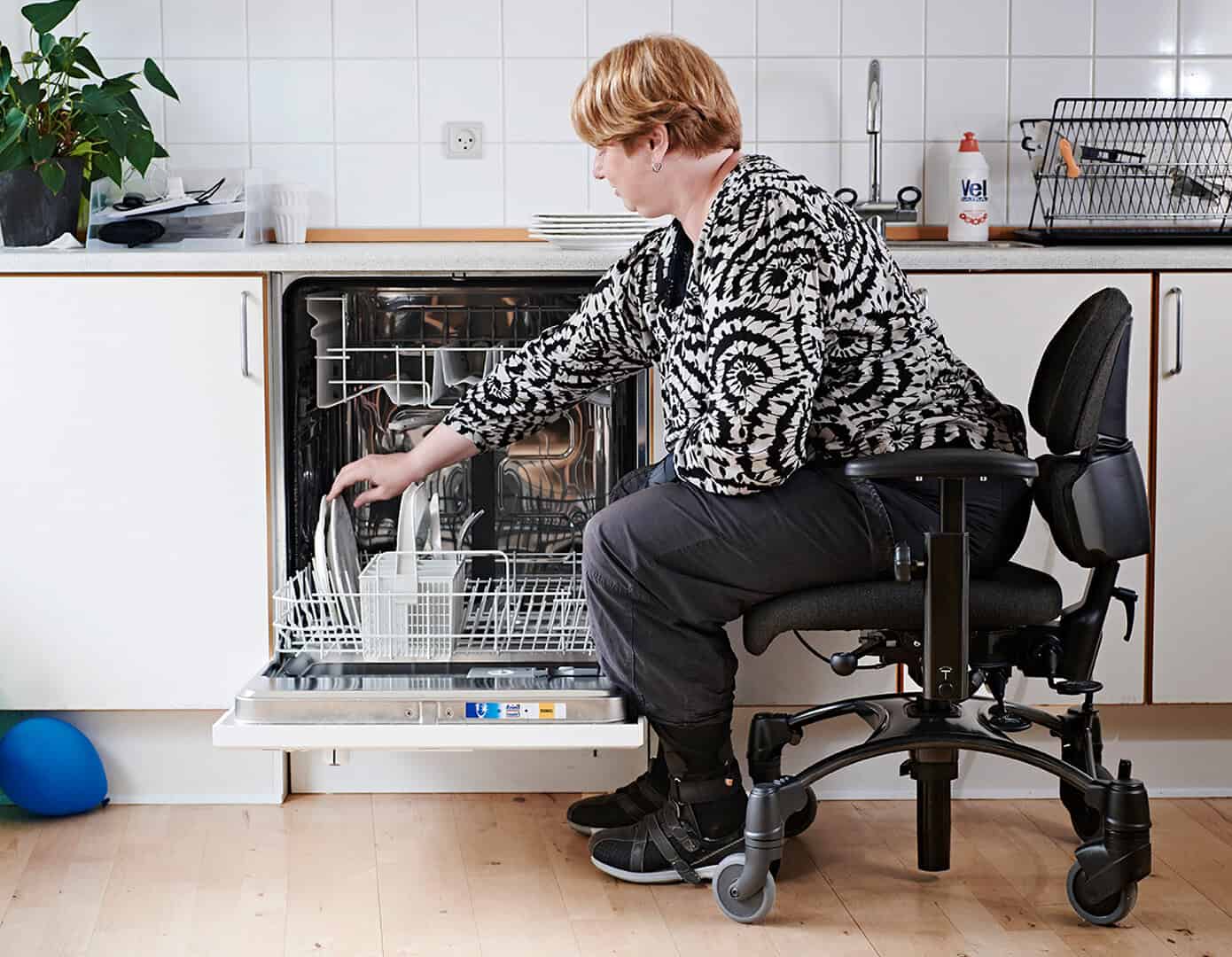
For seniors, maintaining autonomy while ensuring safety is a primary concern, especially within nursing home environments that may not always cater to their needs for independent living. Recent advances in assistive technology are redefining mobility solutions for older adults. Now, mobility aids range from the innovative VELA Independence Chair to cutting-edge smart wheelchairs equipped with AI-powered autonomous navigation and sensor-based pressure monitoring for optimal comfort and safety. These devices provide users with adaptive support and greater control over their movements, while advanced ergonomic designs—such as wearable exoskeletons and customizable input devices—enhance daily functioning and comfort for individuals with limited dexterity.
Additionally, AI-powered assistants offer real-time support by reading text aloud, recognizing objects, and assisting with navigation, benefiting users with visual or physical impairments [1][2][8].
VELA chairs continue to serve as essential medically approved solutions made for home use, offering enhanced safety and freedom of movement, support for daily activities, and a reduction in care burden on family and professional caregivers. This new generation of mobility devices upholds values of dignity, autonomy, and independence for seniors.
Portland’s diverse assisted living landscape offers numerous options tailored to various needs and preferences. Facilities range from upscale resort-style amenities to more intimate, personalized care settings. Making an informed choice involves careful consideration of financial implications and personal needs. Seniors and families must weigh preferences against available resources and future care needs to find an ideal living situation that not only offers support but also enhances the quality of life. For more in-depth guidance and expert recommendations, reference resources like Where You Live Matters. This knowledge enables families to select facilities confidently, meeting loved ones’ needs for a fulfilling senior living experience in Portland.
Supporting Aging in Place: A Practical Option
As aging in place gains popularity, mobility solutions like the VELA Independence Chair and new smart, AI-powered devices are instrumental in extending a senior’s ability to remain at home. Modern features—including central brakes, electric height adjustability, sensor-based monitoring, and user-responsive safety systems—address core challenges like safety, comfort, and energy conservation for people with varying needs [2][4][6][8].
Wearable technologies such as exoskeletons and adaptive devices like mouth-controlled mice and voice-activated systems also support independent living for those with limited mobility or dexterity [4][6][8].
Inclusive developments in education and rehabilitation, such as mixed-reality training tools and gamified assistive technology programs, further aid seniors and caregivers in managing daily activities, improving therapy engagement, and fostering social inclusion [7].
Recent clinical and state-level regulatory updates in Oregon further coordinate access to assistive devices, improving funding pathways and guidance for individuals and families navigating these resources [3][5][7]. With growing caregiver involvement via remote monitoring and dedicated apps, as well as improved user education for complex cases, families are empowered to make informed choices and facilitate optimal aging in place.
While VELA remains a proven solution, it now sits alongside a robust landscape of innovative options exemplifying how technology and design continue to support dignity, security, and independence for seniors in Portland and beyond.
- Envision community insights on AI assistants enhancing accessibility for visual impairments (2025) – letsenvision.com
- Overview of 2025 breakthrough assistive tech: AI smart glasses, brain-controlled prosthetics, and autonomous wheelchairs – thinkbeyondthechair.org (2025)
- Oregon Department of Developmental Disabilities Services: Updated Assistive Technology Worker Guide (Jan 2025) – oregon.gov
- Peer-reviewed overview of improved user-technology integration in mobility aids and robotics – PMC/NCBI (2025 update relevant)
- Community Vision Assistive Technology Lab supporting inclusive education and assistive tech adoption in Portland area – cvision.org (2024-2025)
- Equal Accessibility LLC report on assistive tech innovations including adaptive input devices and wearable prosthetics – equalaccessibility.co (2025)
- Assistive Technology Industry Association’s 2025 peer-reviewed journal covering inclusive educational tools and clinical case studies – atia.org (Spring 2025)
- Ability Montana’s 2025 review of smart wheelchairs, autonomous navigation, and sensor-based device upgrades – abilitymt.org