

Updated September 2025: We have updated the article with new findings on AI-powered assistive technologies, wearable health monitors, advanced indoor navigation solutions, inclusive and neuro-diverse design practices, and updated accessibility regulations influencing assisted living caregiving and mobility solutions.
The Essential Role of Assisted Living Caregivers: Enhancing Senior Care
As our population ages, the role of assisted living caregivers gains greater importance. These dedicated professionals are central to assisted living facilities, providing vital support with compassion and expertise. According to the Centers for Disease Control and Prevention (CDC), nearly half of the residents in these facilities are over the age of 85, with 42% dealing with Alzheimer’s or other forms of dementia. This statistic highlights the need for skilled caregivers capable of addressing complex care requirements.
Understanding the Roles and Responsibilities of Assisted Living Caregivers
Assisted living caregivers fill various roles, including personal care aides and certified nursing assistants. Each role necessitates a specific set of skills and a compassionate attitude. According to the National Alliance for Caregiving and AARP, caregivers often undergo comprehensive training and certification processes to handle residents’ diverse needs effectively.
The landscape of caregiving is evolving quickly, with technology now playing an integral role in supporting caregivers. Many caregivers now leverage AI-powered smart devices, wearable health monitors, and interactive AI assistants that offer real-time contextual support and increase autonomy for seniors1. These devices can deliver reminders, monitor movement and vital signs, and offer emergency alerts—significantly enhancing both care quality and independence for those they support.
These caregivers participate in essential daily activities such as bathing and mobility support. For instance, consider Sarah, a certified nursing assistant with years of experience working with dementia patients. She begins her mornings by engaging residents in meaningful activities, enhancing their quality of life and providing critical emotional support. With a background in geriatric care, Sarah regularly attends workshops on the latest dementia care techniques, ensuring she offers the best possible care. Innovative training increasingly includes guidance on the use of AI-driven assistive technologies and adaptive tools, reflecting the swift integration of these advancements in daily care1.6
Navigating the Transition to Assisted Living Care
Identifying when an elderly loved one requires assisted living involves several indicators, such as frequent falls or heightened forgetfulness. This transition can be emotionally challenging for families, as detailed by the American Health Care Association. A notable example is the Smith family, who initially grappled with logistical and emotional hurdles when relocating their mother into assisted care. Ultimately, they found reassurance in the professional support their mother received, which alleviated their anxiety about her safety and well-being.
Today, the use of advanced AI technologies, such as smart glasses for object and facial recognition, as well as devices with indoor navigation powered by AI, LiDAR, or Bluetooth, helps residents safely navigate facilities and reduces disorientation1. These high-tech solutions also support caregivers in monitoring safety, detecting falls instantly, and providing tailored interventions as needed2.5
Evaluating a facility’s caregiver-to-resident ratio is crucial, as it directly impacts the quality of care. A lower ratio usually equates to more personalized attention to residents’ individual needs. The integration of AI-powered monitoring and communication tools further helps caregivers manage more residents effectively while maintaining individualized support1.3
Financial Planning for Assisted Living Caregiving
Financing assisted living can be overwhelming, but several options can reduce the financial burden. As outlined by the Institute on Aging, insurance and government support programs, such as the Aid & Attendance Pension Benefit for veterans, are essential financial resources. Many families also consider caregiver compensation options to manage costs effectively.
The expansion of AI-enabled health monitoring and smart home integration is contributing to reduced institutionalization risks and providing more options for at-home care2.5. This allows some seniors to postpone or avoid the financial commitment of assisted living by relying on advanced home care solutions that support ongoing independence.
For example, the Johnson family conducted thorough research on available benefits and strategically combined government assistance with private insurance to cover their father’s living expenses. This financial planning ensured he received high-quality care without causing family financial stress.
Cultural Considerations in Assisted Living Care
Diversity among caregivers and residents necessitates culturally sensitive care approaches. The National Alliance for Caregiving emphasizes understanding cultural backgrounds to improve communication and trust in care environments. Caregivers often face language barriers requiring innovative solutions.
In one instance, a facility with a multicultural caregiving staff implemented a variety of multilingual communication tools. This development greatly improved the care experience for non-English-speaking residents, ensuring clear communication and building trust. AI-driven communication technologies, including multilingual support in devices and AI-powered assistants, are making significant contributions to bridging language gaps and addressing cultural needs for both caregivers and residents1.3.
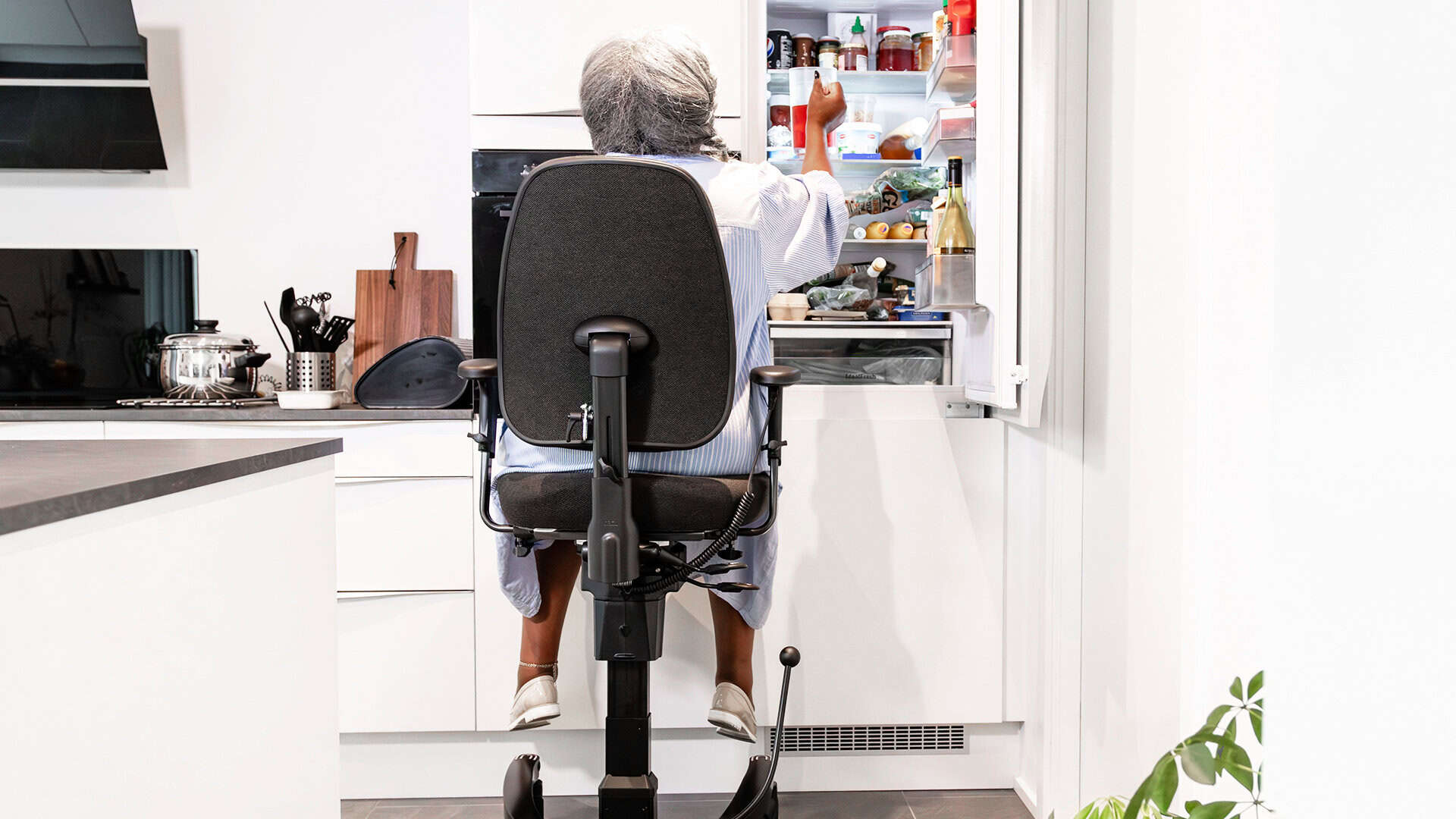
As we explore challenges associated with assisted living environments, it’s important to consider alternative solutions that foster independence for seniors within their own homes. Many older adults strive to maintain their autonomy, even when faced with mobility challenges. The VELA Independence Chair is one such innovation offering significant benefits. This medically approved mobility chair is designed for home use, providing enhanced safety and freedom of movement while seated. By supporting daily activities like cooking, dressing, or transferring, VELA reduces the burden on informal caregivers and allows seniors to live more independently in their homes.
Assisted living caregivers are crucial to senior care, providing not only physical care but also emotional support. Their efforts ensure residents receive compassionate care that preserves their dignity and enhances their quality of life. As families consider senior care options, understanding these caregivers’ pivotal roles is essential for making informed decisions. Authoritative sources and real-world experiences demonstrate the invaluable contribution of caregivers in improving seniors’ lives in assisted living communities.
Staying independent at home is a viable option for many seniors when equipped with the right tools. VELA Chairs can greatly prolong a person’s ability to live independently, offering features that address safety, energy conservation, and efficient transfers. When using a VELA chair, seniors experience immediate safety benefits like a central brake, which prevents accidental rolls, and electric height adjustability for ease in standing safely. The added ease of movement while seated enables seniors to partake in everyday tasks such as cooking or relaxing with greater ease, thereby delaying the potential need for more intensive nursing home care. While VELA chairs are not the sole solution available, they are a tested and practical support system. By integrating such mobility solutions, families can enhance the quality of life for their loved ones while preserving cherished independence.
Latest Trends in Assistive Technology and Inclusive Design
Recent trends show a significant shift toward AI-powered assistive technologies, wearable health devices, and interactive AI assistants that transform how seniors and caregivers interact and maintain independence. AI-driven smart glasses and wearables now offer object recognition, facial expression detection, multilingual support, and indoor navigation, greatly improving mobility and interactive experiences for seniors, especially those with visual impairments1.3.
Adoption of inclusive and neuro-diverse design principles is on the rise, considering physical, sensory, and cognitive accessibility needs. Updated standards like WCAG 3.0 are driving more user-focused accessibility requirements in both digital and product environments, which benefits caregivers and residents alike6. These advances ensure that tools, devices, and care environments become more flexible, intuitive, and supportive of the diverse aging population.
The assistive technology market is rapidly expanding, with continual innovation in AI-based prosthetics, sensory wearables, and smart home integration for health monitoring and safety. This market growth is driven by the increasing need for effective solutions as populations age and chronic conditions become more prevalent2.5.4. For families and professionals navigating care options in 2025 and beyond, staying informed about these emerging trends is key to delivering optimal senior care.
- Florida Reading: “Top Assistive Tech Trends for the Visually Impaired in 2025” — details AI smart glasses and indoor navigation tech.
- Cognitive Market Research: “Assistive Technology Market Report 2025” — overview of AI, IoT integration, and aging-in-place technology trends.
- LetsEnvision.com: “What’s Next for 2025: The Future of Assistive Technology & AI Assistants” — insights on AI assistants revolutionizing assistive tech.
- Accessibility.com & World Intellectual Property Organization (WIPO): Market size and innovations in autonomous wheelchairs, prosthetics, and sensory wearables.
- NextMSC.com: “Disabled and Elderly Assistive Device Market 2025–2030” — forecast, AI wearables, and smart home integrations for independent living.
- ContinualEngine.com: “15 Digital Accessibility Trends to Watch in 2025” — updates on WCAG 3.0, neuro-diverse and inclusive design, voice navigation, and focus on senior usability.