

Updated February 2026: We have updated the article with the latest advances from CES 2026, including AI-driven mobility aids such as navigation glasses for the blind, power-assist wheelchair attachments, all-terrain AI power chairs, and multimodal accessibility technologies like haptic wearables and voice interfaces. The content now includes current trends and innovative prototypes that enhance independence and daily comfort for seniors and individuals with mobility challenges in Casa Grande, Arizona.
Comprehensive Guide to Assisted Living in Casa Grande, Arizona
Given the growing senior population in Casa Grande, Arizona—where 20.31% of residents are aged 65 or older—there is a compelling need for comprehensive and reliable information on assisted living options. Living a comfortable and supported life during one’s golden years often hinges on crucial choices about care facilities. As families explore possibilities, understanding the unique offerings in Casa Grande becomes essential, particularly considering financial factors like the area’s average assisted living cost of $3,975 per month, which is lower than the national average. According to Paying for Senior Care, this cost can alleviate financial stress compared to locations with higher pricing.
Understanding Assisted Living Needs in Casa Grande
For seniors in Casa Grande, securing assistance for daily activities while retaining as much independence as possible is a common goal. Typical needs include personal care, medication management, and support with housekeeping. For instance, a senior with arthritis might need help with medication schedules and household chores but could manage bathing or dressing independently in a suitably adapted bathroom. According to Casa Grande Assisted Living Home, personalized assistance plays a pivotal role in enhancing the quality of life by balancing autonomy with the needed support.
Emerging assisted living solutions now increasingly focus on integrating real-time, AI-powered assistive devices and digital health technologies, supporting seniors and staff in managing daily routines more efficiently. Modern assistive technologies such as AI-enabled mobility aids and wearable health monitors enable proactive health tracking and personalized support, improving resident safety and independence while streamlining care coordination.[1] [2] [4]
Top Assisted Living Facilities in Casa Grande
The Garnet of Casa Grande
This premier facility emphasizes providing vibrant living experiences tailored to personal well-being. The Garnet boasts Spanish-inspired architecture and amenities like a pool, theater, library, and fitness center, making it an enticing option for many. According to The Garnet of Casa Grande, residents receive holistic care aimed at ensuring both physical and mental wellness. Facilities are also increasingly considering user-centered and ergonomic design principles in remodeling spaces and integrating new technologies to support mobility, social engagement, and safety within the assisted living setting.[6]
Caliche Senior Living
Caliche Senior Living offers a unique approach to wellness, including memory care and temporary stays for those recovering post-hospitalization or requiring respite care. Their emphasis on well-being programs is complemented by dining services with diverse menu options from gluten-free to vegan meals. According to Caliche Senior Living, new residents enjoy promotional offers easing the financial transition. Facilities like these are increasingly adopting digital and AI-powered monitoring systems to personalize care, optimize medication reminders, and offer additional safety features. These adaptations align with the trends supporting independent living and tailored health management for residents.[5] [7]
Financial Considerations and Payment Options
Understanding the cost dynamics of assisted living in Casa Grande is crucial for many families. While the average cost of $3,975/month aligns closely with the state median, payment plans must be thoughtfully considered. Options include private payments, long-term care insurance, and ALTCCCS—Arizona’s Medicaid program. According to Paying for Senior Care, leveraging these options can significantly ease financial burdens.
Integrating Mobility Solutions for Enhanced Independence
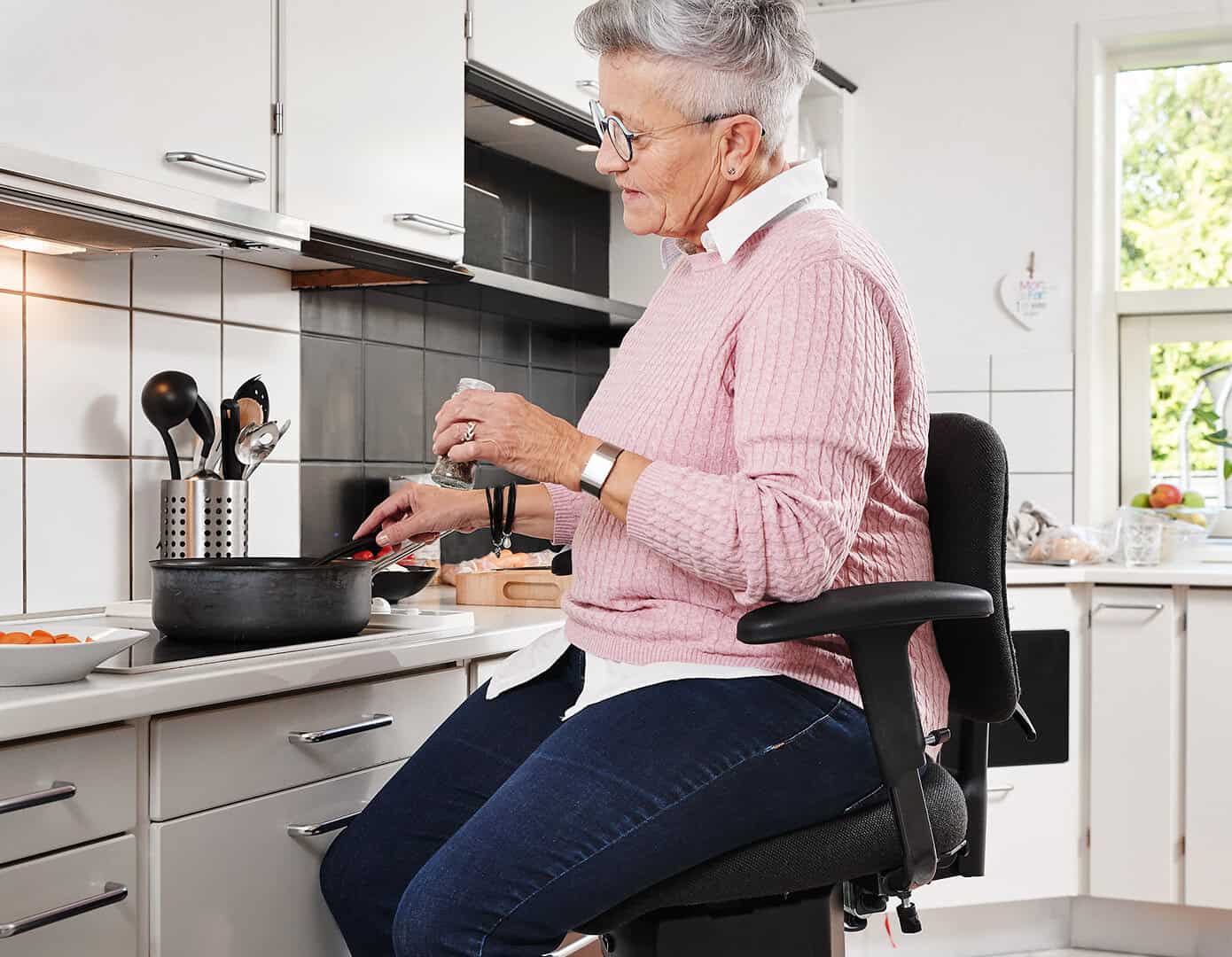
Nursing homes and assisted living facilities can sometimes limit the privacy and autonomy seniors cherish. However, solutions like the VELA Independence Chair allow older adults to maintain a higher level of independence within their own homes. VELA is a medically approved mobility chair designed for home use, enhancing safety and freedom of movement while seated. Its features support daily activities such as cooking, dressing, or transferring, effectively reducing the physical and emotional load on informal caregivers. By providing adjustable seating and movement capabilities, VELA helps bridge the gap between needing full-time care and living independently. For more on such innovative solutions, explore Supportive Living Options for Seniors.
Modern mobility solutions are evolving rapidly, with AI-powered and sensor-equipped assistive devices becoming increasingly available. Notably, recent advancements include CES 2026 technologies such as AI-powered navigation glasses for the blind, portable power-assist add-ons for manual wheelchairs, and all-terrain AI-powered power chairs with stair-climbing capabilities. Systems like MaaS-Bridge provide safer ways for wheelchair users and seniors to transition between vehicles and sidewalks. Wearable assistive devices employing computer vision, haptic feedback, and voice interfaces further enhance daily independence, comfort, and safety.[9] [10] [11] These technologies allow for real-time health and safety monitoring, encourage proactive support, and provide adaptive ergonomics to meet the unique needs of each user. Integration with smart home environments and multi-modal AI systems further enhances independence and ease of daily living for seniors with varied dexterity or cognitive levels.[3] [4] [8]
Evaluating the Best Assisted Living Choices in Casa Grande
When choosing an assisted living community, several factors should guide decisions. From assessing facility reputation and cost transparency to observing staff interactions and community engagement levels, every detail counts. Prospective residents and their families must weigh lifestyle preferences alongside care needs and financial capability. According to the Arizona Department of Health Services, it is vital to examine licensing and health inspection reports to ensure compliance with senior care standards.
Recent clinical and regulatory guidelines prioritize ethical and user-centered design in the adoption of advanced assistive technologies for seniors, emphasizing privacy, transparency, and seamless interoperability. These standards ensure new devices and programs are accessible, safe, and aligned with real-world needs while supporting the shift toward personalized and connected care solutions. Integrating these innovations into the evaluation process can help families make decisions that are future-ready and closely matched to evolving care options.[4] [6]
By thoroughly evaluating assisted living options, seniors and their families can make well-informed choices that honor preferences and priorities, fostering well-rounded and fulfilling living experiences.
Supporting Aging in Place: A Practical Option
For seniors wishing to remain in the comforts of their own homes, mobility solutions like the VELA Independence Chair offer an appealing alternative to nursing homes. These chairs are specifically designed to aid those with reduced mobility by providing essential features such as a central brake for safety, electric height adjustability, and ease of movement while seated. Such capabilities are crucial for assisting with daily tasks including cooking and cleaning, preserving dignity, and enhancing freedom. By reducing the physical strain on seniors and their caregivers, VELA Chairs not only help extend the period of independent living but also delay the necessity of moving into nursing facilities. While VELA is not the only solution available, it stands out as a proven and practical approach to aging in place. For more detailed information on how mobility chairs can aid independence, visit Mobility Chairs for Daily Tasks.
Additionally, the incorporation of personalized, wearable health monitors and AI-driven platforms is revolutionizing aging in place by supporting preventive care, real-time health tracking, and data-driven rehabilitation for seniors. The latest trends, as seen at CES 2026, integrate wearable haptic and voice-guided technologies, AI-powered captioning and image descriptions, as well as multi-sensory communication tools, all designed to improve physical mobility, cognitive support, and accessibility for diverse abilities.[11] This approach not only improves physical mobility and pain prevention but also lends itself to flexible and adaptive care planning in the home environment, fostering independence and better quality of life.[5] [6]
Sources for updates:
- Let’s Envision: Future of Assistive Technology & AI Assistants (2025)
- Accessibility.com & WIPO Report on assistive technologies innovations (2023-2025)
- Mordor Intelligence: Assistive Technologies For Visually Impaired Market (2025)
- Digital Learning Institute: Role of AI in Assistive Technology (2025)
- Simplilearn: New Technology Trends including Wearable Health Monitors (2026)
- StartUS Insights: Technology Trends in Longevity and Rehabilitation (2026)
- CES Accessibility Trends & Innovations (2026 previews)
- SEN Teacher Training: Assistive Tech Trends in 2026 for Special Needs Education
- CES 2026: Ten Technologies (2026)
- CES 2026: 4 Assistive Technology Exhibitors to Watch (2026)
- Accessibility Trends to Watch in 2026 (2026)