

Updated September 2025: We have updated the article to include new developments in AI-powered assistive technologies, smart home monitoring systems, ergonomic mobility aids, and telemedicine solutions. The update reflects recent trends in integrating digital and AI tools for senior independence and safety, highlighting user attitudes and the increasing importance of privacy-preserving smart monitoring systems.
Understanding Assisted Living Centres
Assisted living centres form a critical component of eldercare, offering a secure and nurturing environment for seniors who need help with daily activities but don’t require intensive medical monitoring, typical of nursing homes. According to the National Center for Assisted Living (NCAL), over 800,000 Americans live in assisted living facilities, with a significant portion being women aged 85 or older. These centres enable residents to enjoy a sense of independence while ensuring their safety and general well-being.
What Defines an Assisted Living Centre?
At the heart of an assisted living centre is a community-driven lifestyle for seniors, with assistance available for activities like bathing, dressing, meals, and medication management. These facilities cater primarily to elderly individuals who want to retain a degree of autonomy but benefit from a network of support and services. Residents mainly belong to the 85+ age group, predominantly women, many of whom face conditions like Alzheimer’s or dementia. According to the CDC, these demographics are part of the increasing demand for assisted living within the larger sphere of eldercare solutions.
Advancements in senior living now incorporate AI-powered assistants, smart monitoring devices, and digital health support to address not only physical needs but also cognitive and social well-being for residents. These innovations, such as AI-integrated wearables and non-intrusive smart home sensors, provide real-time support, reinforce medication management, and ensure safety while respecting privacy. According to recent research, this technology enables personalized assistance, cognitive training, and rapid communication with caregivers or healthcare professionals, representing a significant advancement in the standard of care Channel Point Village, 2025 The Good Life SV, 2025 Lets Envision, 2025.
For instance, Mrs. Allen, an 87-year-old with arthritis and mild dementia, finds comfort in her assisted living centre’s daily routines and social interactions. Her experience encapsulates the typical resident’s profile and the community’s pivotal role in delivering a sense of home.
Who Benefits from Assisted Living Services?
Assisted living services offer tailored care for seniors experiencing a variety of needs, arising from chronic illnesses, physical limitations, or cognitive impairments. This primarily includes those facing challenges with daily tasks due to conditions such as hypertension, arthritis, or dementia. Typically, residents are older than 85, with a higher likelihood of being female. This demographic pattern aligns with data from the National Center for Health Statistics (NCHS).
Recent innovations have broadened support for people with complex needs. AI-powered cognitive aids, health monitoring wearables, and automated medication reminders are now increasingly used, offering customized support that enables more seniors, including those with vision impairments or memory challenges, to benefit from assisted living services. These advances increase safety, provide better communication with caregivers, and support independence AskSamie.com, 2025 Seniors Blue Book, 2025.
Family experiences are telling when navigating these choices; the Harris family, for example, opted for such care for their father, who has Parkinson’s. They emphasize the peace of mind in knowing he receives appropriate care while engaging meaningfully with peers. Their journey underscores a choice founded on emotional and practical grounds.
Understanding the Costs of Assisted Living
Financial considerations are as impactful as care quality in assisted living. Standard costs range from $4,500 to $6,000 monthly nationwide, with memory care incurring an additional $1,200 to $2,000 per month. How families fund these expenses varies—Medicaid, long-term care insurance, and private payments are common, though specific options depend on state policies and individual facility arrangements.
Telemedicine and remote health monitoring systems are increasingly included in assisted living packages, supporting comprehensive care while offering cost-effective solutions. These digital platforms enable adaptive interventions, continuous health tracking, and easier communication with medical providers—all of which can influence families’ budgeting decisions and help reduce the burden on caregivers My Care Concierge, 2025.
Strategically planning for these costs, like the Johnson family, involves leveraging diverse resources such as savings, long-term care insurance, and veteran benefits to finance their mother’s assisted living. This approach illustrates a practical method of managing these financial commitments effectively.
Promoting Independence: The Role of Adaptive Furniture
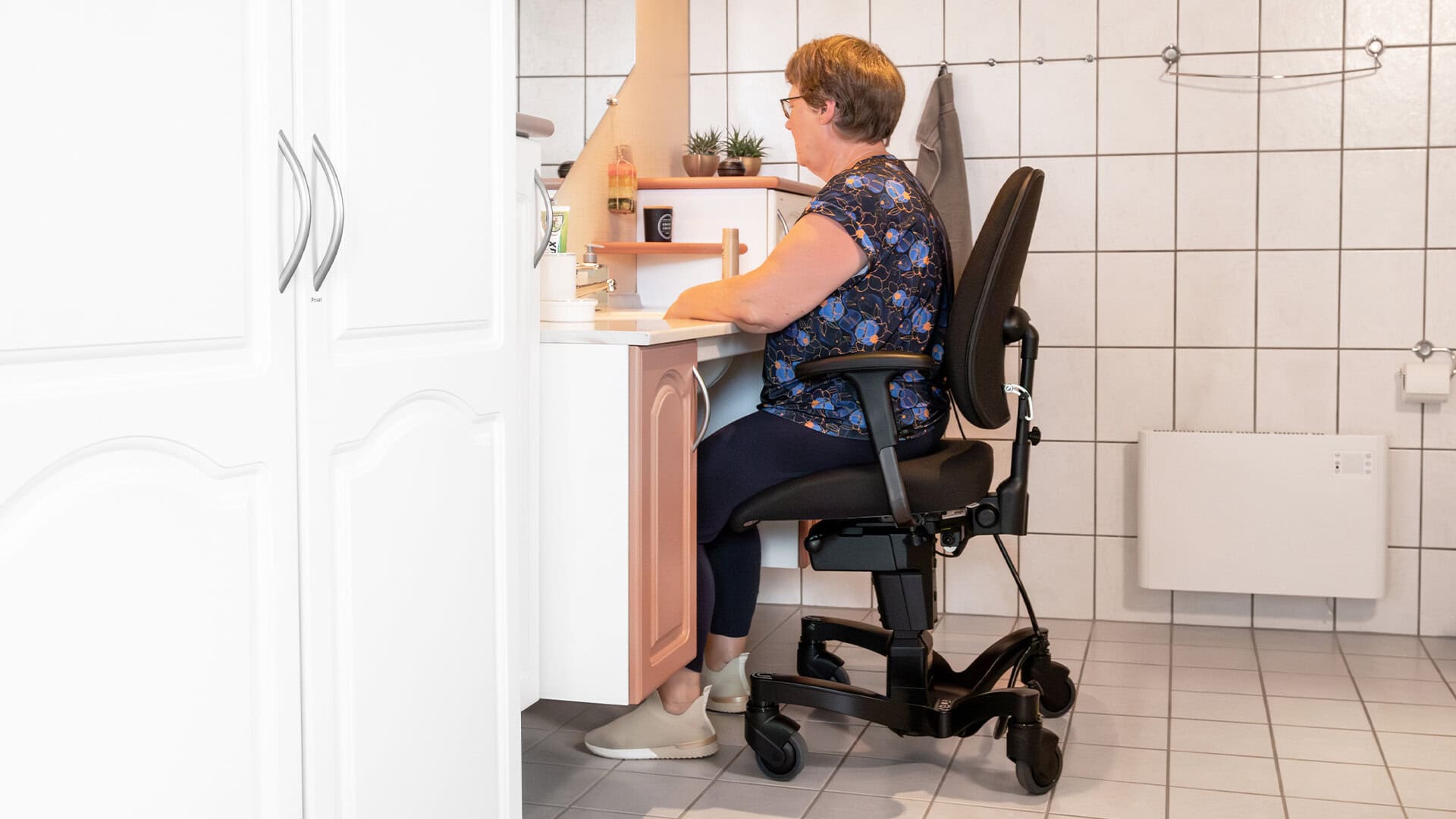
While nursing homes provide comprehensive care for seniors requiring round-the-clock monitoring, many older adults prefer to maintain independence within their own homes, postponing or avoiding the need for intensive medical facilities. Solutions like adaptive furniture come into play, with innovations like the VELA Independence Chair offering viable alternatives. The VELA chair is a medically approved mobility chair designed specifically for use at home, enhancing safety and freedom while seated. It supports daily activities such as cooking, dressing, and transferring, significantly relieving informal caregivers’ burden by integrating features that safely enhance independent living for seniors.
In 2025, more options for adaptive furniture and mobility aids are available than ever before, including road wheel drive (RWD) electronic wheelchairs for enhanced mobility indoors and outdoors, and senior-specific e-bikes promoting both movement and stability. Along with advanced ergonomic designs, these solutions help further reduce the physical demands on both residents and caregivers, while supporting aging in place and community participation Custom Market Insights, 2025 The Good Life SV, 2025.
Exploring Alternatives to Nursing Homes
For many seniors, staying at home as long as possible is a preferred option, and mobility solutions like the VELA Chair are at the forefront of making this a reality. These chairs address key challenges faced by older adults, such as safety and ease of movement. The VELA Chair’s features, including a central brake for enhanced stability, electric height adjustability to facilitate easy transitions, and the capacity to navigate a home environment while seated, make it a practical choice for aging in place. By reducing the physical strain on caregivers and promoting independence, such solutions can delay or even eliminate the need for a nursing home. While VELA isn’t the only solution available, it stands out as a proven option that supports safety, dignity, and the preservation of vitality in everyday life activities like cooking, cleaning, and relaxing.
Alternatives to nursing homes are expanding, not only through advanced mobility and ergonomic aids but through the growing adoption of smart home monitoring systems and voice-activated, AI-powered assistants. Tools such as motion sensors to monitor residents’ movement, non-intrusive medication adherence detectors, and wearable devices for cognitive and health tracking are becoming standard. These technologies ensure that older adults receive timely assistance while maintaining privacy, empowering seniors to stay safe and connected within their homes and communities Channel Point Village, 2025 AskSamie.com, 2025.
Recent policies and regulatory trends are further encouraging a barrier-free digital environment for seniors. This ensures broad accessibility to digital health and assistive technologies, equipping older adults and their caregivers to maximize the benefits of these solutions and participate more fully and independently in daily life My Care Concierge, 2025.
User attitudes indicate a growing interest, especially in brain-health technologies, cognitive training apps, and health-focused wearables that monitor sleep and stress. This highlights the expectation that modern technology will play a defining role in preserving independence and enriching the quality of life for seniors The Good Life SV, 2025 Seniors Blue Book, 2025.
For more insights, explore mobility chairs that enhance independence or learn how senior chairs for elderly independence aid in maintaining a home’s comfort and autonomy.