

Updated September 2025: We have updated the article to reflect recent advances in assistive technology for seniors, including AI-driven devices, smart mobility aids, innovative rehabilitation tools, and new guidelines from global authorities promoting accessibility and independence.
Comprehensive Guide to Assisted Living in Chevy Chase, MD
Chevy Chase, Maryland, presents itself as an ideal location for senior living facilities, boasting demographics and affluence that strongly support the needs of the elderly community. This guide delves into the specifics of assisted living in this area, offering detailed insights into demographics, top facilities, costs, and mobility solutions.
Demographic Insights of Chevy Chase
Chevy Chase hosts a population with unique demographics ideal for senior living. According to Data USA, the median age in the area is 50.7 years, substantially higher than both the state and national averages. This indicates a substantial proportion of the population might soon be seeking senior care options. The community is affluent, with a median household income of $213,764, as reported by AreaVibes, indicating residents are well-positioned to afford premium care. With a 75.6% homeownership rate, residents of Chevy Chase often demand high standards in assisted living facilities.
Understanding the Options: Top Assisted Living Facilities
The array of assisted living facilities in Chevy Chase offers families a variety of choices. Facilities like Sunrise of Chevy Chase are renowned for their outstanding service. According to A Place for Mom, Sunrise accommodates the specific needs of residents through personalized care plans and a well-regarded dining program that focuses on fresh and nutritious food. Additionally, Arden Courts provides specialized memory care, earning high reviews for its dedicated services, particularly for those with cognitive impairments.
Costs and Considerations for Assisted Living
Exploring assisted living involves understanding the financial aspects as well. According to SeniorAdvice, the average monthly cost is about $5,806, reflecting the area’s high living standards. Pricing varies based on floor plans, care levels, and additional services like medication management. For example, a senior resident choosing a larger suite with comprehensive service packages can expect higher monthly expenses. Understanding these variables is crucial for families planning for long-term care.
Enhancing Mobility and Independence
The landscape of mobility and independence for seniors is evolving rapidly thanks to major innovations in assistive technology. New AI-powered devices, such as smart glasses, now provide real-time environmental descriptions and facial recognition to help those with visual impairments navigate their surroundings independently ThinkBeyondTheChair.org. In addition, brain-computer interface (BCI) controlled prosthetics are beginning to offer more natural and intuitive limb movement, further enhancing autonomy for users EqualAccessibility.co.
Smart wheelchairs now incorporate autonomous navigation, posture monitoring via sensors, and customizable controls, promoting safety and ease of use without requiring full device replacement AbilityMT.org. Robotic self-feeding devices further empower individuals with upper extremity limitations by enabling them to eat independently, supporting both physical health and social inclusion ATIA.
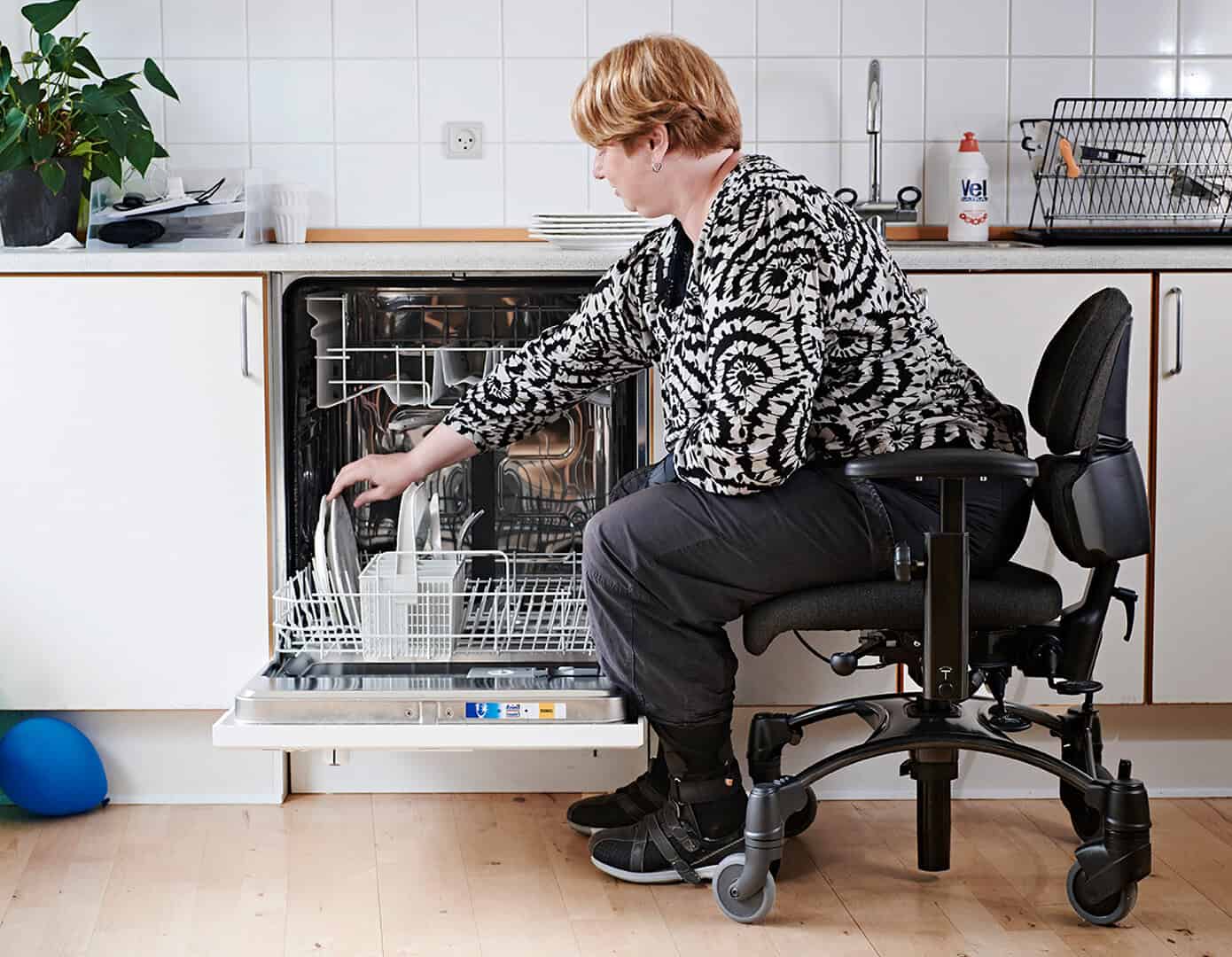
Importantly, ergonomic improvements and user-centered design are now central in assistive devices, offering better comfort, customization, and enhanced shared control between user and technology EqualAccessibility.co. These developments are making options like the VELA Independence Chair, alongside AI-powered solutions, increasingly integral for maintaining day-to-day independence and reducing the reliance on informal caregivers.
Recent health policy guidelines from the World Health Organization underscore the importance of accessibility, affordability, and comprehensive integration of assistive products in senior care. The focus now includes improved training for healthcare professionals and boosting public awareness about available technologies World Health Organization.
Navigating Choices and Making Informed Decisions
Choosing an assisted living facility involves careful evaluation to meet specific needs:
- Level of Care: Consider the current and potential future care requirements.
- Location: Proximity to family and healthcare providers can provide convenience and peace of mind.
- Costs: Ensure an understanding of included services and extra charges.
- Reputation: Review testimonials and third-party ratings for insights into service quality and resident satisfaction.
During facility tours, families should ask about staff qualifications, safety measures, and daily routines. Practical scenarios, like observing meal service or emergency drill implementation, can provide insights into day-to-day operations.
Supporting Aging in Place: A Practical Option
The potential for aging in place is expanding due to advanced assistive and rehabilitation technologies. Staying independent at home longer is an aspiration for many seniors, and this is increasingly achievable with tools like the VELA Chair, smart mobility devices, and robotic assistance for daily activities ThinkBeyondTheChair.org. VELA mobility chairs for elderly support are expertly crafted to maximize safety with features like a central brake and offer electric height adjustments for ease of transfers. These advanced seating and mobility solutions help manage everyday activities with dignity and efficiency. By promoting safer movements and reducing physical strain, modern ergonomic devices provide significant energy savings for seniors and lessen the burden on caregivers EqualAccessibility.co.
Although such innovations are among many available, they are now proven, versatile options that can delay the need for more intensive care settings like nursing homes, supporting a fulfilling, independent lifestyle within the comfort of one’s own home. Chairs supporting seniors living independently not only provide immediate practical benefits but also emphasize longer-term sustainability in aging care.
References:
- ThinkBeyondTheChair.org: The Best Assistive Tech Gadgets in 2025
- EqualAccessibility.co: Innovations in Assistive Technology
- AbilityMT.org: Exciting Assistive Technology for People with Disabilities
- ATIA: Robotic Self-feeding and Advanced Eyewear Studies
- World Health Organization: Assistive Technology Fact Sheet 2025