

Updated September 2025: We have updated the article with recent developments in assistive technologies for elderly care, including AI-driven devices, smart wearables, robotic and 3D-printed mobility aids, advances in telehealth and remote monitoring, and regulatory trends supporting digital inclusion and aging in place for seniors.
Assisted Living CNAs: The Heart of Elderly Care
The Certified Nursing Assistant (CNA) plays a foundational role in assisted living, where their responsibilities extend beyond providing basic care to fostering an environment that promotes wellness and comfort for elderly residents. According to the U.S. Bureau of Labor Statistics, as of 2022, CNAs in assisted living facilities earn a median salary of $37,230. This article delves into the essential duties of CNAs, the residents they serve, and how they are vital in enhancing the quality of life, underscoring the fulfillment found in this career path.
The Daily Duties of an Assisted Living CNA
CNAs in assisted living are responsible for a wide range of tasks that ensure residents’ needs are met with compassion and efficiency. They assist with Activities of Daily Living (ADLs) like bathing, dressing, and feeding. Their approach is customized, focusing on personalized, long-term care, aligning their methods to each resident’s unique needs. According to AllAlliedHealthSchools, key skills include empathy, patience, and endurance, casting CNAs as integral in upholding the dignity and wellbeing of elderly residents. For instance, a CNA may support a resident with dementia in maintaining daily routines, an illustration of their crucial role in ensuring a safe and supportive living environment.
Understanding the Residents of Assisted Living
Residents in assisted living facilities are often 75 years or older and may live with conditions such as Alzheimer’s or diabetes. These demographics highlight the importance of socio-economic factors in influencing care options. Families seek facilities that provide high-quality, personalized support for managing chronic conditions effectively. The National Institute on Aging specifies that CNAs need both medical proficiency and emotional intelligence to cater to residents’ medical and emotional needs effectively.
Enhancing Quality of Life for Residents
CNAs are crucial to improving both the emotional and physical quality of life for residents. They contribute by facilitating social interactions among residents and preventing feelings of isolation, essential for mental health. CNAs are trained to manage hazardous situations, such as fall prevention, creating a safe environment. Research in the Journal of the American Geriatrics Society indicates that higher CNA staffing levels are associated with better resident outcomes, emphasizing the necessity of their services.
Navigating State and Federal Regulations
State and federal regulations mandate that CNAs acquire specific certifications and pursue ongoing training, which varies across states. These protocols are designed to prevent elder abuse and confirm resident safety. For example, California stipulates continuous CNA education on elder care and safety. According to the California Department of Social Services, such training assures families of the competence and preparedness of the caregivers. Recent regulatory developments have also made telehealth a standard element of senior care, with requirements updated to encourage the integration of virtual consultations and remote patient monitoring for greater continuity of care (My Care Concierge).
Exploring the Role of Mobility Solutions
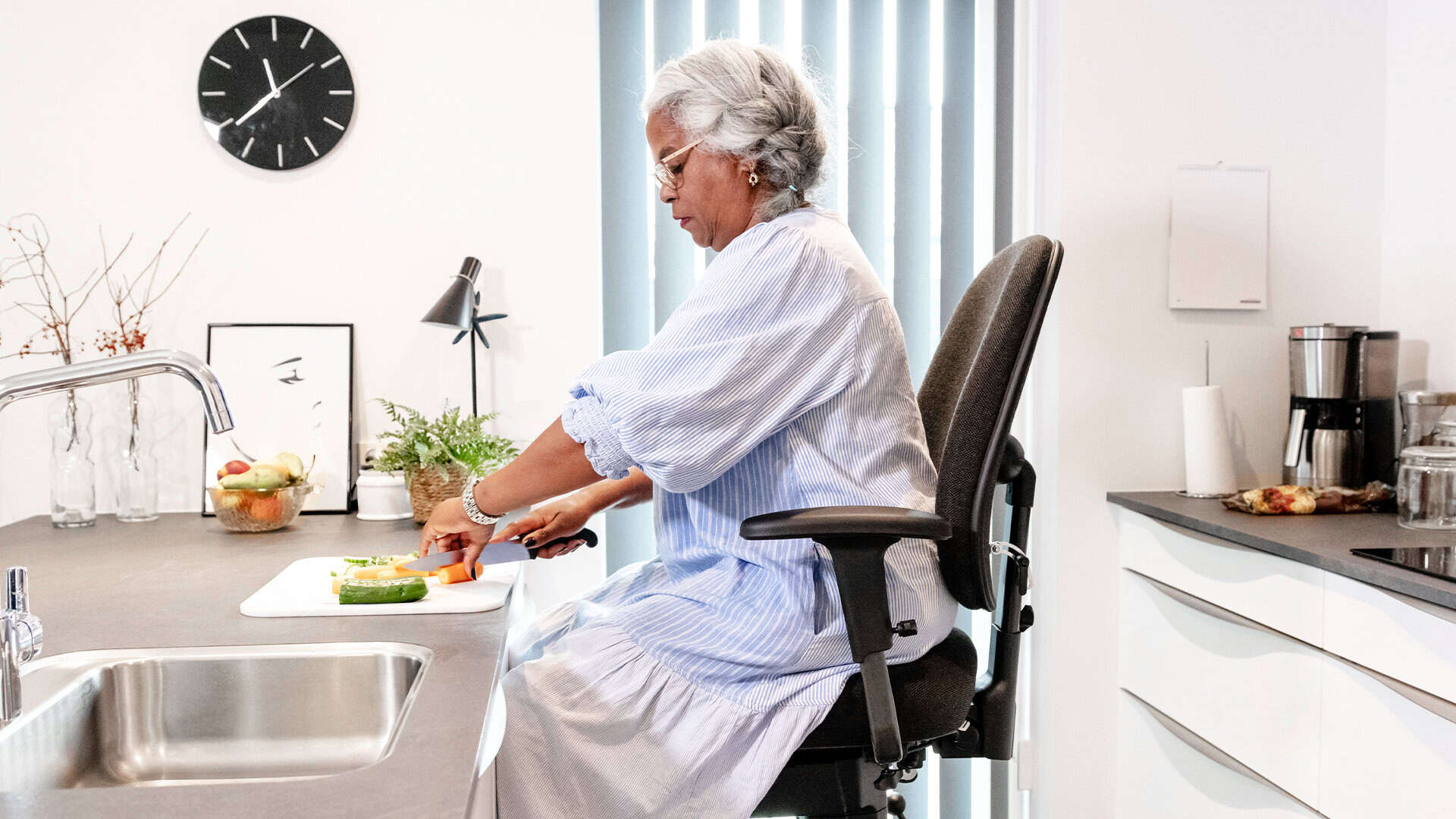
As aging and mobility issues often coincide, providing seniors with tools to maintain mobility can substantially reduce the likelihood of needing nursing home care prematurely. Mobility solutions like the VELA chair, a medically approved mobility chair with lift feature, are invaluable in maintaining independence at home. The VELA Independence Chair enhances safety, supports freedom of movement while seated, and facilitates daily activities like cooking, dressing, and transfers, all while reducing the physical demands on both professional and informal caregivers.
Advancements in assistive technologies now provide a wider array of smart devices and customized aids for elderly users. The integration of AI and machine learning into assistive devices—including autonomous wheelchairs, health-monitoring wearables with real-time fall detection, and robotic assistants for daily tasks—offers enhanced safety, independence, and opportunities for social interaction (Cyces; ButterflyMX).
Modern mobility aids are increasingly produced using lighter biomaterials and 3D printing, resulting in more comfortable and flexible solutions tailored to the individual user (iHealthcareAnalyst). These changes help maintain autonomy while decreasing the risk of injury and supporting the aging in place model preferred by most seniors (HIT Consultant).
Reducing Caregiver Burden Through Smart Seating
The decision to remain at home rather than transitioning to a nursing facility is complex, often involving mobility and independence considerations. Aging individuals who use the VELA Independence Chair find themselves empowered to manage daily household tasks with greater ease and safety. Key features like a central brake system, electric height adjustability, and enhanced movement capability while seated alleviate common challenges, such as fall risks and mobility hurdles. These mobility aids for elderly independence delay the need for intensive nursing care and affirm values such as dignity, freedom, and energy conservation. While VELA offers a practical solution, users should consider various options to suit their personal needs, contributing positively to the aging in place model.
Broader wellness initiatives now place emphasis on accessible fitness and mindfulness activities, effectively broadening the scope of rehabilitative and supportive strategies available to seniors. Predictive analytics and continuous monitoring provided by AI-powered systems support early intervention and the tailoring of care plans for individuals at higher risk, improving outcomes and reducing caregiver stress (Juniper Communities; RightAtHome).
Ultimately, the combination of advanced technology and dedicated CNAs strengthens a model of elderly care where independence, safety, and compassionate support are central. Technology empowers seniors and caregivers alike, enabling more personalized, effective, and dignified care delivery in both assisted living and home settings.