

Updated September 2025: We have updated the article to reflect the latest advancements in assistive technology, including AI-driven smart devices, wearables, and indoor navigation systems that enhance independence and accessibility. The article also incorporates new trends in ergonomic device design, multisensory feedback, IoT connectivity, and the expanding role of remote health monitoring and home-based care solutions for aging in place.
Assisted Living Concepts: A Comprehensive Guide
Assisted living represents a crucial option for housing and care that enables seniors to maintain independence while receiving necessary support for daily activities. As the average age of assisted living residents is 84, as per the
National Institute on Aging, it’s vital for families to comprehend these concepts to make informed decisions about care options.
Defining Assisted Living: Independence and Support
At the core, assisted living combines independence with support, allowing seniors to make personal decisions while receiving help with activities like medication management. Typically, a resident might live in a private apartment and have a trained staff member administer medications, ensuring both autonomy and safety.
Assisted living emphasizes resident self-direction and dignity within a supportive atmosphere, as outlined by
Wikipedia. This model suits seniors who need some assistance but value independence and privacy.
Exploring Housing Choices in Assisted Living Facilities
Assisted living facilities boast diverse housing options tailored to residents’ needs and preferences, from private apartments to shared rooms. Luxury facilities, for instance, offer extensive amenities, whereas publicly subsidized options focus on essential services and affordability.
The
ASPE Report on Assisted Living describes the regulatory standards ensuring quality and safety. A common process may see a resident start in a private apartment and transition to a shared accommodation as needs evolve.
Core Services Offered in Assisted Living
Facilities offer a suite of services to enhance residents’ quality of life, including meal services, assistance with activities of daily living (ADLs), and engaging social programming. There is typically 24-hour staff availability to ensure safety and support.
With advancements since 2025, core assisted living services are increasingly supported by technology innovations such as AI-powered assistants that process natural language, enabling easier communication and support for residents. In addition, remote health monitoring tools and medication management solutions have become more prevalent, expanding the possibilities for care at both facility and home levels. The use of multisensory and haptic feedback devices, such as refreshable braille displays and touch-based interfaces, further improves digital accessibility and helps residents with visual and other impairments remain engaged and independent.[1][5]
As discussed in the
Decent Blog on Assisted Living, these services facilitate vibrant social interactions, thereby improving residents’ well-being and sense of community.
Mobility Solutions: Enhancing Independence in Assisted Living
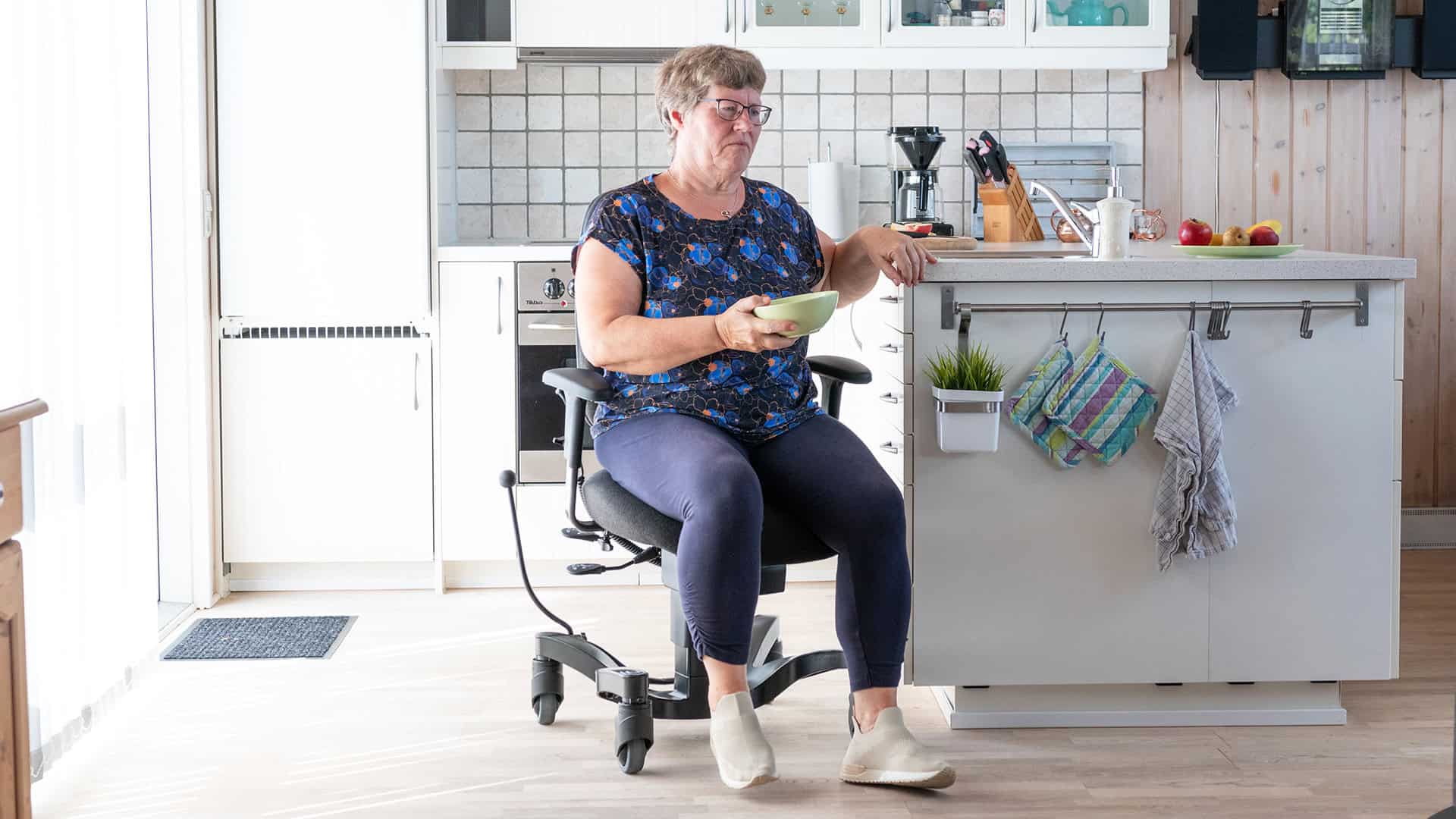
Maintaining mobility is vital for independence in assisted living settings. Effective mobility solutions are necessary to support a transition from nursing home care to more independent living scenarios, emphasizing the need for comprehensive mobility solutions like the VELA Mobility Chair. Such devices enhance support, prevent falls, and encourage engaging community activities.
Recent innovations include AI-driven, integrated smart devices and wearables—such as smart glasses with real-time object recognition, facial expression detection, and indoor navigation—to support safe and confident movement for those with visual or physical impairments.[1] Indoor navigation technologies utilizing Bluetooth beacons, LiDAR, and audio guidance further enhance accessibility within complex living spaces.[5] IoT-connected mobility aids and smart prosthetics have become more adaptive, adjusting to user behavior and environmental shifts to further support autonomy.[2]
For individuals transitioning from more dependent caregiving environments, solutions like the VELA chair offer crucial assistance. This medically approved mobility chair is designed for home use, providing enhanced safety and freedom of movement while seated, as well as support for everyday activities like cooking, dressing, or transferring. Importantly, the chair reduces the load on informal caregivers, much like
Lift Chairs for Seniors do for maintaining order in daily life.
Contemporary designs—now shaped by user feedback and inclusive development practices—feature improvements in button placement, tactile feedback, and ergonomic form, making assistive devices easier and more comfortable to use.[5]
Concluding Thoughts on Assisted Living Choices
Navigating assisted living demands a thorough evaluation of independence versus support. Families must assess personal requirements and preferences to choose the most fitting environment. As per the
Definitive Healthcare Glossary on Assisted Living, understanding these dynamics is key to making well-informed decisions.
The evolving field of assisted living continues to prioritize personalized care models and innovative mobility solutions, focusing on seniors’ diverse needs. The ultimate goal is an environment where seniors’ dignity, well-being, and quality of life are top priorities, ensuring peace of mind for them and their families.
Ongoing regulatory adaptations and expanded market adoption—driven by increased focus on aging populations and post-pandemic policy changes—have accelerated the adoption of remote health monitoring and in-home rehabilitation technology. Countries such as the US, Germany, and Japan are now leading in assistive technology uptake, supporting growing independence and quality of life for seniors.[4][2]
Supporting Aging in Place: A Practical Option
Mobility solutions like the VELA Chair can significantly impact seniors’ ability to remain independent at home. Key features such as the central brake for safety, electric height adjustability, and ease of movement while seated, provide a safer, more manageable environment for daily tasks. This can delay the necessity of transitioning into a nursing home. Emphasizing values like dignity and energy conservation, the chair aids in activities such as cooking, cleaning, and relaxation, offering a vivid contrast between life with and without such support. While the VELA Chair is not the only available solution, it is a proven option that fosters safety and independence in the home, aligning with
Fall Prevention Strategies efforts for reducing risks.
As more seniors choose to age in place, the adoption of AI-driven assistants, IoT-connected mobility aids, and multisensory accessibility technologies—including haptic feedback interfaces and wearable smart devices—enables safer and more independent living. These advancements, combined with a growing market and policy support, continue to shape the future of assisted living and home care for older adults.[3]