

Updated February 2026: We have updated the article with 2026 cost data for assisted living and home care in New Jersey, recent increases in Medicaid reimbursement rates and the Minimum Monthly Maintenance Needs Allowance (MMMNA), along with updated financial planning considerations. No new research on assistive technology or ergonomic trends was identified.
Updated October 2025: We have updated this article to reflect the latest (2025) assisted living cost data for New Jersey, recent federal policy changes affecting Medicare and Social Security, and the continued absence of significant new local innovations or clinical research on assistive technology for assisted living. Sources and economic context have been adjusted accordingly.
Comprehensive guide to assisted living costs in New Jersey
Selecting an assisted living facility in New Jersey necessitates meticulous financial planning, especially given the state’s high average costs. According to Paying for Senior Care, updated 2026 reports indicate assisted living in New Jersey now averages $7,400–$9,068 monthly, which far exceeds the new national median of $5,900.[1][6] These figures represent an increase over previous years, with regional highs noted in Trenton at $8,975 and lows in Vineland/Atlantic City ranging from $5,608 to $6,099. Home care now averages approximately $35 per hour, and adult day care $105–$120 per day.[1][6]
Exploring the assisted living landscape in New Jersey
The demand for assisted living in New Jersey is driven by its aging population. Between 2010 and 2023, New Jersey experienced a 31% increase in residents aged 65 and older, reflecting broader national trends (New Jersey Department of Human Services). As seniors search for living arrangements, balancing proximity, affordability, and care quality becomes a critical challenge.
Navigating regional cost variations in New Jersey
Assisted living costs in New Jersey vary substantially, with updated 2026 data showing regional averages from $5,608 in Vineland to $8,975 in Trenton.[1][6] Factors influencing cost include the facility’s location, level of care offered, and amenities provided. For example, urban centers often have higher prices due to increased demand and available premium services.
Real-life scenarios often highlight these variances. For instance, a family in Vineland might face lower fees than those in Trenton but may also contend with limited facilities and amenities.
Decoding monthly fees in New Jersey assisted living
Monthly assisted living fees in New Jersey, now commonly ranging from $7,400 to $9,068, generally include meals, housekeeping, and basic healthcare.[1][6] Pricing structures vary: some facilities offer all-inclusive packages, while others utilize tiered or à la carte models (United Methodist Communities). Residents might prefer the flexibility offered by tiered models, personalizing their care to match their needs, as evidenced by various resident testimonials. In many cases, Alzheimer’s and dementia care may incur a 20–30% surcharge above the base rates.[1]
Evaluating assisted living against other care options
Comparing assisted living to options like nursing homes or home care, cost is a pivotal consideration. According to updated 2026 data, nursing homes in New Jersey can cost significantly more than assisted living, with semi-private rooms averaging over $11,619/month.[1][4][6] Meanwhile, New Jersey’s Assisted Living Program (ALP) remains a flexible solution by integrating community-based healthcare (New Jersey Assisted Living Program Provider Coalition). Families should also investigate programs such as the Statewide Respite Care Program (SRCP) and Adult Day Services Program for the Frail Elderly (AADSP), which can help offset costs for some community-based options.[1]
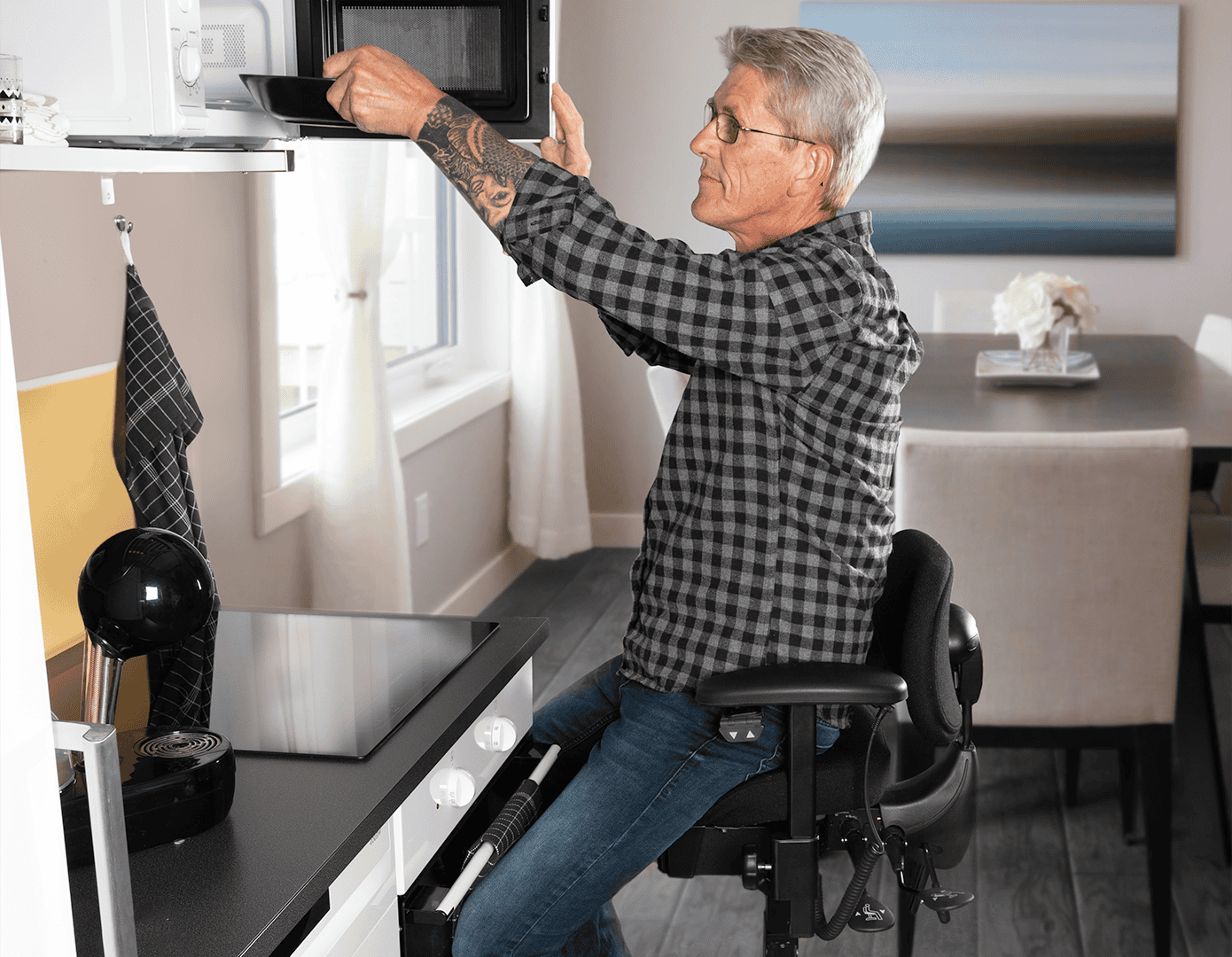
Transitioning from the complexities of nursing home expenses, older adults often seek ways to sustain independence at home. Solutions like VELA medically approved mobility chairs support aging in place effectively. These chairs ensure safety with a central brake system, enhance freedom of movement through electric height adjustment, and ease daily tasks such as cooking and dressing. By doing so, VELA chairs can reduce reliance on both formal and informal caregivers.
Financial resources and assistance programs
Understanding financial resources is crucial for managing assisted living expenses. New Jersey has implemented Medicaid reimbursement rate increases for assisted living facilities effective in the 2026 fiscal year. Minimum per diem rates are now $91.10 for assisted living facilities, $81.10 for comprehensive personal care homes, and $79.10 for assisted living programs, supporting NJ FamilyCare beneficiaries and maintaining program budget neutrality.[2] The Minimum Monthly Maintenance Needs Allowance (MMMNA) for Medicaid spousal transfers has also increased to $2,643.75 (with a maximum of $3,948) for July 2025 through June 2026, which can aid in asset and income planning for couples.[3] These changes may provide some financial relief for eligible families.
Other resources include a 2.5% Social Security increase and the $2,000 annual out-of-pocket cap for Medicare Part D prescription drugs, which may help seniors facing high living costs.[4] However, even with these adjustments, New Jersey remains one of the most expensive states for assisted living (NJAAW 2024).
Organizations like Elderlife Financial guide seniors and families in budgeting and planning, helping leverage benefits and available financial solutions. Proactive financial planning helps families choose the most suitable care options.
This analysis emphasizes the importance of informed decision-making in the assisted living landscape in New Jersey. By considering regional variations, service inclusions, and different care options, families can better navigate this critical life stage.
How mobility solutions like VELA make a difference
Mobility solutions like VELA Chairs help seniors maintain independence at home, potentially delaying entry into nursing homes. The chairs’ features, such as central braking for safety, electric height adjustability, and easy movement while seated, directly address daily challenges like safe transfers and energy conservation. By supporting activities like cooking, cleaning, and relaxing, these chairs can enhance dignity and freedom for older adults. While not the only solution available, VELA Chairs offer a pragmatic choice for those preferring to age in place. By reducing caregiver strain, they present a tangible benefit to both seniors and their families. For more details on ergonomic home mobility solutions, see how specific designs cater to independent living at home. mobility aids for aging in place.
References
- [1] Paying for Senior Care: New Jersey Assisted Living & Home Care Costs (2024 data w/2026 relevance) – Up-to-date cost data and program information for assisted living and home care options in New Jersey
- [2] New Jersey Department of Human Services: Assisted Living Facility Rates Notice (2026 FY) – 2026 Medicaid rate increases and policy details for New Jersey assisted living
- [3] Begley Law Group: Financing Long-Term Care in New Jersey (2025/2026 MMMNA) – Medicaid income allowance and planning for couples
- [4] Medicaid Planning Assistance: 2026 Nursing Home Costs by State/Region (NJ data) – Comparative nursing home and regional cost estimates
- [6] SeniorLiving.org: Assisted Living Costs 2026 Estimates by State – National and state-level assisted living cost data for 2026
- [8] New Jersey Advocates for Aging Well (NJAAW) 2024 Report – Economic context and cost pressures on New Jersey’s older adults