

Updated February 2026: We have updated the article with new findings on the latest advancements in assistive technology for seniors, including AI-integrated smart mobility aids, sensor-based home monitoring, wearable health tech, voice-activated devices, adaptive furniture, and the growing availability of aging-in-place solutions. The update highlights current trends, policy changes, and collaborative efforts to improve accessibility and support for seniors in Darien, CT.
Assisted Living in Darien, CT: Meeting Seniors’ Needs with Quality Care
Navigating the landscape of senior care can be complex, especially in a community like Darien, CT. With 2,849 residents over the age of 65, comprising 13.26% of the town’s population, there is a growing demand for quality assisted living options. Assisted living blends independent living with supportive services for the elderly who need help with daily activities but do not require the intensive medical care provided by nursing homes.
Overview of Assisted Living in Darien, CT: What to Expect
In Darien, assisted living facilities provide a supportive environment where seniors receive help with activities of daily living (ADLs), enjoy social engagements, and have access to limited medical support. Unlike nursing homes, these facilities prioritize maintaining residents’ autonomy. According to Medicare.gov, “Assisted living communities do not provide the same level of medical care as nursing homes, but do offer support with ADLs and a social setting.” A typical day might involve joining community meals, participating in wellness programs, or engaging in hobby groups at a facility like Atria Darien, known for its chef-prepared dining and vibrant social calendar.
Darien’s Elderly Population: Needs and Trends
Darien’s elderly face typical aging challenges such as dementia and mobility issues, influenced by the area’s socio-economic landscape. The affluence of Darien often means residents have the means to choose higher-quality care options. According to the CDC, the need for mobility support and cognitive care is paramount, reflecting national trends seen in residents aged 80 and above. In this context, staff training is crucial for addressing complex health needs through tailored care plans, as seen in local services catering to mobility-challenged residents.
Top Assisted Living Facilities in Darien: Features, Costs, and Reviews
Three standout facilities in Darien include Atria Darien, Maplewood at Darien, and The Residence at Selleck’s Woods, each offering distinct features and pricing. Atria Darien, with its Alexa Smart Home integration and tenured staff, averages $7,595 per month according to Senior Living Directory. Maplewood at Darien’s focus on memory care and luxury amenities ranges from $7,000 to $9,000 monthly. User reviews highlight exemplary staff interactions and robust community programs. “All personnel show incredible compassion for the residents,” a Maplewood resident notes in a review on Caring.com. Such feedback emphasizes the personal touch that marks these facilities as exceptional choices.
Enhancing Safety and Independence: The Role of Adaptive Equipment Like VELA Chairs
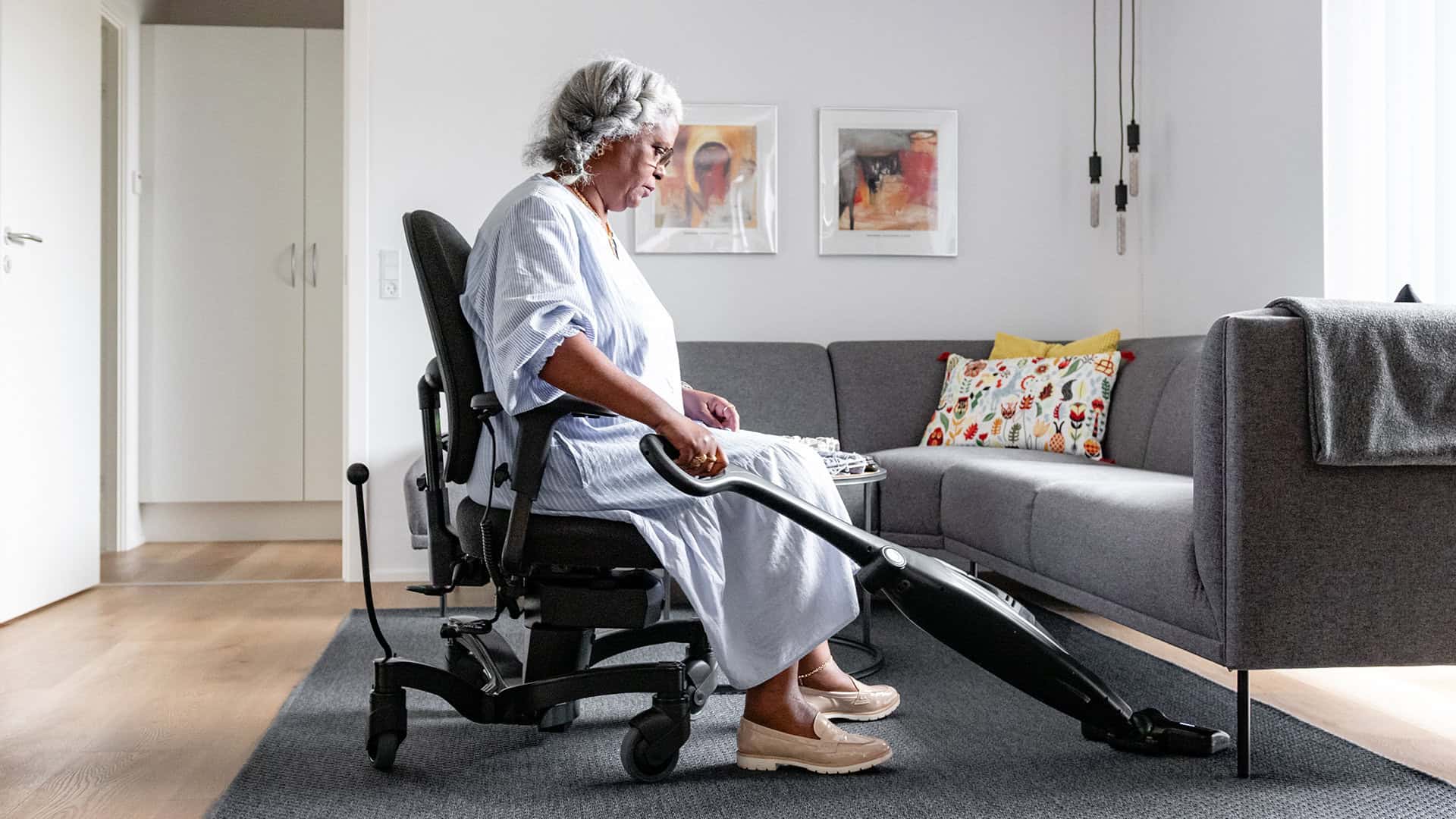
Safety and independence are critical in assisted living communities. While nursing homes provide comprehensive medical care, many seniors seek solutions that maintain their independence within assisted living environments or even at home. Adaptive equipment like the VELA Independence Chair offers a practical solution, enabling older adults to remain independent in their own spaces. This medically approved mobility chair is designed for home use, enhancing safety with features such as height adjustability, locking wheels, and stable ergonomic support. It facilitates daily activities like cooking, dressing, or transferring, significantly reducing the burden on informal caregivers.
Recent advancements in assistive technology have accelerated the support of independence and safety for seniors. In addition to traditional aids, the new generation of smart mobility equipment now incorporates AI-powered features, such as fall detection, obstacle avoidance, and predictive analytics to flag health risks before hospitalization is required. Wearable devices with clinical-grade sensors monitor heart rhythm and oxygen levels, while voice-activated AI systems offer medication and task reminders, and integrate with telehealth services for remote medical consultation. These tools are complemented by adaptive furniture—including pressure-relief mattresses and robotic assistants—that further reduce physical strain for caregivers and promote autonomy for seniors. Inclusive and ergonomic design is central, ensuring usability for diverse abilities and enhancing comfort and engagement.Market.us Media UCLA Health YouTube Age in Place Tech.
Staying Independent at Home with Support
For seniors wishing to delay the transition to nursing homes, tools like the VELA Independence Chair facilitate a prolonged period of independence at home. Its features address critical concerns like stability, ease of movement, and energy conservation, ensuring tasks such as cooking and cleaning can be safely managed. The chair’s central brake adds a layer of safety, while electric height adjustability and seamless movement make it an invaluable asset for daily living. This not only enhances dignity and freedom but also reduces caregiver burden by making routine tasks more accessible. While not the sole solution, the VELA offers a proven method for supporting aging in place, helping seniors maintain a high quality of life within their familiar environment, as highlighted by Senior Mobility Solutions.
Staying independent at home is now bolstered by a new generation of smart home sensors, wearable health monitors, and home modifications. Over 80% of seniors are now adopting at least one assistive technology device, reflecting both increased accessibility and proactive partnerships between assistive tech programs and aging services in Connecticut. Smart systems monitor for falls—particularly important as more than 50% of senior falls occur at home—while AI-powered home platforms connect to family or care teams in emergencies and provide predictive analytics to prevent hospitalizations. Policy changes and expanded Medicare/Medicaid coverage support access to these technologies and incentivize home modifications, such as grab bars, pressure-sensing flooring, and remote health consultations.UCLA Health YouTube Age in Place Tech. Innovations like VR and AR therapy offer engaging rehabilitation at home, and robotics are increasingly used to address caregiver shortages. Inclusive, user-friendly designs remain at the forefront—ensuring real-world usability for both seniors and caregivers—and Darien’s facilities are embracing these trends to provide safe, forward-thinking options for their community.