

Updated February 2026: We have updated the article with new findings on the rapid adoption of AI-powered predictive health monitoring, edge AI safety features, wearable devices with fall detection and vitals tracking, and robotics in assisted living. The update highlights modern trends in smart technologies, personalized care, and remote health monitoring that are shaping independence and quality of life for seniors in Dripping Springs and beyond.
Comprehensive Guide to Assisted Living in Dripping Springs, TX
Nestled within the picturesque Texas Hill Country, Dripping Springs provides an idyllic setting for seniors seeking assisted living. Known for its serene landscapes and convenient proximity to Austin’s urban amenities, Dripping Springs is increasingly popular among families seeking quality senior care. As individuals explore assisted living Dripping Springs options, they will find a welcoming community that pairs tranquility with accessibility. According to SeniorAdvice.com, the average monthly cost of assisted living here is approximately $4,884, positioning it as a competitive choice in the region.
Exploring Assisted Living Options in Dripping Springs
When considering assisted living, it’s essential to understand the differences between facility types. In Texas, facilities are categorized by the Texas Health and Human Services Commission into Type A and Type B. Type A facilities cater to residents who can ambulate independently and don’t require routine nighttime attendance, whereas Type B facilities are designed for those needing additional evacuation assistance or nighttime care.
For example, Lavender Springs Assisted Living provides a home-like environment with individualized care plans, offering a cozy atmosphere where residents receive personalized attention, allowing them to enjoy their golden years. In contrast, Mentis Neuro Health focuses on specialized services for those with neurocognitive needs, illustrating the varied care options available within the community.
Navigating Costs and Financial Options for Assisted Living
Understanding the financial landscape is crucial when selecting assisted living. As mentioned, the cost in Dripping Springs aligns with regional averages at $4,884 per month. Payment strategies vary, including long-term care insurance or veterans’ benefits. For example, families have successfully managed assisted living costs by leveraging veterans’ benefits—a practical strategy often overlooked. According to SeniorAdvice.com, examining these financial options can significantly aid in budget planning.
Ensuring Quality and Compliance in Assisted Living
Quality care and compliance standards are critical when evaluating assisted living facilities. In Texas, the Texas Health and Human Services Commission regulates state licensing requirements and staff qualifications. Facilities like Core Health Care stand out for their commitment to regulatory compliance and care quality, often praised for favorable staff-to-resident ratios and robust health monitoring processes. Feedback from families frequently highlights satisfaction with these standards, underscoring their importance.
Transitioning to Assisted Living: Steps and Strategies
The transition to assisted living can be smooth with the right guidance. It begins with a comprehensive assessment to determine the appropriate level of care, coupled with practical tips for downsizing and facilitating emotional adjustment. For instance, A Place for Mom shares a story of a senior who successfully adapted to a new community by participating in social activities and building new friendships, reinforcing the necessity of emotional support during this change.
Enhancing Independence with Technology-Driven Mobility Solutions and Assistive Technology
As families evaluate whether to choose assisted living or find ways to keep their loved ones in familiar home environments, the conversation increasingly centers on new, technology-driven solutions that promote independence. Recent advances include the robust adoption of AI-powered predictive health monitoring, edge AI for non-intrusive safety features (such as automatic shutoff stoves and adaptive lighting), and wearable devices with integrated fall detection and continuous vital tracking. These systems enable proactive care, extend independence for residents with reduced mobility, and reduce unnecessary hospital visits Senior Living Technology Trends for 2026 All Seniors K4Connect Build Senior Living. In addition, facilities are embracing ambient intelligence and personalized care plans guided by real-time data analytics, providing adaptive and dignified support.
Emerging innovations also include robotics designed to assist with mobility tasks, voice-activated systems for hands-free control, and AI-customized wellness plans tailored to individual needs. These developments offer practical empowerment and comfort for individuals and ease the workload for caregiving staff. Solutions like robotic mobility aides and adaptive fall detection further address safety without sacrificing resident privacy or independence Dosepacker HBRHC Advanced Nursing Care Argentum.
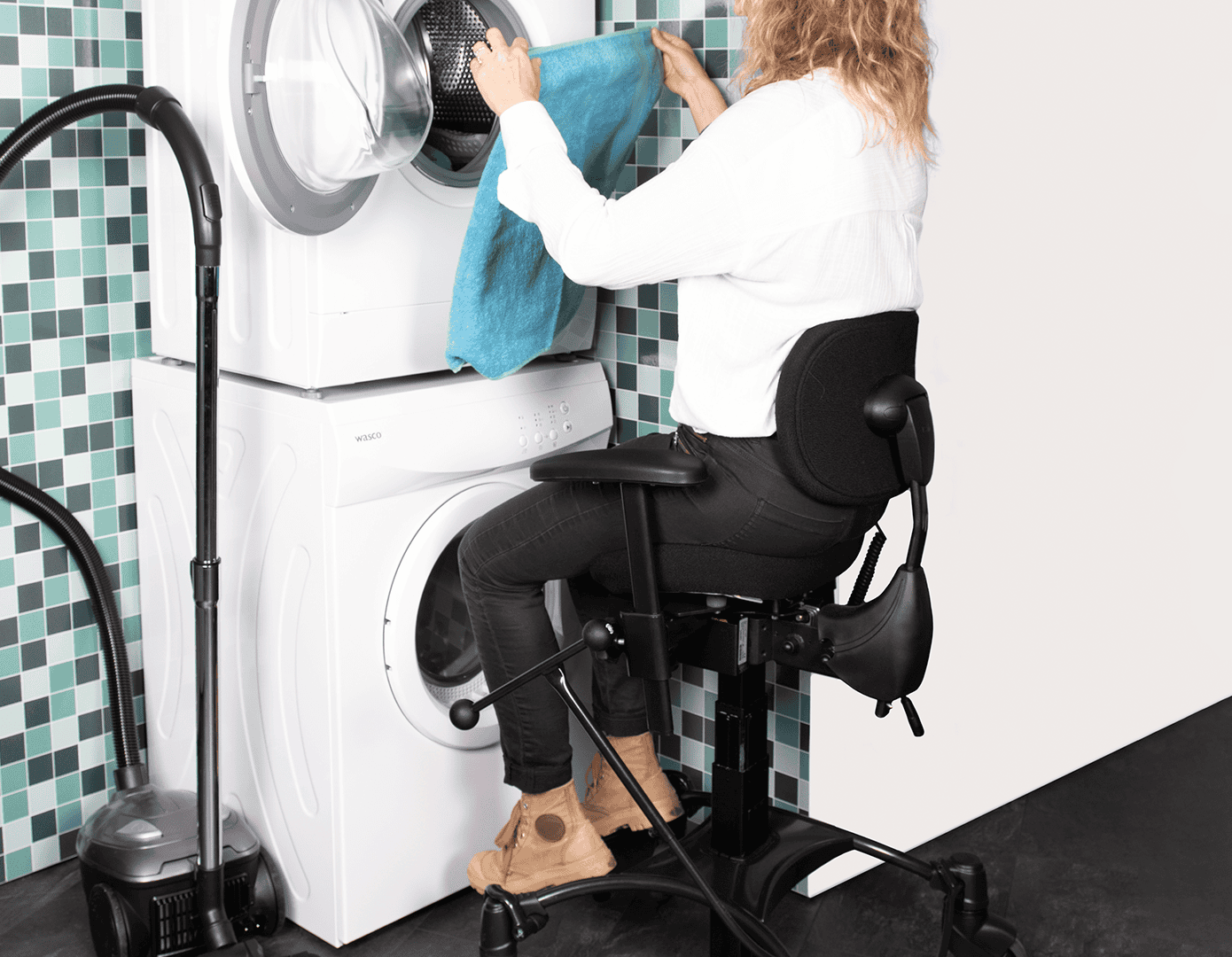
One notable solution is the VELA Independence Chair, a medically approved mobility aid that supports residents both in private homes and modern assisted living communities. Designed for safety and practical mobility, these chairs now increasingly feature AI and ergonomic enhancements, making them well-suited for adaptive routines and daily activities. Whether adjusting to an AI-crafted care plan or programming an ambient lighting system through voice commands, modern assistive technologies such as VELA support comfort, safety, and resident autonomy K4Connect American Foundation for the Blind CES Accessibility Topics.
Supporting Aging in Place: A Practical Option with Modern Tech
The choice to age comfortably at home while maintaining independence remains a leading preference for many seniors and their families. Recent technological trends show an increasing integration of home-based AI systems, wearable fall and health monitors, and remote telehealth capabilities that allow care to be extended and coordinated from anywhere. Tools like VELA Chairs now combine time-tested safety features (central brakes, electric adjustability) with modern assistive tech, helping residents adapt to evolving physical needs. Robotics and smart home integrations reduce the burden on caregivers, while intelligent devices support daily activities and alert staff to health changes in real-time Think Beyond the Chair Envision Senior Living Technology Trends for 2026.
Such advances not only delay the move to a nursing home but also allow for greater dignity and participation in daily life routines. Current and future mobility solutions are trending toward even greater personalization, with AI-based monitoring and smart home systems expected to shape the core of “aging in place” care strategies for years to come Build Senior Living Advanced Nursing Care Argentum.