

Updated February 2026: We have updated the article with the latest innovations in assistive technology, including robotic mobility aids and AI-powered wearables, updated global and Australian market growth projections, and the emergence of WCAG 2.2 digital accessibility standards. The update also highlights increased demand for customizable, tech-driven solutions supporting independent living for seniors.
Navigating the Future of Elderly Care in Australia
As Australia’s population ages, the demand for assisted living facilities has surged, signaling a pivotal shift in how senior care is perceived and delivered. By 2042, the number of Australians aged 85 and over is expected to exceed 1 million, underscoring a pressing need for comprehensive care solutions. According to Australian Bureau of Statistics, this trend, coupled with a growing preference for home-based care, is transforming the landscape of assisted living. For more, refer to IBISWorld’s analysis.
The Evolution of Assisted Living in Australia
Over recent years, the focus has shifted from traditional residential care facilities to more versatile home-based solutions. Retirement villages, once synonymous with residential care, are now evolving to include more comprehensive home support services. This transition is reflected in KPMG’s market analysis, which reports a decline in residential care providers and an increase in home care services. Consider the example of Margaret, a senior who transitioned from a traditional retirement village setup to her own home, receiving personalized home care packages tailored to her needs, allowing her to maintain independence and a high quality of life.
Home Care vs. Residential Care: Understanding Your Options
As families navigate the elderly care spectrum, understanding the distinctions between home care packages, residential care, and retirement villages is crucial. Home care offers personalized services that support independence, while residential care caters to those needing continuous medical supervision and assistance. Cost, the degree of independence, and the level of care required significantly influence these decisions. The Jones family, for instance, opted for home care over residential care for their aging mother to maintain her autonomy while ensuring she received adequate support. This decision mirrored burgeoning trends towards home-based solutions, as highlighted in the Report on Government Services.
Financial Planning for Assisted Living in Australia
Financial planning is a cornerstone of sustainable assisted living. Understanding the costs associated with various care types and government funding options is essential. The Department of Health and Aged Care highlights these processes, detailing significant funding allocations for Home Care Packages. John’s meticulous financial planning serves as a case in point. By effectively utilizing government resources, he was able to balance his finances to access essential home care services without undue financial strain.
Technology Innovations Transforming Elderly Care
Technology is rapidly transforming elderly care, with new assistive solutions enhancing independence and daily living. The sector has seen the emergence of robotic transfer aids, such as the Niko mobility robot, enabling independent bed-to-wheelchair transfers without caregiver intervention.[1] AI-driven wearable technologies, like the Aleye haptic wristband and smart glasses, provide users with real-time support for interpreting facial expressions and health cues, further empowering seniors in assisted and independent living environments.[1] Affordable Braille labelers, such as the Nemonic Dot, and increasing digital accessibility further remove barriers for individuals with visual or cognitive impairments. The global disabled and elderly assistive technology market is projected to reach US$32.5 billion by 2026, with a notable 6% CAGR in the demand for mobility aids, fueled by more seniors seeking independent lifestyles and a rise in accident-related disabilities, especially in Asia-Pacific and Europe.[2]
Australia continues to advance in inclusive technology design. WCAG 2.2 has emerged as the standard for digital accessibility across aged care and health services, ensuring that digital platforms are user-friendly for the 18% of Australians with disabilities. This regulatory shift supports the adoption of voice-controlled and AI-personalized technologies, making rehabilitation, communication, and independent daily tasks more feasible than ever before.[3][4]
These innovations extend to advanced mobility aids, improved ergonomic design, and customizable feedback features—crucial for dignity and independence in daily life. In practice, seniors like Emily can now utilize AI-integrated devices and wearable technologies alongside smart home systems to support their well-being, with hospital-grade mobility solutions increasingly available for use at home. While access remains an ongoing challenge, national frameworks and anticipated technological adoption through 2026 are enhancing the breadth and reach of supportive solutions.
Future Insights for Elderly Care
Australia’s assisted living sector is at a critical juncture, marked by an undeniable shift toward home-based care solutions that prioritize independence and personalized support. New developments in personalized and AI-driven assistive technology further empower seniors and caregivers, with smart technology integration and improved ergonomic designs setting new standards for daily living aids. The Australian government’s commitment to expanding home care services reinforces this direction. Department of Health and Aged Care emphasizes a future where flexible, person-centered care is paramount. This evolution reflects Australia’s dedication to adapting to its aging demographic and ensuring seniors receive dignified, supportive care in environments that respect their preferences and autonomy. Ongoing policy development seeks to support equitable access for all seniors, acknowledging the importance of inclusive product design and innovative service models.
Supporting Aging in Place: A Practical Option
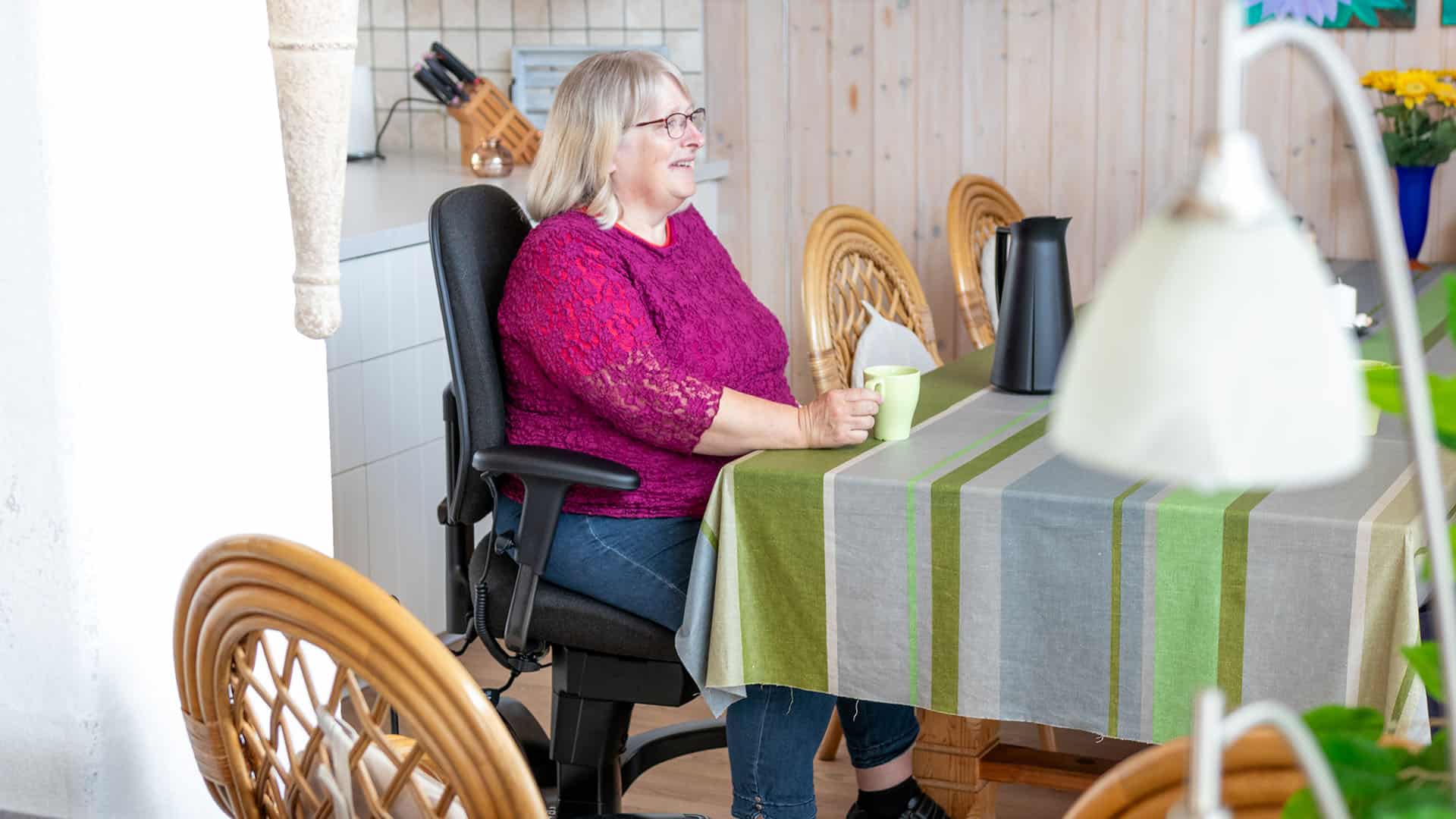
Remaining independent at home is a viable reality for many seniors thanks to advancements like the VELA Independence Chair and the broader incorporation of smart, AI-powered mobility devices. This chair features a central brake for safety, electric height adjustability, and ease of movement while seated, which significantly enhances daily living. AI and ergonomic enhancements now allow for even greater user comfort and adaptability. Robotic lifts, wearable haptic feedback devices, and digital assistant technologies are increasingly supporting everyday tasks and transferring activities, offering individuals more opportunities to customize their support to suit their lifestyles.[1] The assurance of safety and mobility can delay the need for nursing homes, as it empowers seniors to perform activities such as cooking, cleaning, or simply relaxing on their own terms. Life with modern assistive devices means dignity, freedom, and energy-saving for users, allowing them to enjoy independence while reducing caregiver burden. While VELA is a proven and practical solution, it’s important to recognize that other technologically advanced options are available, each offering unique benefits to support aging in place effectively. Learn more about Mobility Aids for Assisted Living for enhancing independence in senior care environments.
Sources: World Health Organization, National Institute on Disability, Independent Living, and Rehabilitation Research, Journal of Rehabilitation Research & Development, Disability and Rehabilitation. [1] [2] [3] [4]