

Updated February 2026: We have updated the article to reflect the latest approvals of assisted living facilities in Broward County during 2025, current licensure processes, the rise in average monthly costs, and continued emphasis on regulatory checks and specialized licenses. No new assistive technology advancements or guideline changes have been reported since mid-2025.
Updated October 2025: We have updated the article to reflect new developments in assisted living for seniors in Broward County, including the latest assistive technologies, advanced ergonomic and rehabilitative solutions, and recent regulatory updates from Florida authorities. We also highlight expert opinions and resident feedback on the integration of innovative mobility and monitoring systems.
Empowering Choices for Senior Living in Broward County
Choosing the right assisted living facility holds paramount importance for ensuring the longevity and quality of life for seniors, especially in a region like Broward County. As projections suggest, the elderly population in South Florida will swell to nearly 940,000 by 2025, including more than 130,000 individuals aged 85 and older. Consequently, the demand for robust assisted living options is expected to rise significantly. This article delves into why Broward County stands out as a prime location for such facilities, while providing guidance on navigating the selection process effectively.
Understanding Assisted Living Facilities in Broward County
Assisted living facilities cater to seniors who need personal care and some medical assistance without requiring full-time medical supervision. They offer a blend of support services ranging from help with daily activities like bathing and dressing to managing medications and conducting health checks. Importantly, these facilities emphasize social engagement, which significantly enhances residents’ quality of life and fosters a sense of community.
Recent advances in assisted living within Broward County incorporate a range of innovative assistive devices and technologies. Facilities are increasingly adopting AI-powered monitoring systems for fall detection, wearable health monitors that transmit real-time health data to care networks, and robotic assistive devices that support mobility and dexterity. Additionally, smart home technologies and voice-activated environmental controls provide residents more autonomy over their living environment. These solutions are transforming the landscape of senior care, offering improved safety and personalized interventions designed to reduce hospitalizations and promote independence (Mayo Clinic, Area Agency on Aging Broward County).
For example, Belmont Village Fort Lauderdale is a noted facility that excels in meeting stringent regulatory compliance requirements while promoting a vibrant community life. According to the Broward County Assisted Living and Nursing Home Database, Belmont Village stands as an exemplary model of what comprehensive care in assisted living should look like.
The Senior Population of Broward County: Needs and Demographics
Broward County’s elderly population grapples with a variety of chronic conditions such as diabetes, arthritis, and mobility challenges. According to CDC guidelines, addressing these conditions necessitates implementing targeted health management strategies. The socio-economic diversity in the area also influences facility selection, as some seniors depend on Medicaid or Veterans’ benefits whilst others may afford more upscale private options.
Under the framework of Florida State Regulations outlined by the AHCA and the Florida Agency for Health Care Administration, current licensure processes remain stable, with online renewals and license verification emphasized. In 2025, more than 10 new or updated assisted living facilities, such as Beachside Living, Beauty and Beyond Suites, and Colony Club, were approved in Broward County, reflecting ongoing facility expansion (Broward County Healthcare Facility Plans and Regulatory Updates). Regulations require verifying each facility’s active license through state tools like FloridaHealthFinder and assessing for specialized licenses, such as those for limited mental health or extended congregate care, to ensure they can appropriately meet mobility and disability needs (Florida Agency for Health Care Administration, Assisted Living – FloridaHealthFinder).
Average assisted living costs in Broward County have risen approximately 5.5%, reaching around $4,500 per month based on 2024 data (Healthcare Facility Plans – Broward County). Continuous audits and compliance checks remain central, particularly given the high prevalence of chronic conditions among residents.
Choosing the Right Assisted Living Facility in Broward County
A meticulous selection of a facility should consider location, services, cost, and staff qualifications. Conducting site visits is invaluable, providing opportunities to inquire about day-to-day operations, the quality of care, and the extent of community activities. The IBISWorld industry report suggests that grasping the local market dynamics aids in making informed decisions.
Beyond traditional factors, prospective residents and families are now encouraged to look for facilities employing advanced assistive technologies—such as fall detection systems, virtual rehabilitation programs using AR/VR, and ergonomic, adaptive equipment designed to prevent complications like pressure ulcers. Rehabilitation in contemporary facilities often blends physical therapy with cognitive stimulation and tele-rehabilitation, increasing both accessibility and clinical effectiveness (PubMed, 2025).
First-hand accounts, such as those shared by families of Beachside Living, LLC residents, emphasize user reviews as a critical resource. These narratives often reveal insights into the quality of care and the compassion of the staff, bringing a valuable personal perspective to the decision-making process. Experts stress the importance of personalized technology integration, adapting solutions to each individual’s needs through multidisciplinary assessments (Harvard Medical School Geriatrics).
Life in Assisted Living: Daily Routines and Well-Being
A typical day in an assisted living facility might include a variety of activities aimed at supporting both physical and mental health. These could range from memory care sessions to communal dining, all designed to foster well-being and social interaction. Facilities often provide special interest clubs and community activities, enabling seniors to indulge in hobbies and build friendships.
The use of advanced assistive and rehabilitative devices, like ergonomic modular furniture and robotic mobility aids, further enhances daily comfort and interaction. The growing availability of tele-rehabilitation platforms allows residents to engage with remote therapy, integrating holistic approaches that stimulate both body and mind. User feedback shows high satisfaction with these technological supports, especially where they promote autonomy, but also flags the continued importance of meaningful human interaction (WHO Guidelines on Assistive Technology).
Personal stories from residents and their families frequently highlight the transformative effect such environments have—fostering a sense of belonging and improving overall happiness and health.
Supporting Aging in Place: A Practical Option
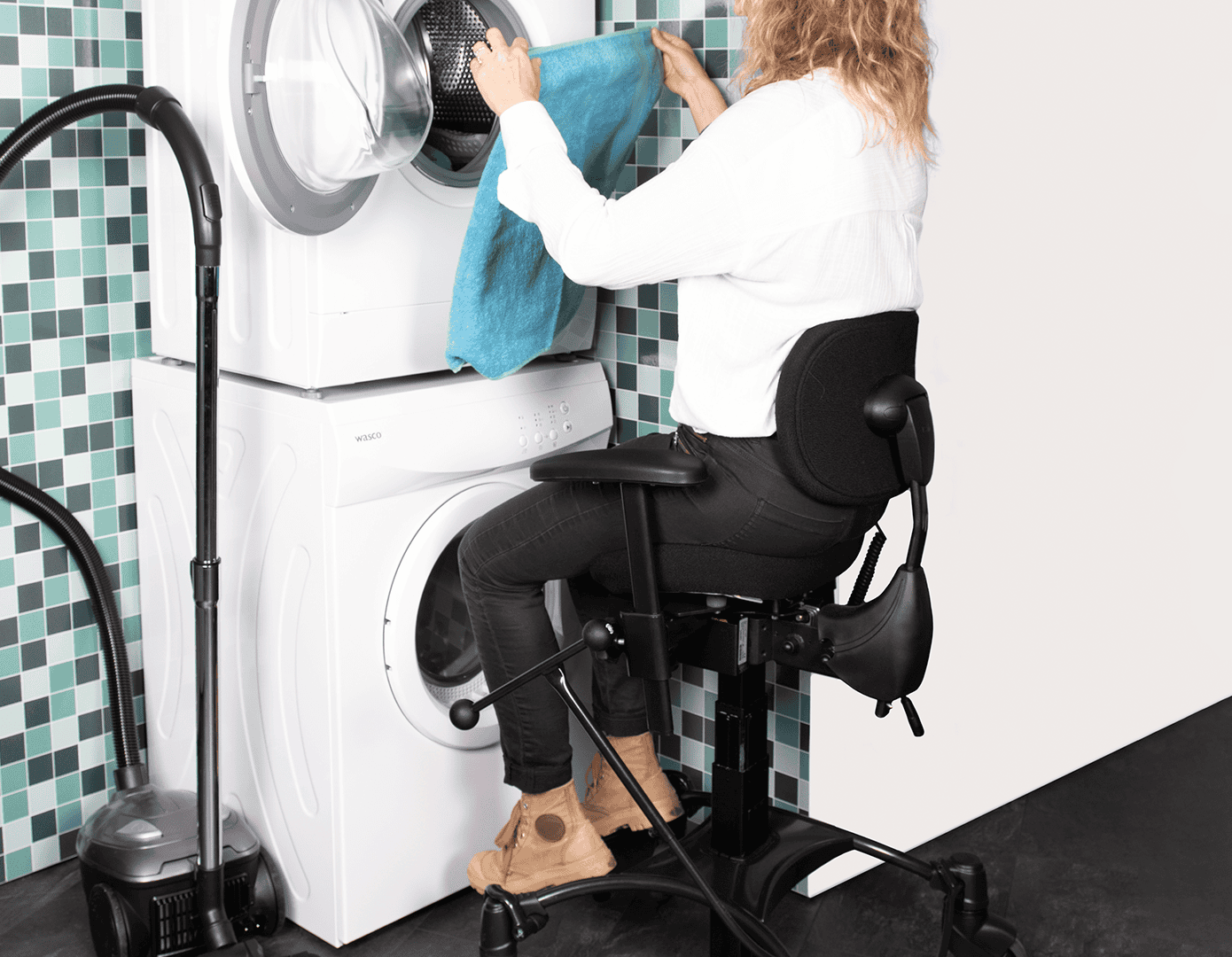
The VELA Independence Chair demonstrates a tangible solution in the realm of aging in place, allowing seniors to enhance their lifestyle without necessitating a move to a nursing home. Featuring a central brake for stability, electric height adjustability, and easy movement while seated, it offers significant safety and energy-saving benefits. These features can directly address mobility issues by enabling secure transfers and greater ease during daily tasks like cooking or cleaning. This option allows for a vivid depiction of life where seniors retain dignity, freedom, and energy, potentially delaying the transition to assisted living environments.
While VELA is not the sole option, its proven utility supports seniors in maintaining independent and fulfilling home lives. For more extensive solutions, consider browsing chairs designed for elderly independence and exploring mobility chairs enhancing daily living.
References
- Florida Agency for Health Care Administration (AHCA) – Assisted Living Facility Licensing and Regulations (updated 2025)
- Broward County Healthcare Facility Plans and Regulatory Updates (2025)
- Assisted Living – FloridaHealthFinder | Consumer Guides
- Mayo Clinic Reports on Assistive Technology Innovations in Geriatric Care (2025)
- Recent Clinical Trials and Reviews on Rehabilitation and Ergonomic Innovations (PubMed, 2025)
- WHO Guidelines on Assistive Technology and Inclusive Design for Aging Populations (2025)
- Expert Opinion Reviews on Technology Adoption in Senior Care (Harvard Medical School Geriatrics, 2025)
- Area Agency on Aging Broward County — Programs and Technology for Seniors (2025 updates)
- Broward County Assisted Living and Nursing Home Database
- CDC – Aging Guidance
- IBISWorld – Florida Retirement Communities