

Updated February 2026: We have updated the article to reflect major 2026 trends in assisted living facility design, including AI-driven health monitoring, wearable tech, robotics, voice-controlled smart homes, expanded ergonomic features, larger customizable units for aging-in-place, flexible wellness-focused layouts, and regulatory shifts toward infection-resilient, sunlight-optimized settings. The article now includes the importance of person-centered and tech-integrated environments for senior independence and safety.
Enhancing Senior Living Through Thoughtful Design
As our society ages, the design of assisted living facilities becomes increasingly important in fostering both safety and autonomy for seniors. Assisted living facilities’ floor plans are fundamental, as they are engineered to meet the specific needs of the elderly, promoting independence while ensuring their safety. According to the Missouri Department of Health & Senior Services, assisted living facilities are required to provide private rooms of at least 70 square feet per resident, underscoring the importance of personal space in these environments.
Essential design elements in these floor plans include private rooms, communal areas, and integrated safety features. The Facility Guidelines Institute emphasizes that well-thought-out designs not only improve residents’ privacy but also enhance supervision, achieving a balance that benefits everyone.
Understanding Assisted Living Facilities Floor Plans: Key Elements and Standards
In the realm of assisted living, floor plans must accommodate both privacy and communal engagement. These facilities are typically designed to include private rooms to provide personal space while incorporating communal lounges and activity rooms to promote social interaction. Rooms must meet certain regulatory standards, such as a minimum size requirement and specific window features advocated by the Missouri Department of Health & Senior Services.
Recent trends show a move toward larger, customizable living units that support aging-in-place, frequently providing amenities like full kitchens and in-unit washers and dryers.[1][2][3][4][7] Facilities are also introducing more flexible indoor-outdoor spaces and wellness-focused layouts, emphasizing natural light, access to fitness and therapy clinics, and adaptable communal areas to promote preventative wellness and independence.[1][2][3][4][7] These updates reflect a stronger focus on person-centered care and holistic well-being.
Consider a scenario where a senior woman transitions from her lifelong home to an assisted living facility. The transition is seamless because her new environment supports familiar routines through a layout that caters to her need for both solitude and community. This design ensures she feels at home and connected.
Essential Safety and Accessibility Features in Assisted Living Design
Designing assisted living facilities involves prioritizing safety and accessibility. This includes non-slip flooring, strategically placed grab bars, and emergency call systems to prevent accidents. Accessibility is further ensured by wide hallways that facilitate wheelchair access and ease of movement, a key feature highlighted by RoomSketcher. Increasingly, ergonomic design elements are incorporated to make environments more comfortable and accessible for residents with mobility challenges, supporting residents’ autonomy and minimizing fall risks.
Current safety-focused design integrates advanced technology such as AI-driven health monitoring, wearable devices for real-time status updates, automated lighting, voice-activated emergency systems, and robotics for mobility support.[1][2][4][7] Facilities now include secured wandering paths, flexible areas to safely promote movement, and smart tech that supports fall detection and immediate response, all tailored to minimize confusion and accidents.[1][2][4][7]
Imagine a senior gentleman with limited mobility who finds it easier to navigate his new living environment due to these thoughtful design elements. His journey from the dining area to his room is uncomplicated, owing to robust safety features like fall prevention seating for nursing homes. Expanding on these supports, wearable technology and AI-enabled systems now offer real-time monitoring for family members and caregivers, enhancing both safety and peace of mind.[3][6][7]
Comparing Floor Plan Types: Studios, Apartments, and Memory Care Suites
Assisted living offers a range of floor plans, each tailored to different needs and preferences. Studios, one-bedroom apartments, and memory care suites provide a spectrum of living arrangements, from fostering independence to offering specialized care for cognitive impairments. Brightview Senior Living exemplifies this diversity, balancing personal living space with communal interactions.
Recent advancements have led to the inclusion of larger, more personalized living units supporting independence and aging-in-place.[2][3][7] Innovations such as wider doorways, barrier-free showers, and easy-adjust lighting are now routinely combined with in-unit amenities and highly visible, ergonomic design cues. Enhanced memory care suites feature advanced safety and wayfinding solutions, including color-coded designs, clear signage, and secured yet accessible wandering routes that accommodate residents with cognitive challenges.[1][2][4][7]
Consider the senior who chooses between a studio apartment and a memory care suite; her decision, guided by cognitive health needs, ensures her living arrangement supports both her independence and safety.
How Floor Plans Influence Daily Life and Independence for Seniors
The influence of carefully designed floor plans extends beyond convenience; they are pivotal in maintaining seniors’ quality of life. Well-lit communal spaces encourage social interactions, which are vital for a senior’s mental and emotional well-being. Westmont Living highlights how innovative designs can transform these environments into supportive communities where seniors thrive.
Modern trends in assisted living now emphasize comprehensive technology integration—AI-driven fall detection, remote health monitoring, and robotics—as well as personalized, intergenerational spaces and on-site wellness amenities including therapy clinics and fitness centers.[1][2][3][5][7] Layouts focus on maximizing natural lighting, flexible indoor-outdoor transitions, and promoting preventative wellness activities. Additionally, family-preferred remote monitoring and intelligent privacy safeguards allow for high-acuity care without requiring relocation, driving person-centered approaches.[2][3][5][7]
Regulatory changes are further shaping designs, favoring infection-resilient, sunlight-optimized layouts and establishing best practices for ethical use of AI monitoring and privacy in assistive technologies.[2][3][4][5]
Picture a senior maintaining her independence through a strategically designed floor plan that offers easy access to social gatherings, enabling her to forge and maintain meaningful relationships.
Choosing the Right Seating Options for Seniors
When considering how assisted living facilities ensure safety and support independence, particular attention must be given to furniture such as chairs designed for elderly independence, which promote both function and security within the living space.
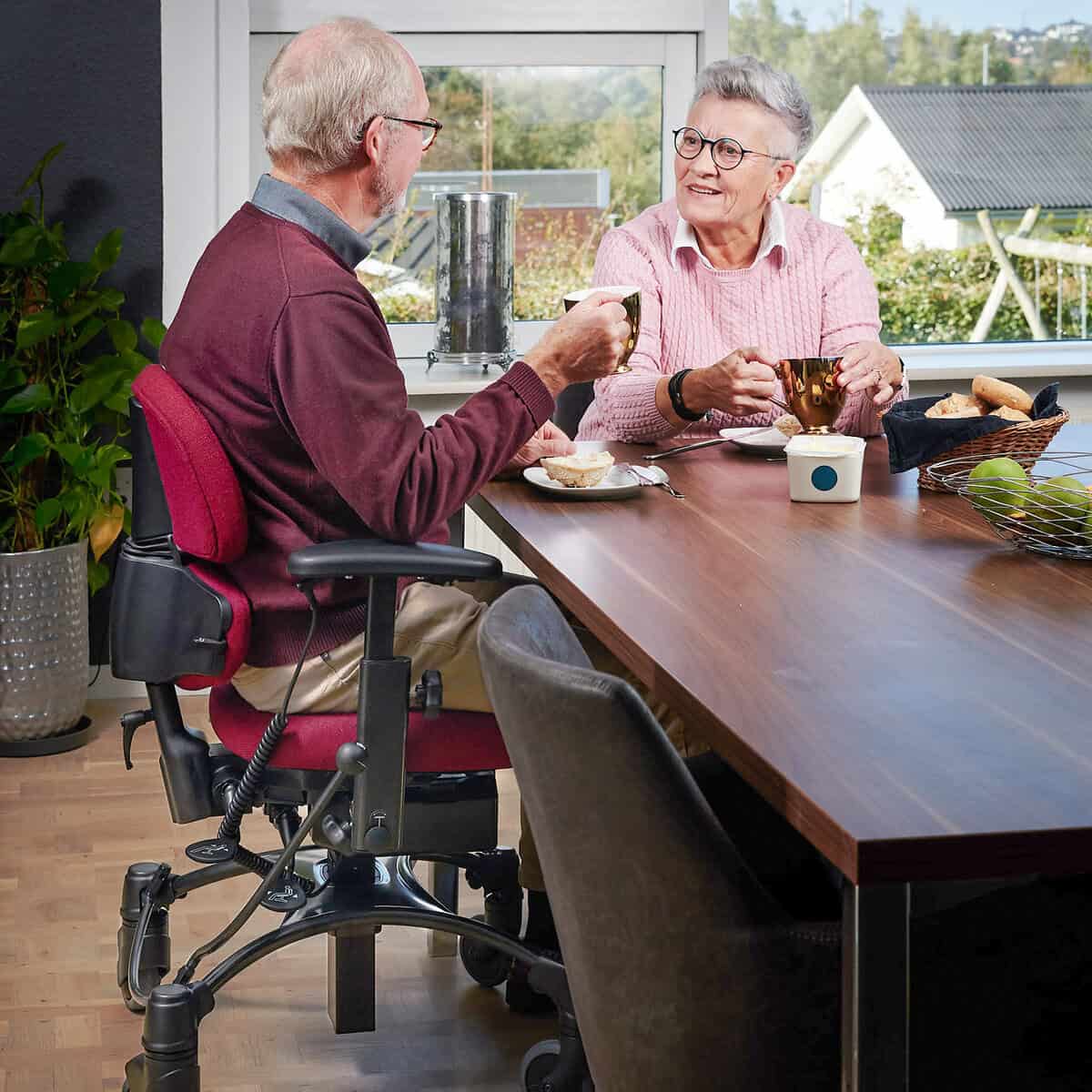
For seniors desiring to remain at home longer, mobility solutions like VELA can make a tangible difference. The VELA Independence Chair is designed to help individuals conserve energy and reduce the risk of falls with its central brake for added safety, electric height adjustability, and ease of movement while seated. These features allow seniors to perform everyday tasks—such as cooking, cleaning, and relaxing—with greater safety and efficiency. By enhancing safety and reducing caregiver burden, chairs like VELA can delay the need for nursing home care, all while supporting a life filled with dignity, freedom, and independence. While VELA represents one practical and proven approach, it affirms the broader commitment to designing homes that cater to the evolving needs of our aging population.
Sources:
- Missouri Department of Health & Senior Services
- Facility Guidelines Institute
- RoomSketcher
- VELA Chairs
- Brightview Senior Living
- Westmont Living
- 2026 Senior Placement Trends: Assisted Living & Memory Care Guide
- Five Design Trends to Watch in 2026
- Senior Living Trends to Watch in 2026
- Long Term Care 2026 Trends and Outlook
- HDG Execs: These 6 Trends Could Reshape Senior Living in 2026
- Trends to Watch: What’s Next for the Future of Senior Living