

Updated September 2025: We have updated the article with the latest advancements in AI-powered assistive technology, including smart glasses and brain-controlled prosthetics that enhance resident mobility and independence. We also cover the recent regulatory changes in Florida, such as new minimum licensure standards for assisted living facilities providing memory care, and trends in personalized AI solutions supporting individuals with intellectual and developmental disabilities.
Exploring Florida’s Assisted Living Landscape
With its warm climate and reputation as a retirement haven, the demand for assisted living facilities in Florida is growing. By 2025, an estimated 21.75% of Florida’s population will be over the age of 65, making it home to one of the largest elderly populations in the United States. According to ConsumerAffairs, this demographic shift underscores the importance of strategic planning for assisted living. To navigate this landscape, FloridaHealthFinder is an invaluable tool for comparing licensed facilities, offering insights into care quality, amenities, and more.
Understanding Assisted Living Facilities in Florida: Types and Services Offered
Florida offers a diverse range of assisted living facilities catering to various needs, including memory care, rehabilitation, and daily living assistance. Facilities often emphasize specialized programs for chronic conditions, such as Alzheimer’s and dementia, integrating comprehensive care tailored to individual needs. As noted by the AHCA/NCAL, common services include assistance with activities of daily living (ADLs), medication management, and health care plans customized to residents’ needs. Some facilities additionally provide wellness programs and transportation, enhancing the quality of life for residents.
Recent regulatory changes in 2025 have introduced updated minimum licensure standards for facilities providing memory care services, ensuring enhanced quality and accountability for specialty care. Florida now recognizes expanded licensure categories, such as extended congregate care licenses, which allow residents to receive higher levels of nursing and support services and age in place as their needs increase. These updated regulatory frameworks are designed to support improved care and enable residents with more complex medical requirements to remain within their chosen communities.[1][3]
Demographic Trends: Who Needs Assisted Living in Florida?
The demand for assisted living in Florida is driven by an aging population, particularly those over 85 facing mobility challenges and memory disorders. According to the Florida Office of Insurance Regulation, over 70% of Florida’s continuing care retirement communities (CCRCs) are nonprofit and 63% are professionally managed, ensuring quality care for residents. The typical profile of these residents involves significant assistance with daily activities, demonstrating the importance of tailored care plans.
Emerging assistive technologies are increasingly designed for residents with complex physical, intellectual, and developmental disabilities, supporting greater inclusion and rehabilitation. Personalized AI-driven devices and social engagement tools now play an important role in helping individuals with I/DD and mental health needs achieve greater autonomy and well-being within assisted living environments.[8]
2025 Costs: Navigating Pricing, Contracts, and Payment Options
The financial aspects of assisted living in Florida can vary significantly, with average monthly costs ranging from $4,500 to $5,500. Retirement Living notes that continuing care retirement communities often require entrance fees in addition to monthly charges. While private payment is common, some seniors qualify for Medicaid waiver programs to ease financial burdens. Financial planning is crucial, as many residents rely on retirement savings for funding.
How to Compare and Evaluate Florida Assisted Living Providers
Evaluating assisted living providers involves examining factors such as care quality, staff-to-resident ratios, and amenities. FloridaHealthFinder provides a platform for families to compare facilities, offering detailed information on services, reviews, and licensing. Critical considerations should include support for resident independence, safety protocols, and community reputation to ensure the best possible match for loved ones.
Enhancing Resident Mobility and Safety
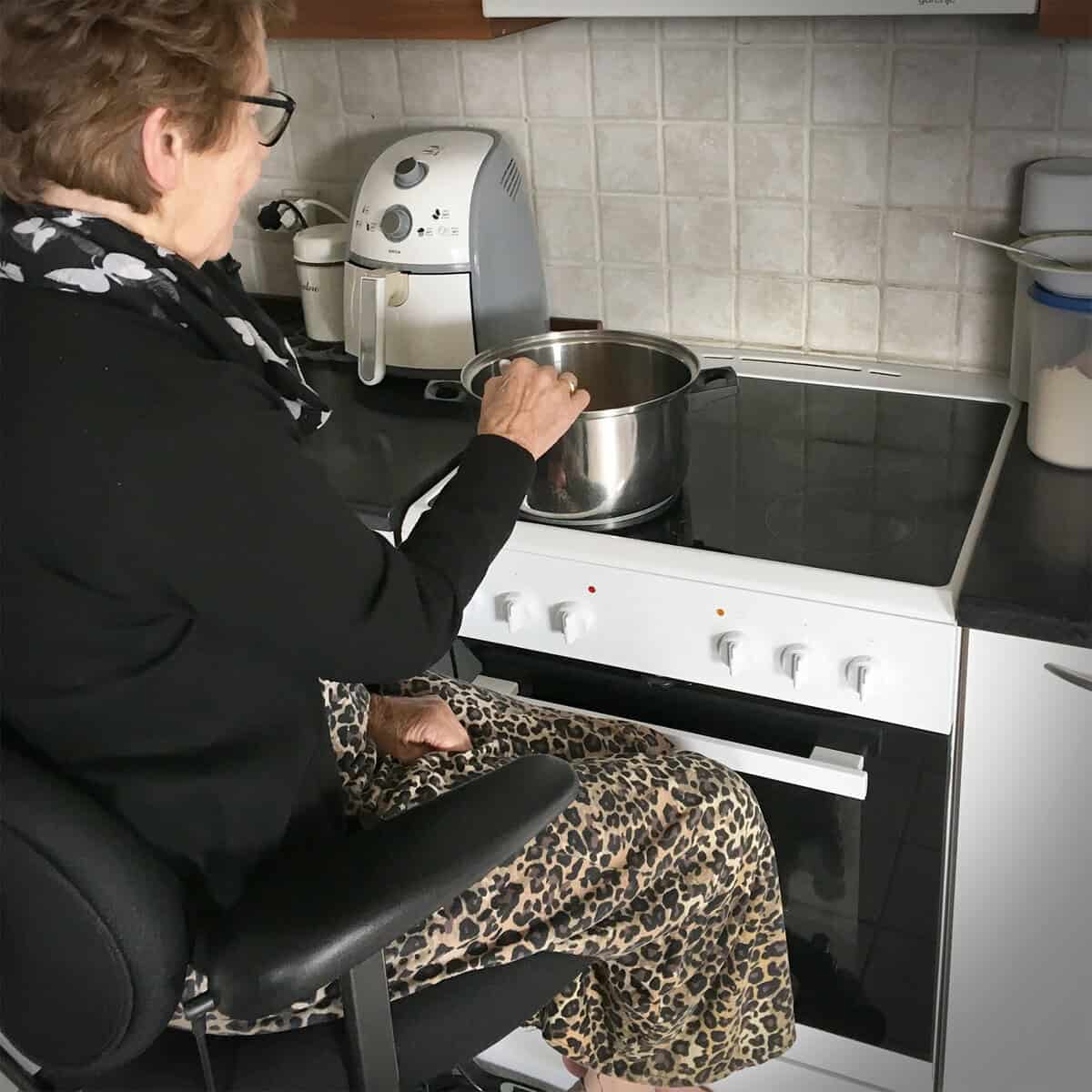
Finding the right balance between assisting aging individuals and promoting their independence is often a challenge. As families explore different living options, maintaining autonomy while ensuring safety becomes crucial. Innovative solutions like VELA chairs may offer a compelling alternative. VELA is a medically approved mobility chair designed for home use, delivering enhanced safety and freedom of movement. It allows individuals to carry out daily activities such as cooking, dressing, and transferring with less strain on themselves and their caregivers.
Breakthroughs in 2025 have expanded options for residents with mobility impairments. New assistive technologies include AI-powered smart glasses that enhance navigation and object recognition for those with visual impairments, as well as brain-controlled prosthetics offering more natural movement for individuals with limb loss. Advanced powered wheelchairs, robotic exoskeletons, and wearable devices now integrate seamlessly with user habits, increasing independence and usability. These tools are increasingly personalized, improving both therapeutic outcomes and daily living experiences.[2][4][6]
Supporting Aging in Place: A Practical Option
Innovations like the VELA Independence Chair significantly contribute to supporting aging in place, allowing individuals to maintain independence longer in their own homes rather than transitioning to nursing home care. Features such as a central brake enhance safety, and electric height adjustability aids in reaching various surfaces securely. Furthermore, the chair’s mobility promotes ease of movement from one task to another, thus reducing caregiver burden. A day with a VELA chair means more energy for activities and a greater sense of freedom, leading to improved quality of life. While it is not the only option available, VELA remains a proven and practical solution for those seeking to balance dignity, safety, and functionality in everyday life. Solutions like Mobility Chairs for Enhanced Independence and Mobility Support for Senior Independence provide valuable insights into how such innovative design can complement assisted living strategies effectively.
Sources: