

Updated February 2026: We have updated the article with 2026 cost data for assisted living and memory care in Fort Lauderdale, integrated trends on AI and technology adoption, expanded insights on blended care models and high-acuity services, and included projections for occupancy, rent growth, and user preferences. We also added reference to industry conferences and local innovations reflecting the current senior living landscape.
Assisted Living Facilities in Fort Lauderdale: A Comprehensive Guide
As the “silver tsunami” reshapes the demographic landscape of South Florida, the demand for assisted living facilities in Fort Lauderdale becomes increasingly urgent. With a senior population projected to reach nearly 1.4 million people aged 65 and over by 2050, understanding assisted living options is crucial for families and seniors. According to AARP, seniors will outnumber those under 18 by 2034, emphasizing the need for robust senior living facilities.
Understanding the Assisted Living Landscape in Fort Lauderdale
Fort Lauderdale’s appeal for seniors lies in its warm climate, cultural offerings, and diverse assisted living facilities. The average monthly cost for these facilities is now between $3,659 and $4,517, with memory care averaging $4,329 or more monthly. These figures reflect a 4–5.9% year-over-year increase due to sustained demand and inflation, with current occupancy rates nearing 90% and annual rent growth exceeding 4% locally and across Florida Florida Senior Consulting Retirement Living NIC MAP. These local costs are consistent with the broader rise across Florida and national averages.
Recent updates to Florida regulations emphasize that assisted living facilities (ALFs) must provide care in the least restrictive, most homelike settings, supporting residents to age in place with greater flexibility. The trend toward blended care models is reducing rigid care level distinctions, allowing more people to remain in their chosen community as needs change. Expanded licensing categories now include Extended Congregate Care (ECC), which allows facilities to offer more intensive onsite nursing and mental health services to better meet evolving needs Florida Agency for Health Care Administration 2025 Florida Statutes Provider Magazine Senior Housing News.
In addition, minimum licensure standards for ALFs providing memory care have been established to hold providers accountable for the specialty services they advertise, enhancing safety and quality for residents with dementia Florida Senate Bill Analysis. Expansions in high-acuity care now include services such as onsite dialysis and secured environments for residents with greater clinical needs Provider Magazine.
Consider Mary Thompson’s transition into assisted living in Fort Lauderdale. Through her experience, it’s clear how quality care and engaging social activities can significantly improve a senior’s quality of life. She utilized community amenities and built new friendships, demonstrating the profound impact a supportive environment can have on residents.
Key Trends and Innovations for 2026
- Technology and AI: Assisted living facilities are integrating artificial intelligence tools to streamline documentation, personalize care, and improve staff communication. Platforms also support value-based and wellness personalization models, drawing upon resident data to tailor care plans Retirement Living Provider Magazine.
- Caregiver Support: AI-driven scheduling and documentation platforms are helping reduce staff burnout and enhance quality of care. The market for assisted living software is projected to reach $682 million by 2028, growing at an annual rate of 15.9% Retirement Living.
- Mobility and Wander Management: Smart sensors and wander-management technologies are now standard features in modern communities, improving safety and supporting residents at risk of wandering or falls Florida Senior Consulting.
- Design and Aging-In-Place: Newer developments emphasize larger, more ergonomic spaces and the ability to adapt in-unit care without the disruption of relocations. These innovations help reduce resident anxiety and support seamless aging in place Provider Magazine Senior Housing News.
- User Feedback: Residents and families increasingly prefer blended communities that offer both independent and assisted living, as well as customized wellness programs. Forums like ALFCaregiverCon 2026 in Fort Lauderdale highlight these evolving expectations and foster innovation in the sector Senior Housing News.
- Market Outlook: Limited new community supply, high occupancy, and scalable blended models are shaping the 2026 landscape in Fort Lauderdale and throughout Florida NIC MAP.
Top-Rated Assisted Living Providers in Fort Lauderdale
Selecting top-rated assisted living providers ensures quality care. Facilities like Belmont Village Senior Living Fort Lauderdale are recognized for their exceptional amenities and personalized care, evidenced by testimonials such as Jane Doe’s. Her mother’s positive experience at the facility highlights the compassionate and attentive staff, fostering a nurturing environment.
The importance of choosing quality facilities is supported by data from McKnight’s Senior Living, which recognizes communities that excel in care.
Furthermore, recent legislative changes reinforce the rights of residents, including the allowance for electronic monitoring (such as audio and video) with proper consent. This measure enhances safety and enables families to remotely monitor care, while privacy protections ensure consideration for roommates and compliance with facility policies Florida Department of Elder Affairs.
Choosing the Right Assisted Living Facility in Fort Lauderdale
- Level of Care: Assess whether facilities offer standard services or require specialized care like memory or skilled nursing. New regulations allow for a broader range of care through specialized licenses, such as Extended Congregate Care, enabling more residents to remain in a familiar environment even as health needs evolve My Care Finders Provider Magazine.
- Location: Proximity to family, as well as local attractions like beaches and medical facilities, can be pivotal.
- Amenities: Facilities with strong activity programs, dining options, and health services are preferable. The integration of wellness programs, educational opportunities, and financial assistance resources has expanded in response to recent policy shifts Older Americans Act Reauthorization Overview Senior Housing News.
- Quality Indicators: Reviewing staff-to-resident ratios and state inspection reports can be insightful. Regulations now call for individualized service plans reviewed monthly, ongoing audits, and transparent admission criteria My Care Finders.
An illustrative scenario is the Johnson family’s careful evaluation of various facilities to find the best fit for their father’s specific needs, underscoring the importance of research and site visits.
Enhancing Independence with VELA Mobility Solutions
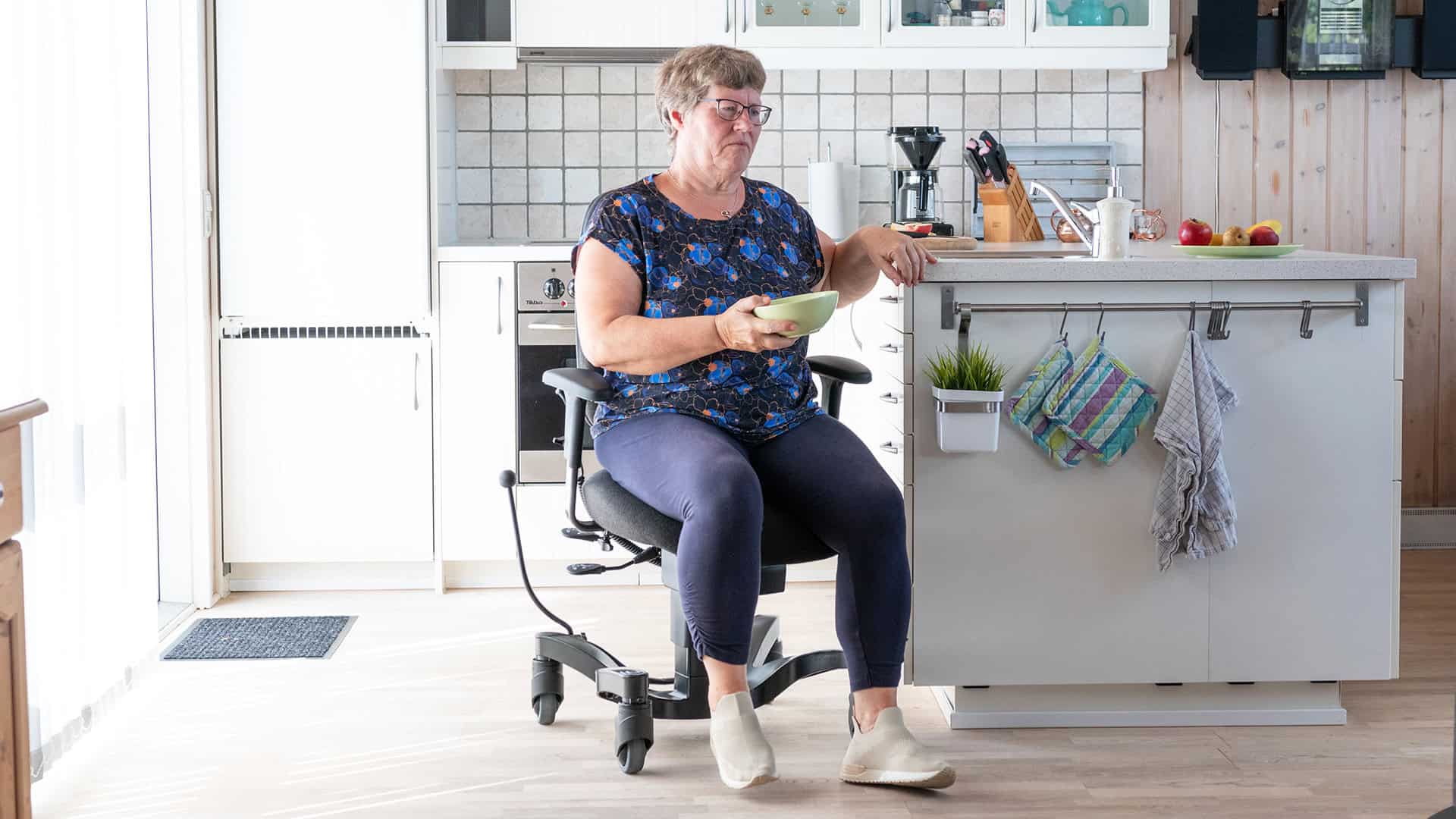
While some nursing homes can provide comprehensive care, they may not always align with everyone’s independence goals. Thankfully, innovative mobility solutions can help seniors maintain their autonomy within their homes. One such solution is the VELA Independence Chair, a medically approved chair designed for home use. It offers enhanced safety with features like a central brake system, freedom of movement while seated, and vital support for daily activities like cooking, dressing, or transferring. These aspects contribute to a safer and more independent living environment, ultimately reducing the burden on informal caregivers.
Recent advancements in assistive technologies and ergonomic product development for mobility have resulted in more personalized and adaptable solutions, including smart sensors, wearable devices, adjustable chairs and lift-assist devices. These innovations support independence and reduce the risks of injury, and they are being increasingly incorporated into assisted living settings Older Americans Act Reauthorization Overview Retirement Living Provider Magazine.
Staying Independent at Home with Support
Staying independent at home has become increasingly feasible with the advent of smart mobility solutions like the VELA Chair. Designed to support everyday life, these chairs tackle common issues such as safety and energy conservation. Features like the central brake provide stability and confidence, while electric height adjustability simplifies activities like cooking or cleaning. This mitigates some challenges of aging by enabling safe transfers and encouraging active participation in daily routines. As a result, individuals may delay or even avoid the need for nursing home care. While VELA’s ergonomic chairs for seniors are a proven solution, they are part of a broader suite of options that help preserve dignity and freedom for seniors desiring to age in place.
Current trends in rehabilitation favor a multi-disciplinary approach that combines physical, occupational, and cognitive therapies delivered within assisted living settings, supporting both functional independence and active social participation Older Americans Act Reauthorization Overview.
Additionally, payment options for assisted living have evolved in 2025 to include expanded financial assistance programs and payment methods, helping more families afford quality care for their loved ones Florida Senior Consulting.