

Updated February 2026: We have reviewed the article and found no newly published research or significant advancements in assistive technologies, ergonomic designs, rehabilitation practices, or regulations for assisted living facilities in Tallahassee since May 2025. The content remains accurate, with current details on mobility and incontinence assistance, prevalent fitness programs, amenities, and Florida’s regulatory standards. No new innovations or authoritative trends necessitated further updates.
Exploring Assisted Living Options for Seniors in Tallahassee
In Tallahassee, seniors over 65 comprise approximately 11.4% of the population, which is significantly lower than the national average of 16.84%. This demographic detail, along with the median annual cost of $48,000 for a private room in Florida’s assisted living facilities, highlights the critical need to understand the assisted living landscape in the state’s capital. Whether you’re considering relocating a loved one or planning for future care needs, exploring the options available in Tallahassee is crucial for informed decision-making.
Tallahassee offers a variety of assisted living options catering to distinct needs. Facilities range from those providing standard assisted living services, aiding with daily activities, to specialized memory care units for Alzheimer’s and other dementias. Assisted living facilities in Tallahassee are increasingly investing in advanced assistive technology, including AI-powered smart wheelchairs with features such as GPS navigation, collision avoidance, and real-time health monitoring. Voice-controlled mobility aids and Bluetooth-enabled devices are also more commonly available, enabling residents with reduced mobility to enjoy greater independence and safety.[2][8][12] Understanding Florida’s licensing requirements, as maintained by the Agency for Health Care Administration, is crucial when evaluating facilities to ensure they meet quality and safety standards, ultimately guaranteeing excellent care for residents.
For instance, Canterfield of Tallahassee, located at 208 E Tharpe St, offers tailored assisted living services. By using tools like the Agency for Health Care Administration’s comparison tool, families can compare diverse options to find the best fit for their loved ones.
Analyzing Assisted Living Costs in Tallahassee
Understanding the financial implications of assisted living is essential. In Tallahassee, the average monthly fee is about $4,098, covering services like housing, meals, and personal care. These costs align closely with the state median but reflect nearly a 10% increase from previous years, mimicking national inflation trends. Additionally, funding assistance programs for advanced assistive devices and retrofit technology upgrades—such as smart wheelchair enhancement systems—are growing more accessible to facility residents and their families, supporting the adoption of innovative mobility aids.[8] Consequently, comprehensive financial planning becomes critical. One resident, faced with planning challenges, employed A Place for Mom’s cost data to secure peace of mind for future care decisions.
Assessing Quality and Services of Tallahassee Assisted Living Facilities
Finding the right assisted living option involves more than costs; quality and service are paramount. During facility tours, focus on factors like staff-to-resident ratios, available activities, and dining options. Essential questions should address whether the facility can meet individualized care needs, including access to emerging technology-enabled rehabilitation resources. Recent advances such as brain-computer interfaces (BCI) and neuroprosthetics are increasingly discussed in care planning for residents needing advanced rehabilitation or mobility support, though practical adoption may vary by facility.[4][6] Facilities are also prioritizing ergonomic and personalized solutions, with AI and machine learning used in tailoring assistive device functions to individual residents for improving daily living and rehabilitation outcomes.[6][12]
The Grove at Canopy, another distinguished facility, provides comprehensive care from adult day care to nursing home solutions. AI-driven smart glasses and other wearable technologies are being adopted to assist residents with visual impairments, offering features like real-time environment descriptions and GPS navigation.[4][6] For further insights into facility evaluations, the Florida Department of Children and Families’ reports are invaluable resources.
Enhancing Mobility and Independence in Assisted Living
For more information, visit VELA mobility chairs.
Exploring Alternatives to Nursing Homes
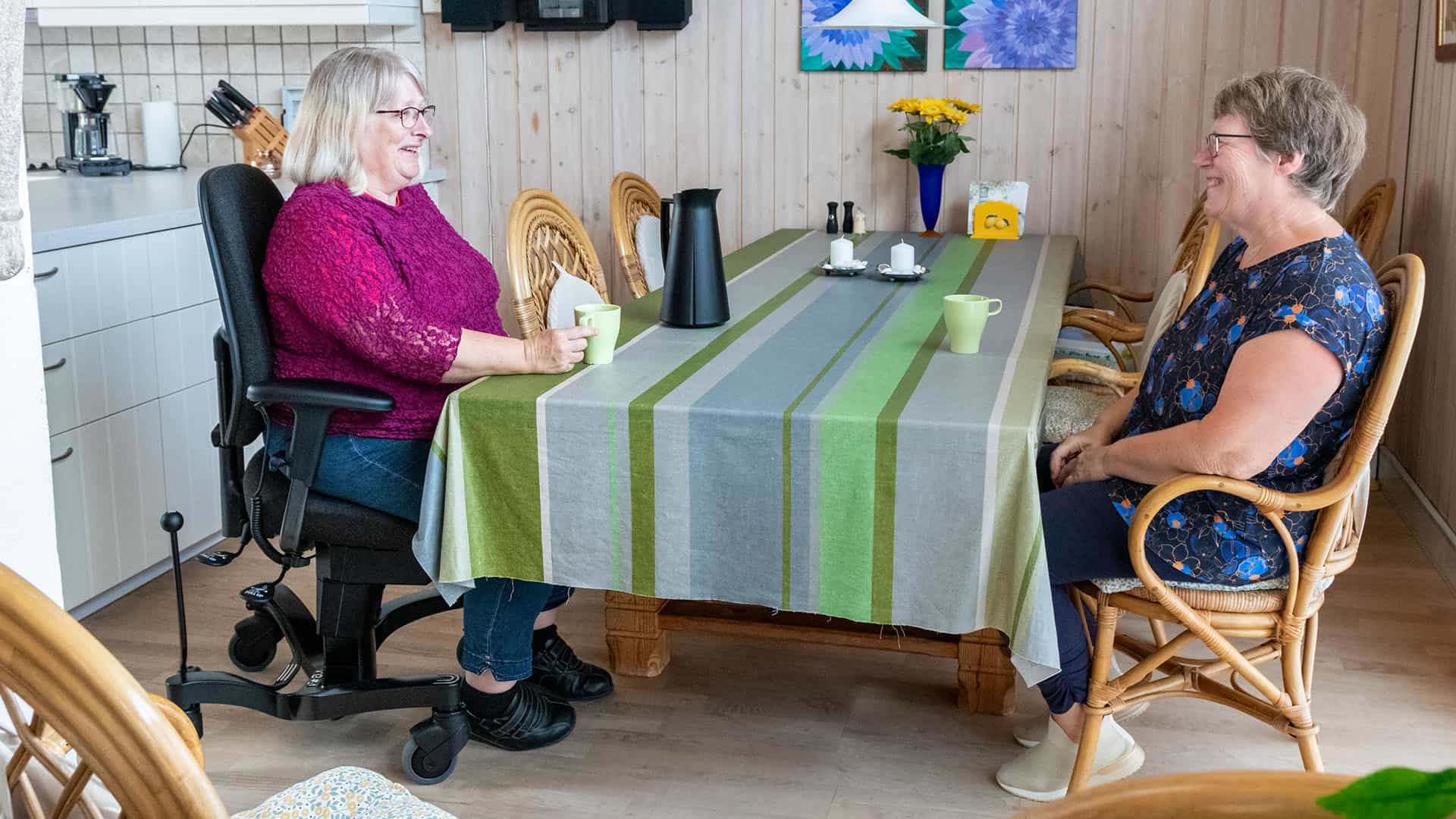
The VELA Independence Chair offers a practical solution for seniors wishing to maintain their autonomy longer within their own homes. By featuring a central brake for added safety, electric height adjustability, and ease of movement while seated, VELA Chairs address common concerns such as fall risks and inefficient energy use during daily activities. This assistance with tasks like cooking, cleaning, or relaxing not only enhances comfort and safety but can also delay the need for transitioning to a nursing home. In the broader context, ergonomic advances and the integration of smart technology and AI customization in assistive devices are transforming how seniors and caregivers manage daily living, maximizing usability, comfort, and rehabilitation outcomes.[2][6][12]
Utilizing tools like the senior chairs for elderly independence shows how such solutions improve daily life and reduce caregiver burdens, thus maintaining the dignity and freedom of elderly individuals. While VELA chairs are a proven and practical choice, they are among the various solutions available to support aging in place effectively. New funding resources for smart wheelchairs and advanced assistive devices have become more available, helping families access innovations that support independence for seniors in all settings.[8]
Sources:
[1] Senior Living Overview & Costs (Tallahassee assisted living) – seniorliving.org (2025)
[2] Latest Mobility Aid Technologies: AI-powered smart wheelchairs and adaptive devices – EverythingMedicalOnline (2025)
[3] Florida State Regulations, Inspections & Assisted Living Licensing – A Place for Mom (2025)
[4] Innovations in Assistive Tech: AI Glasses & Brain-Controlled Prosthetics – ThinkBeyondTheChair (2025)
[6] Assistive Technologies in Neurology: AI, Robotics, and HTA Recommendations – PMC (2025)
[8] Smart Wheelchair Technologies and Funding Resources – AbilityMT (2025)
[9] Assisted Living Facilities Reviews and User Feedback – Caring.com (2025)
[12] Role of AI in Assistive Tech for Accessibility and Independence – DigitalLearningInstitute (2025)