

Updated September 2025: We have updated the article to reflect new 2025 Florida regulations on assisted living and memory care, including minimum licensure standards, stricter compliance in staffing, medication management, emergency planning, and individualized care planning. We have also included recent trends in smart assistive technologies and discussed the impact of federal Older Americans Act reauthorization on wellness and social engagement programs in Tampa’s assisted living facilities. New authoritative sources are provided for the most current regulatory and industry guidance.
Assisted Living Facilities in Tampa, Florida
As Tampa’s elderly population nears 690,000, the need for quality assisted living facilities gains significance. According to Axios Tampa Bay, from 2020 to 2023, there was a 9.5% growth among residents aged 65 and older, highlighting a demographic shift that underscores the demand for supportive environments tailored to seniors’ unique needs. Furthermore, Florida Senior Consulting notes that Tampa offers an average monthly cost for assisted living at $3,554, which is markedly lower than both state and national averages.
Navigating Assisted Living Options in Tampa
Assisted living communities provide essential care, bridging the gap between independent living and the extensive support found in nursing homes. These facilities offer a wide array of services, helping seniors with daily living activities, medical supervision, and specialized care for ailments such as dementia and arthritis.
For instance, The Estate at Hyde Park is noted for its memory care, providing a safe and supportive environment for individuals with cognitive impairments. Its proximity to medical centers in Tampa is often a deciding factor for families seeking peace of mind regarding health emergencies (Florida Health Care Association). In 2025, new minimum licensure standards for memory care have been introduced across Florida, ensuring that facilities offering these services meet state requirements for staff training, individualized care, and specialized program delivery (Florida House Bill Analysis on Minimum Licensure for Memory Care).
Comprehensive Care and Support in Tampa’s Assisted Living
Tampa’s assisted living facilities cater to diverse needs by offering services that enhance the quality of life. Residents benefit from daily living assistance, memory care programs, and vibrant community activities. Many facilities boast unique features such as pet-friendly environments and on-site medical support, contributing to a holistic care approach. Following the 2025 regulatory updates, Florida’s Agency for Health Care Administration (AHCA) enforces stricter compliance rules, especially around medication management, required staffing ratios, and emergency preparedness. These measures enhance safety and accountability for all residents (Florida Agency for Health Care Administration – Assisted Living Compliance).
Senior Point Assisted Living is exemplary with its array of amenities, modern recreational options, and proximity to healthcare facilities. Such comprehensive offerings play a pivotal role in residents’ well-being, allowing them to thrive in a nurturing environment (A Place for Mom). Enhanced environmental health permits and compliance inspections are now required for all assisted living communities, including those located in Tampa. These mandates reinforce standards for safety, sanitation, and quality of life (Florida Department of Health – Environmental Permits and Requirements for ALFs).
In addition to required program offerings, assisted living facilities are increasingly adopting innovative assistive technology. There is a growing emphasis on ergonomic and user-centered designs, including smart mobility aids and rehabilitative tools tailored to residents’ needs. These technologies enhance independence and safety, aligning with ongoing advances highlighted throughout Florida in 2025 (Reauthorization of Older Americans Act (OAA) impacts on senior care).
Understanding the Costs of Assisted Living in Tampa
Considering assisted living in Tampa involves a critical look at costs, crucial for families. The average monthly expense is significantly below the state average of $4,200, positioning Tampa as an affordable option. Understanding payment avenues like Medicaid becomes vital for those seeking financial assistance. Many residents and their families successfully navigate these costs by leveraging Medicaid benefits (A Place for Mom).
Assisted living providers must now adhere to specified service license types defined under Florida’s updated statutes (Florida Statutes 2024/2025 – Assisted Living Licensing and Enforcement). New regulatory requirements clarify the scope of care: residents needing 24-hour nursing care beyond the facility’s license can no longer be admitted, except under specific Extended Congregate Care arrangements. All assisted living communities must now provide individualized service plans, updated at least monthly or whenever a resident’s condition changes (Florida Assisted Living Laws and Regulations overview (2025 updates)).
Selecting the Perfect Assisted Living Facility in Tampa
Choosing the right facility entails evaluating various factors, such as amenities, staffing, and community atmosphere. Tours provide an opportunity to assess the environment, while user reviews offer valuable insights into the level of care and satisfaction. Families often visit multiple facilities, evaluating cleanliness and staff interactions before selecting a community that meets their expectations (Florida Senior Consulting).
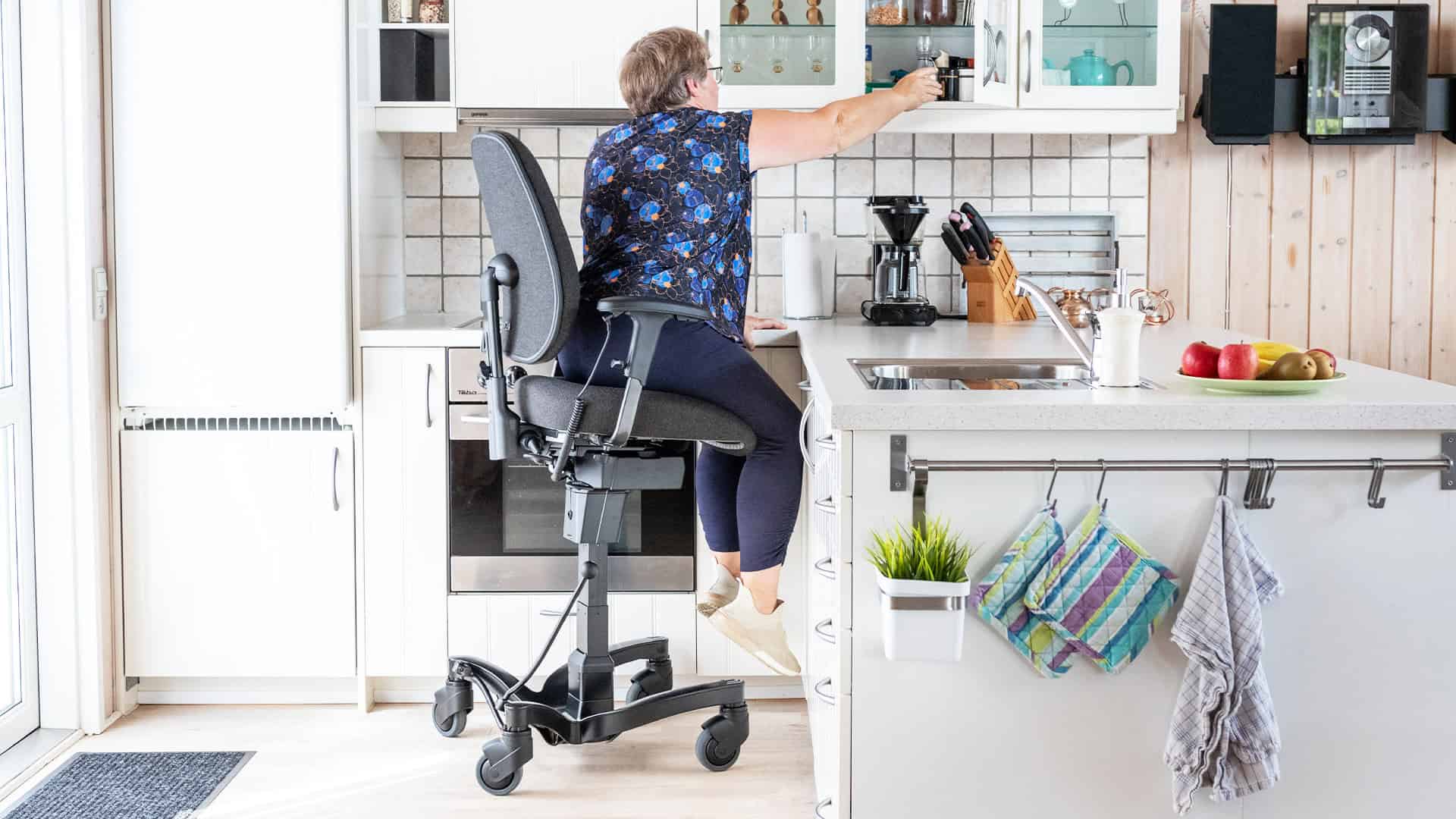
In the journey of aging, many seniors prefer to remain in familiar settings where they can maintain independence and comfort while managing health challenges. In situations where nursing homes might seem necessary, innovative solutions like the VELA Independence Chair present viable alternatives. VELA chairs are medically approved mobility aids designed to enhance seniors’ independence at home by offering safety features, such as a central brake, ease of movement while seated, and support for daily tasks like dressing or preparing meals. They also reduce the reliance on informal caregivers, enabling older adults to thrive in their preferred environment.
Tampa offers a range of assisted living options that are both affordable and in tune with the needs of the growing senior population. The integration of innovative mobility solutions, like VELA chairs, further enriches resident life by enhancing independence and safety within these communities (Florida Agency for Health Care Administration). As the demand for such services continues to rise, a comprehensive understanding of available options and costs is essential for making informed decisions to ensure the well-being of senior loved ones. On a broader policy level, the reauthorization of the Older Americans Act in 2024 and extended compliance requirements for 2025 have promoted healthy aging, chronic disease management, and senior engagement programs within Tampa’s assisted living communities (Reauthorization of Older Americans Act (OAA) impacts on senior care).
Florida Agency for Health Care Administration – Assisted Living Compliance
Florida House Bill Analysis on Minimum Licensure for Memory Care
Florida Assisted Living Laws and Regulations overview (2025 updates)
Florida Department of Health – Environmental Permits and Requirements for ALFs
Reauthorization of Older Americans Act (OAA) impacts on senior care
Florida Statutes 2024/2025 – Assisted Living Licensing and Enforcement
National Center for Assisted Living – 2024/2025 Assisted Living State Regulatory Review