

Updated October 2025: We have updated the article to reflect the latest advancements in AI-driven assistive technologies, recent ergonomic rehabilitation trends, and evolving regulatory considerations in assisted living. The article now covers AI-powered wearables, enhanced indoor navigation systems, new rehabilitation tools, and current insurance and ethical guidelines. Recent market data and expert insights on integrated assistive solutions have also been incorporated.
Understanding Assisted Living Facilities Insurance: A Comprehensive Guide
Navigating the realm of assisted living can be daunting, especially when factoring in the complexities of insurance. Assisted living facilities insurance serves as a crucial component in ensuring both facilities and residents are protected. This comprehensive coverage is essential for mitigating risks and ensuring the delivery of quality care. The average annual cost of assisted living is approximately $64,000, a figure largely unsupported by traditional health insurance. According to Care.com, most of these expenses fall outside the purview of standard health plans. This necessitates more specialized insurance solutions to prevent the depletion of residents’ assets.
What Types of Insurance Do Assisted Living Facilities Require?
Assisted living facilities (ALFs) need a robust insurance portfolio to operate safely and legally. Typically, these facilities must carry liability insurance to protect against personal injury claims, property insurance for facility contents and buildings, and increasingly, cyber insurance to safeguard sensitive data from breaches. State-specific variations exist in insurance requirements, with some states imposing strict mandates on the coverage types and limits needed for compliance, as noted by the Leavitt Group. A real-life example illustrating the importance of comprehensive insurance coverage is a case where liability insurance shielded an ALF from a lawsuit following a resident’s injury, demonstrating how vital such coverage is for safeguarding operations.
Does Insurance Pay for Assisted Living? What Are the Limitations?
Many people expect traditional health insurance to cover ALF expenses, but this is rarely the case. The role of long-term care insurance becomes pivotal here, offering a lifeline where other policies fall short. According to Senior Services of America, specific insurance policies cater to the unique needs of assisted living, albeit with limitations depending on policy benefits. For instance, long-term care insurance can significantly alleviate the financial burden on families, as evidenced by scenarios where these policies covered portions of a resident’s costs, thereby easing the strain on their loved ones.
What Are the Real Costs of Assisted Living and What Financial Help Exists?
The financial landscape of assisted living is complex and varies significantly by region. Average annual costs can fluctuate, with estimates ranging from $3,500 to $7,000 monthly in Pennsylvania, for example. Practical financial planning is essential. Resources like the Commonwealth of Pennsylvania’s Long-Term Care Partnership Program can help protect assets by allowing policyholders to retain more property under Medicaid. Consider the experience of a family who successfully leveraged Medicaid and long-term care insurance to make assisted living more affordable, underscoring the importance of informed financial preparation.
How Do I Choose the Best Assisted Living Facility for My Needs?
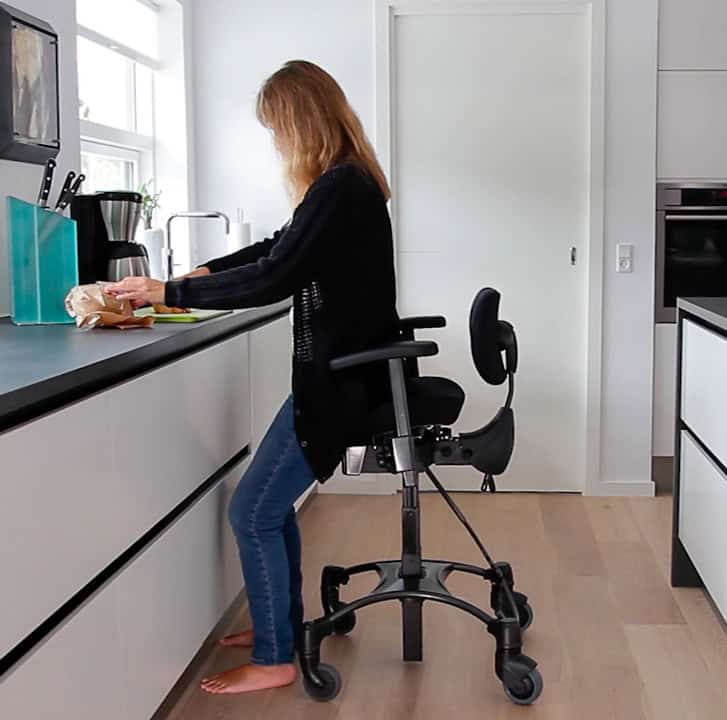
Selecting the right assisted living facility involves careful consideration of several factors, including safety features and support for resident independence. This is where innovative solutions like VELA mobility chairs come into play. These chairs enhance resident safety and autonomy through features such as fall prevention, ergonomic designs, and adjustable settings. Assisted living environments and nursing homes have long been known for their challenges related to resident safety and independence. These challenges are prompting a shift towards solutions that allow older adults to remain independent in their own homes. VELA is one such solution—a medically approved mobility chair designed for home use. By providing enhanced safety, freedom of movement while seated, and support for daily activities like cooking, dressing, or transferring, it also reduces the load on informal caregivers. Recent advances in assistive technology include AI-powered smart glasses, wearables with real-time object and facial recognition, and advanced indoor navigation systems for complex environments such as hospitals and large facilities. These devices can provide discreet feedback using bone conduction audio and offer multilingual support, further enhancing independence and safety for residents. Additionally, emerging assistive tools such as sip-and-puff systems and text-to-speech technologies now offer vital help for those with reduced mobility or communication needs. Florida Reading Blog LetsEnvision Community Blog Asian College of Teachers.
Enhancing Resident Safety and Independence with VELA Chairs
For facilities aiming to provide the highest standard of care, integrating VELA chairs into the environment can be transformative. These chairs address specific challenges faced by residents, such as the risk of falls and the need for improved mobility and independence. With secure brakes, adjustable height, and ergonomic support, VELA chairs are a wise investment for any facility prioritizing resident well-being. In addition to VELA, the adoption of AI-driven mobility aids now provides real-time obstacle avoidance, accessible route mapping, and integrated AI assistants that deliver support seamlessly throughout the day. Inclusive, user-centered ergonomic designs—now prioritized in current best practices—help tailor aids to meet individual needs while providing real-time feedback through AI, thereby improving outcomes for residents in rehabilitation and daily living. Growing awareness about ethical AI use, data privacy, and inclusive clinical guidelines is shaping insurance coverage terms, aligning technological adoption with user safety and privacy regulations. Digital Learning Institute Deloitte AI Institute.
Ensuring Comprehensive Care with the Right Insurance Solutions
In summary, understanding assisted living facilities insurance is vital for both financial planning and risk management. Specialized insurance types, in conjunction with safety innovations like VELA chairs and AI-enhanced mobility aids, play a critical role in ensuring that facilities not only adhere to regulatory requirements but also provide high-quality care and security for their residents. As advised by Senior Services of America, selecting the right insurance products tailored to meet the specific needs of assisted living is essential for comprehensive care and peace of mind. Furthermore, current insurance and industry guidelines now emphasize both user safety and ethical deployment of AI technologies, with developed countries seeing significant growth in integrated assistive solutions and an expanding market for advanced support systems.Market.us Media Report CES Accessibility Trends.
Choosing the right facility, understanding insurance needs, and leveraging technology all contribute to creating a supportive, safe, and financially manageable assisted living experience.
The VELA Chair stands out as a practical solution for those wishing to maintain independence at home longer. Designed with features that address common challenges such as safety, ease of transfers, and energy conservation, VELA Chairs feature a central brake for safety and electric height adjustability, enhancing user convenience and confidence. Such mobility solutions empower older adults by making everyday tasks like cooking, cleaning, and moving around more manageable, thereby preserving their freedom and dignity. While it is acknowledged that solutions vary in the realm of elder care, VELA remains a proven and practical option. By minimizing the dependency on caregiver assistance, this solution can significantly delay the need for transition into a nursing home, enhancing quality of life for older adults and peace of mind for families.