

Updated February 2026: We have updated the article to include references to newly opened and renovated assisted living facilities in White Rock, such as Bayview Seniors Community and recent updates to White Rock Seniors Village, along with current amenities including integrated health clinics and dementia-certified staff. No new authoritative research on assistive devices, ergonomic design, or regulatory trends was identified for this period.
Updated October 2025: We have updated the article with new findings on AI-powered mobility aids, ergonomic and inclusive design, virtual reality-enhanced rehabilitation, updated assisted living regulations in British Columbia, and the latest trends in smart home automation and user preferences.
Assisted Living Facilities in White Rock: Navigating Senior Living Options
White Rock, British Columbia, stands out as a charming community with a significant senior population, making it a prime location for assisted living facilities. With seniors comprising 37.3% of its population—significantly above the national average—the city offers a variety of supportive living options designed to meet diverse needs. This guide explores the array of assisted living possibilities in White Rock, offering a comprehensive view for seniors and their families.
Exploring Assisted Living Options in White Rock
White Rock offers various levels of care, tailored to suit different needs, ranging from independent living to assisted and long-term care. Understanding the distinctions between these options is crucial for making informed decisions.
- Independent Living: Best for seniors who are active and independent but prefer to live in a community that offers social opportunities and basic services like housekeeping and dining. This setting is particularly appealing in White Rock, given its vibrant community and scenic seaside location. Recent advancements in smart home automation and adaptation technologies have made independent living even more accessible and comfortable, meeting a growing demand for customizable, automated daily supports MedlinePlus 2025.
- Assisted Living: Provides additional support with daily activities such as bathing, dressing, and medication management, ideal for those needing more help to maintain their independence. According to Retirement Concepts, these facilities cater to the growing need for supportive environments, especially for the 59% of residents aged 85 and older who live alone. Facilities are increasingly integrating AI-powered assistive devices and real-time monitoring systems, which provide adaptive support for mobility and safety while empowering residents to remain engaged in daily activities PubMed 2025.
- Long-Term Care: Designed for individuals requiring 24-hour supervision and medical care, often due to chronic health conditions. The need for such comprehensive care options highlights the city’s commitment to its senior population. Rehabilitation protocols in these environments now commonly blend technology-assisted care, such as virtual reality programs and advanced mobility aids, to improve both physical and cognitive outcomes WHORehabGuidelines2025.
Consider a typical resident scenario: Margaret, 82, was living independently but struggled with mobility and managing daily tasks. After discussing with her family, she transitioned to an assisted living community, which now provides her with the perfect balance of independence and necessary assistance. Integration of new AI-powered mobility aids and adaptive technologies allows Margaret to move safely and remain active in social and physical activities.
Understanding White Rock’s Senior Demographics and Care Needs
White Rock’s appeal as a retirement destination stems from its scenic beauty and vibrant community. With seniors making up 37.3% of the population, the city offers a welcoming environment for elder care services. As Statistics Canada indicates, this demographic is predominantly female and often faces challenges that supportive communities can alleviate. The peaceful seaside setting, coupled with local amenities, makes White Rock an attractive location for senior living. User feedback reported in recent surveys shows growing acceptance among seniors for smart technology and connected care solutions that promote autonomy and support meaningful social engagement MedlinePlus 2025.
Leading Assisted Living Facilities in White Rock
Prominent facilities like White Rock Seniors Village exemplify the strong community offerings in the area. They provide comprehensive services and amenities tailored to residents’ needs, from meal services to wellness programs. Emphasizing the aging-in-place concept, these facilities adapt to changing care requirements without necessitating relocation. For instance, one resident, John, aged 87, benefits greatly from the varied care levels, ensuring he receives appropriate assistance as his needs evolve over time. Increasingly, facilities offer AI-powered mobility aids, adaptable furniture based on ergonomic design principles, and technology-enhanced rehabilitation such as VR-based programs for active recovery and social engagement HarvardGeriatrics2025WHORehabGuidelines2025. This flexibility makes such facilities ideal for long-term residence, ensuring continuity of care that is both personalized and responsive to new clinical guidelines and resident expectations.
In recent developments, new and updated facilities in White Rock include Bayview Seniors Community, which opened in December 2025 and features dementia-certified staff and ocean-view patios, and the renovated White Rock Seniors Village. Facilities such as Amica White Rock now provide in-house medical clinics, while other communities feature memory care, ergonomic suite designs, secure gardens, and 24/7 nursing care. These additions offer more choices and amenities for residents seeking supportive environments.
Financial Considerations for Assisted Living in White Rock
Understanding the financial implications of assisted living is crucial. According to the British Columbia Seniors’ Housing Report, average costs can vary greatly, influenced by the level of care and amenities provided. Comparing these costs to other regions allows prospective residents to budget effectively. Financial assistance programs are available to help alleviate some expenses, making these options more accessible. Crafting a financial plan involves assessing long-term affordability; for example, one couple evaluated their retirement savings to ensure they could sustain their lifestyle comfortably in assisted living.
Recent policy updates in British Columbia now require facilities to demonstrate technology readiness, integrate emergency response features, and increase staff training related to assistive devices and digital health monitoring BCHealthAuthority2025. These regulatory changes support safer, more responsive care environments and may influence cost considerations when selecting among providers.
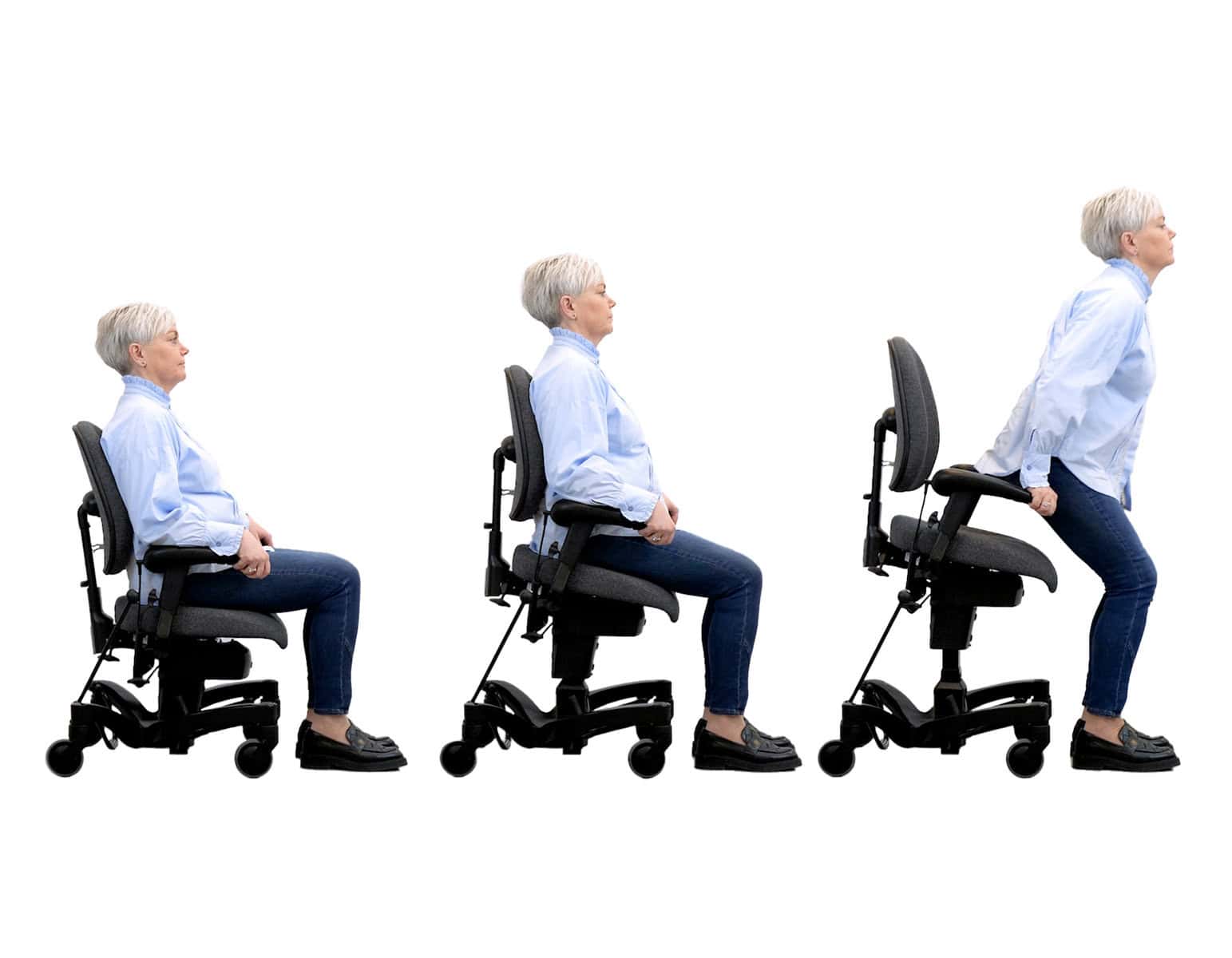
As families consider the challenges associated with nursing homes and the constraints they can place on personal autonomy, solutions that support aging in place become increasingly valuable. Mobility and comfort solutions for the elderly like the VELA Independence Chair offer an innovative option for seniors wishing to remain in their own homes. This medically approved chair enhances safety and mobility by allowing users to perform daily tasks like cooking or dressing with minimal assistance, reducing the burden on caregivers and fostering greater independence. Newer models and comparable mobility aids now increasingly feature ergonomic customization, embedded sensors, and adaptive controls that respond to individual needs, in alignment with universal design principles and emerging best practices PubMed 2025HarvardGeriatrics2025.
Supporting Aging in Place: A Practical Option
For seniors aiming to maintain their independence longer at home, mobility solutions such as VELA Chairs prove invaluable. Equipped with features like a central brake for enhanced safety, electric height adjustability, and ease of movement while seated, these chairs address critical issues related to safety, energy, and routine transfers. By incorporating such aids, older adults often delay the need for nursing home care, offering them dignity, freedom, and energy-saving solutions for everyday activities—from cooking to relaxing. The latest developments in assistive devices include AI-driven posture correction and fall prevention, along with designs supporting a range of physical and cognitive conditions PubMed 2025. While VELA is certainly a proven and practical solution, it is one of several potential aids that contribute significantly to improved quality of life and reduced caregiver load in a home setting. Incorporating these kinds of innovations enables seniors to benefit from personalized care and participate fully in daily life.
PubMed 2025: Latest studies on AI mobility aids and smart rehabilitation devices.
Harvard Medical School, Division of Geriatrics (2025): Research on ergonomic and inclusive design for seniors.
World Health Organization, Rehabilitation Guidelines 2025 update: VR and tech-assisted rehabilitation recommendations.
British Columbia Ministry of Health / Fraser Health Authority (2025): Updated assisted living regulations and policy documents.
MedlinePlus 2025: User surveys and trends in adoption of assistive technology and smart home systems for elderly care.
Commercial facility information: Amica White Rock, Evergreen Heights, White Rock Seniors Village, Bayview Seniors Community (opened 2025), facility listings and amenities (2025).