

Updated February 2026: We have updated the article with new findings on AI-driven health monitoring, non-intrusive edge technologies for safety, holistic and sustainable facility designs, and integrated smart home features enhancing mobility and independence in senior living.
Pioneering the Future of Senior Living: Opportunities for Assisted Living Facility Developers
As the population ages, assisted living facility developers find themselves at the forefront of addressing a crucial societal need—providing suitable housing solutions for seniors. The 80+ age cohort is expected to expand by 36% over the next decade, according to the JLL 2025 Seniors Housing & Care Investor Survey. This demographic surge creates both urgency and opportunity within the senior housing sector. Developers, therefore, play a pivotal role in this transformation by designing and executing projects that meet the complex needs of elderly residents.
The Critical Role of Assisted Living Facility Developers in Senior Care
Assisted living facility developers bear the responsibility of creating environments that enhance the quality of life for seniors. Their role extends beyond mere construction; they must conceive spaces that foster independence, ensure safety, and encourage social engagement. According to the National Investment Center for Seniors Housing & Care (NIC), the growth of this sector is intertwined with overcoming developmental challenges such as financing and regulatory compliance.
Successful examples include facilities that incorporate features like wide corridors for wheelchair accessibility, anti-slip flooring, and common areas that encourage interaction and community building. These elements are instrumental in promoting a sense of belonging and independence among residents, thus improving their overall quality of life.
Demographic and Health Profiles of Assisted Living Residents
Understanding the demographic profile of assisted living residents is crucial for developers. According to the CDC, these residents are typically over 75, often dealing with chronic diseases and cognitive impairments. Developers must consider these health aspects to design facilities that are both accommodating and supportive.
Socio-economic factors also play a significant role. While many residents come from middle- to upper-income brackets, there is a pressing need for affordable options. Developers are increasingly exploring models that combine cost-effectiveness with quality care, with annual costs typically ranging between $54,000 and $60,000, mostly out-of-pocket as there is limited Medicare/Medicaid coverage for assisted living.
Key Trends and Challenges in Assisted Living Development for 2026
Developers must navigate various trends and challenges as they plan for 2026. Demographic shifts necessitate the development of more facilities, yet economic hurdles like rising construction costs and limited financing options pose significant obstacles. Senior Housing News highlights financing as a persistent barrier. Yet, innovative developers can turn these challenges into opportunities by leveraging partnerships and exploring alternate financing models.
Recent trends show rapid adoption of sophisticated technology within facilities. AI-driven predictive health monitoring systems and edge technologies, such as non-intrusive gait-specific fall detection, adaptive lighting, and auto-shutoff appliances, are increasingly standard.Senior Housing News Gensler Integrated smart home technologies, like voice controls and robotic companions, further enhance independence and mobility for residents with disabilities.
Facility design now emphasizes holistic wellness and personalization. Larger, more homelike units with open floor plans, full kitchens, ergonomic features, and abundant natural lighting support better rehabilitation and improved user experience. On-site therapy clinics, flexible wellness spaces, and sustainable materials are prevalent, aligning with growing priorities on both mental and physical wellbeing.Gensler PMC study
Adoption of telehealth and data analytics for real-time, proactive care adjustments is now widespread, contributing to reduced hospitalizations and more resident-led care, all with a stable regulatory environment.AANP
Successful case studies reveal facilities that blend innovative financial models with effective community engagement, achieving both resident satisfaction and financial viability. According to the PMC study, residents highly value facilities that offer safety, autonomy, and community participation.
Pioneering the Future of Senior Living
Assisted living facility developers are pivotal in shaping the future of senior living. By focusing on innovative design and thoughtful planning, they can provide diverse care options that accommodate the changing demographics and health profiles of seniors. Peer-reviewed studies underscore how well-designed facilities enhance quality of life, fostering an environment where seniors feel dignified and engaged, as detailed in the PMC study. Modern facilities now stand out by integrating robotics, AI-powered fall detection, and connected communication solutions, improving both mobility and social engagement.Gensler Provider Magazine
As we look to the future, it is clear that developers must continue to push boundaries, harnessing new technologies and approaches to meet the evolving needs of senior residents.
Supporting Aging in Place: A Practical Option
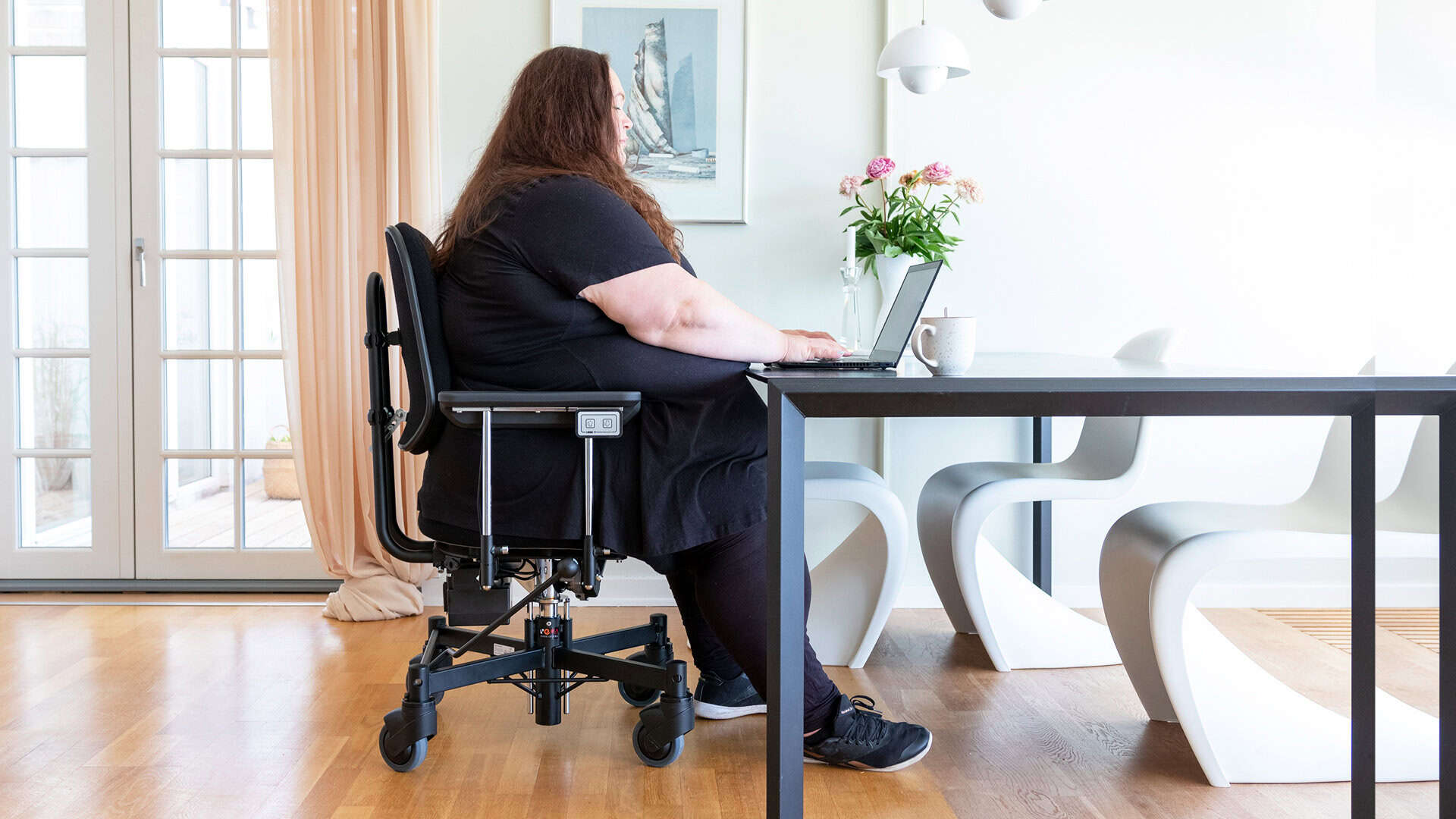
VELA Chairs offer a practical solution to help older adults remain independent at home longer. These innovative mobility aids focus on enhancing daily living by offering features that address crucial issues like safety and mobility. The central brake system ensures stability, while electric height adjustability aids in safe transfers and reaching tasks. The ease of movement while seated enables seniors to engage in activities such as cooking and cleaning with reduced effort. By reducing the demands on caregivers and empowering seniors to maintain an active lifestyle within their own homes, VELA chairs can help delay the transition to nursing home care. Thoughtful product designs like this are now complemented by broader trends in smart home integration, including voice controls and proactive wellness monitoring, supporting holistic independence.AANP While not the sole solution, they exemplify how product innovation and environmental design can empower aging in place, fostering dignity, freedom, and safety. More insights on mobility solutions for assisted living can be integrated as developers seek to enhance the quality of life for seniors.