

Updated February 2026: We have updated the article with the latest advancements in AI-driven personalization, predictive health monitoring, non-intrusive assistive technologies (wearables, sensors, robotics), voice companions, VR therapy, and a renewed focus on equity and holistic, tech-centric senior care models, reflecting regulatory and adoption shifts post-2025.
Exploring the Evolution and Strategies of Assisted Living Facility Management Companies
As the global population ages and the demand for personalized elderly care solutions rises, assisted living facility management companies are becoming increasingly prominent. The market is projected to expand from $95.085 billion in 2025 to a remarkable $143.5 billion by 2032, presenting significant opportunities for growth and innovation. This article explores the dynamics at play in the world of assisted living management, identifying key players and trends shaping the future of senior care.
Understanding the Landscape of Assisted Living Facility Management Companies
Assisted living facility management companies are pivotal in the growing senior living industry. Companies like Discovery Senior Living, with 30,355 units, and Erickson Senior Living, with 24,326 units, lead the charge, providing comprehensive management across various care levels. According to Property Manager Insider, these companies are renowned for pioneering modern care approaches and integrating advanced technologies to enhance resident experiences. For instance, using AI-powered virtual assistants, predictive analytics, and fall detection systems has become a standard practice, helping to ensure both safety and personal attention. Recent developments show that artificial intelligence is also utilized in operational areas such as care planning, staffing optimization, and documentation automation, further improving management efficiency and resident outcomes.[1][4][6][7][8]
Recent advancements since 2025 have accelerated the adoption of AI-driven personalization and predictive health monitoring. Facilities are now integrating non-intrusive assistive technologies such as advanced wearables, smart sensors, and edge AI for more effective fall prevention and real-time health analytics. Robotic mobility aids, including autonomous wheelchairs and companion robots, and immersive solutions like VR for cognitive rehabilitation, have also become increasingly common. These tools are designed not only to reduce staff burdens but to extend resident independence and proactive care.[4][5][7][8][9]
Consider the scenario of a facility adopting telehealth services and smart devices. These services not only streamline healthcare delivery but also improve resident outcomes by bridging the gap between care cycles. Wearable health monitoring devices now track vital signs and detect falls, enabling real-time data sharing with healthcare providers and allowing for timely interventions. Such integrations—alongside the use of voice-activated assistants, AI voice companions, haptic wearables, and smart home environmental controls including adaptive lighting and auto-shutoff safety appliances—underscore the pivotal role of technology in transforming assisted living dynamics and management efficiency.[2][3][5][7][8]
Market Dynamics and Investment Trends in Assisted Living
The assisted living market is buzzing with activity. Insights from JLL reveal the sector’s valuation, which was pegged at $91.8 billion, is projected to grow at a CAGR of 6.06%. According to JLL, this growth is further fueled by an increasing interest from investors eager to capitalize on lucrative opportunities within the seniors housing sector.
Investment prospects in this industry are particularly appealing due to high valuation multiples. Companies with financial figures ranging from $500K to $1M EBITDA command a 6.5x multiple, increasing to 9.9x for larger entities with $3-$10M EBITDA. According to First Page Sage, this trend underscores investor confidence in the sector’s resilience and growth potential.
Regional Distribution and Cost Considerations
A significant factor in the assisted living industry is geographic variation, both in terms of facility distribution and cost structure. According to The Senior List, the U.S. West region boasts the majority of facilities (40.8%), whereas the Northeast, despite having fewer, is among the costliest areas due to several socioeconomic factors.
States like Missouri offer affordability with median monthly costs around $3,183, compared to Alaska’s $7,246. Facilities in economically diverse regions adeptly tailor their services to meet local demographic needs. For example, a facility in Missouri, known for its affordability, maintains high service standards by leveraging community partnerships and localized care models to manage expenses effectively.
Innovative Mobility Solutions for Enhanced Resident Independence
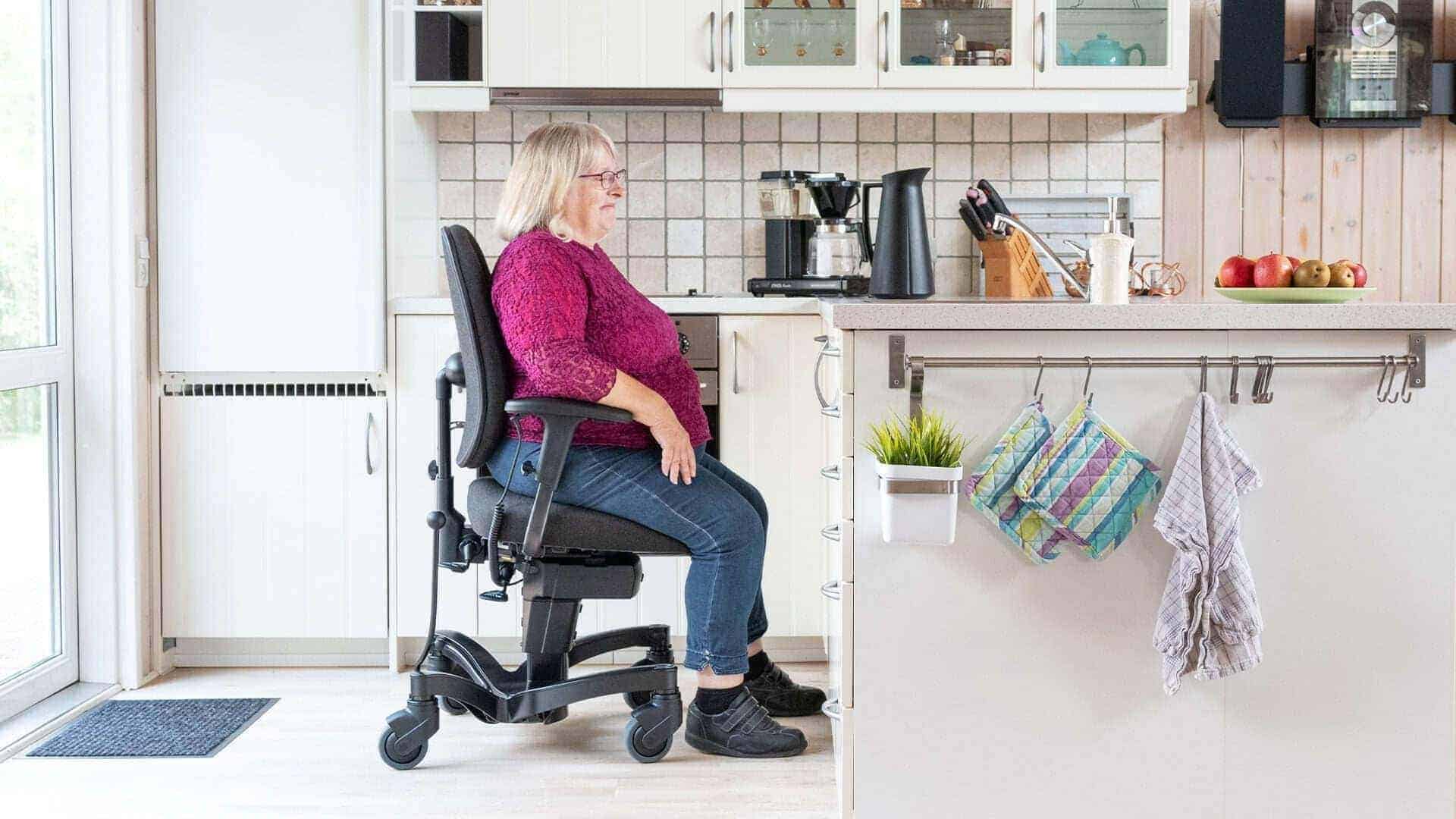
Mobility solutions are an integral part of ensuring independence for elderly residents within assisted living environments. Products like VELA chairs have been instrumental in addressing mobility and safety challenges. These chairs cater specifically to seniors’ needs, encouraging independence while offering support.
Imagine a resident using a VELA chair to move comfortably from their room to communal areas, thereby boosting their confidence and fostering engagement with peers. Additionally, robotic and automated solutions are rapidly evolving and being adopted in assisted living. Robotic mobility aids such as autonomous wheelchairs, companion robots, and haptic feedback devices now provide innovative support for those with diverse mobility or sensory needs.[4][5][8] Technologies like smart wearables and edge AI-powered monitors support fall prevention and enable privacy-preserving safety monitoring, reducing staff burden while empowering residents.[7][8][9]
The integration of holistic, person-centered technologies—including VR cognitive therapy for dementia[2][8], voice-enabled companions, and ambient adaptive safety systems—aligns with community-focused care models and brings about improved well-being and daily engagement for residents. Recent studies show strong resident interest in well-being technology, with 61-65% expressing demand for wearables and tech-assisted wellness, making these solutions a staple of modern assisted living. Importantly, the latest trends highlight the need for equitable design—ensuring accessibility and dignity for residents with a wide range of abilities and backgrounds.[4][5][7][9]
In conclusion, assisted living facility management companies play a crucial role in delivering personalized, technology-driven care solutions. The industry’s projected growth trajectory highlights its potential to expand and adapt in response to evolving demographics and innovations. As government incentives continue to support the development of community-based and home-like senior care models GlobeNewswire, these companies are poised to lead the charge in redefining elder care.
Through strategic investments in advanced technologies and adaptive solutions—including the expanded use of AI for predictive analytics and care planning, robotics for mobility and companionship, wearables, telemedicine, wellness-oriented design, and proactive, privacy-focused monitoring—these companies are setting new standards for senior living.[1][2][3][4][5][6][7][8][9] Their efforts ensure that aging populations receive the compassionate, efficient care they deserve, paving the way for a future where residents can age gracefully with dignity and independence.
How Mobility Solutions Like VELA Make a Difference
VELA Independence Chairs can enable seniors to stay longer in the comfort of their homes, thereby delaying the need for a nursing home. These chairs feature essential elements such as a central brake for stability, electric height adjustability, and smooth-rolling wheels, which make transfers safer and activities like cooking and cleaning more accessible. Using such mobility solutions for seniors, individuals can maintain their dignity and freedom while improving safety and conserving energy. Life with a VELA Chair transforms daily tasks, ensuring they are accomplished with ease and less strain, unlike the challenges faced without it. Although not the only avenue to enhance aging in place, VELA serves as a proven and practical solution, contributing significantly to reducing the demand on caregivers.
Sources:
- Argentum Technology Report 2025: AI adoption and technology trends in senior living, including predictive analytics and robotics in care environments.
- Heisinger Bluffs, Senior Living Trends 2025: Smart homes, wearable health trackers, telemedicine expansion in assisted living.
- Standards Sunrise Foundation, “Future of Senior Living 2026”: Smart home technologies, wellness-centric community designs, and telehealth developments.
- Health Dimensions Group, “2025 Top Trends in Aging Services”: AI-enhanced care coordination, virtual companions, and smart wearables in senior care.
- Definitive Healthcare: Innovations enabling aging in place, including remote patient monitoring, smart home sensors, AI predictive care, and robotics.
- Senior Housing News & PointClickCare surveys on tech investments prioritizing resident satisfaction and wellness coordination with AI and smart technology.
- Juniper Communities: Emphasis on personalized care models and wellness spaces supporting independence in senior living.
- LeadingAge CES 2026 Innovations Roundup: AI voice companions, robotics for disabilities, and accessibility tech debuted in 2026.
- AANP Top Health Care Trends for 2026: Mainstream remote monitoring, wearables, and AI for personalized chronic care in aging.
- Next50 Foundation CES 2026 Aging Report: Equity in AI assistive devices, haptic glasses, and robotic wheelchairs for mobility/visual impairments.