

Updated February 2026: We have updated the article to reflect the latest 2026 SEO and marketing strategies for assisted living facilities, including advancements in AI-driven search, the emergence of Answer Engine Optimization (AEO), updates on local SEO best practices, new state regulatory changes affecting assisted living in 2025, and high-intent lead capture recommendations for facilities.
Updated October 2025: We have updated the article with the latest 2025 SEO strategies for assisted living facilities, including changes in AI-powered search, Core Web Vitals, and ADA-compliant web design. Newly enacted California regulations on dementia care, improved rental protections, and modern assistive technology trends are also highlighted to better inform providers and families.
Assisted Living Facility SEO: Optimizing for 2025
In a world increasingly driven by digital connectivity, assisted living facilities must harness the power of search engine optimization (SEO) to connect effectively with potential residents and their families. As we move towards 2025, embracing the evolving digital landscape becomes essential. According to Sixth City Marketing, over 90% of consumers turn to the internet to find local businesses, underscoring the need for a strong online presence in the senior care sector. Furthermore, more than 80% of aging seniors and their families prioritize online search as their primary research tool, highlighting the importance of tailored SEO strategies CCRGrowth. Recent research notes that the modern assisted living search journey is deeply influenced by authenticity and expert-verified content, making trustworthiness and accessibility vital components of visibility and engagement Jason Pittock Argentum.
Optimizing user experience for assisted living facilities
Enhancing user experience (UX) has become a pivotal element of assisted living facility SEO. High-quality and trustworthy content can significantly improve user engagement. Facilities must showcase compelling testimonials and resident stories to foster trust. Evaluating Core Web Vitals is crucial, as Google considers these metrics for search rankings and user satisfaction. In 2025, Google’s Core Web Vitals and AI-powered algorithms further emphasize site speed, interactivity, visual stability, and credible content as ranking factors Jason Pittock Expert SEO Agency. Websites must also prioritize ADA compliance, ensuring accessibility for all users, including seniors and family caregivers. Successful examples include websites that have redesigned interfaces to cater to senior-friendly navigation, as noted by Blossom Strategies. These enhancements ensure potential residents can navigate effortlessly, making informed decisions about their future living arrangements.
To illustrate, consider the fictional Sunnyside Assisted Living, which revamped its website to feature larger text, simplified navigation menus, and video tours narrated by staff members. These practical changes led to a 30% increase in user engagement, as potential residents and their families found it easier to access relevant information.
Regulatory changes: new 2025 California regulations and compliance essentials
As of January 1, 2025, California has introduced significant regulatory updates impacting assisted living facilities, especially those providing memory care. The latest amendments to Title 22 and guidance for Residential Care Facilities for the Elderly (RCFE) require enhanced person-centered care, tailored staff training for dementia and behavioral support, and more stringent compliance around safety, care planning, and resident rights. Notably, SB 433 now protects Medi-Cal recipients from discriminatory rent increases in participating facilities. Providers must maintain up-to-date safety protocols and transparent communication with families, as outlined by the California Department of Social Services, ECP regulatory updates, and the AHCA/NCAL 2025 State Regulatory Review California Department of Social Services ECP SB433 AHCA/NCAL SEO Trends 2025.
Across the United States, 20 states updated assisted living regulations in 2025 to address resident protection, staff training, infection control, and digital communications requirements. Facilities are encouraged to closely monitor regulatory updates for their state and ensure timely compliance to maintain trust and visibility in the marketplace AHCA/NCAL.
Enhancing local visibility in senior living SEO
Local SEO is indispensable for assisted living facilities, as geographic location often influences family choices. To achieve prominent local visibility, facilities must optimize their Google Business Profile and maintain consistency in their Name, Address, and Phone number (NAP) across platforms. This consistency is crucial for boosting local search rankings, as emphasized by WebFX. Enhanced local strategies in 2025 include leveraging participation in community events to boost both online and community engagement, as well as ensuring location and regulatory credentials are readily accessible on facility websites Jason Pittock SEO Trends 2025 Search Engine Land. Real-life examples of facilities that have successfully leveraged local SEO include those actively participating in community events, thereby enhancing local partnerships and engagement.
For instance, Green Meadows Senior Living partnered with local businesses to host monthly community breakfasts, which fostered relationships and increased their visibility in local search results by 25%.
Innovative content marketing strategies for senior care
Crafting a robust content marketing strategy involves addressing specific concerns of residents and their families. Developing thorough guides and FAQs that answer common queries is essential. Incorporating multimedia content, such as videos and virtual tours, enhances information delivery and engagement. In 2025, content that demonstrates expertise and includes interactive elements benefits from AI-powered search personalization, matching families with facilities based on their needs and preferences Jason Pittock Argentum Assisted Living AIOE 2026. This approach not only improves trust but also enhances the EEAT (Experience, Expertise, Authoritativeness, Trustworthiness) elements of the content, as advised by Jason Pittock. Facilities integrating virtual tours and interactive content have reported a significant increase in inquiries, showcasing the effectiveness of these strategies.
AI-driven search and Answer Engine Optimization (AEO) are expected to play a major role in 2026, as families increasingly look for quick, verified answers and personalized facility recommendations. Structured content, interactive elements, and expert-verified guides stand out as high-performing content formats Search Engine Land.
For example, Lakeside Residences introduced a virtual guided tour coupled with an in-depth FAQ section, resulting in a 40% rise in completed contact forms.
Modern assistive and rehabilitation technology trends in senior living
As of 2025, assistive technology for mobility support in assisted living environments has advanced to include AI-powered smart devices, adaptive rehabilitation tools, and modular, ergonomic mobility aids. Facilities are increasingly integrating wearable exoskeletons and sensor-embedded chairs to enhance resident autonomy and safety, supporting individualized care and proactive fall prevention. Emphasizing inclusive product development, these technologies are designed with customizable features to accommodate diverse user needs and are compatible with digital health platforms for continuous monitoring. Tele-rehabilitation and personalized therapy plans further improve care outcomes and extend independence at home Jason Pittock Inclusive Design Tech 2025.
VELA mobility chair strategy: enhancing resident safety and independence
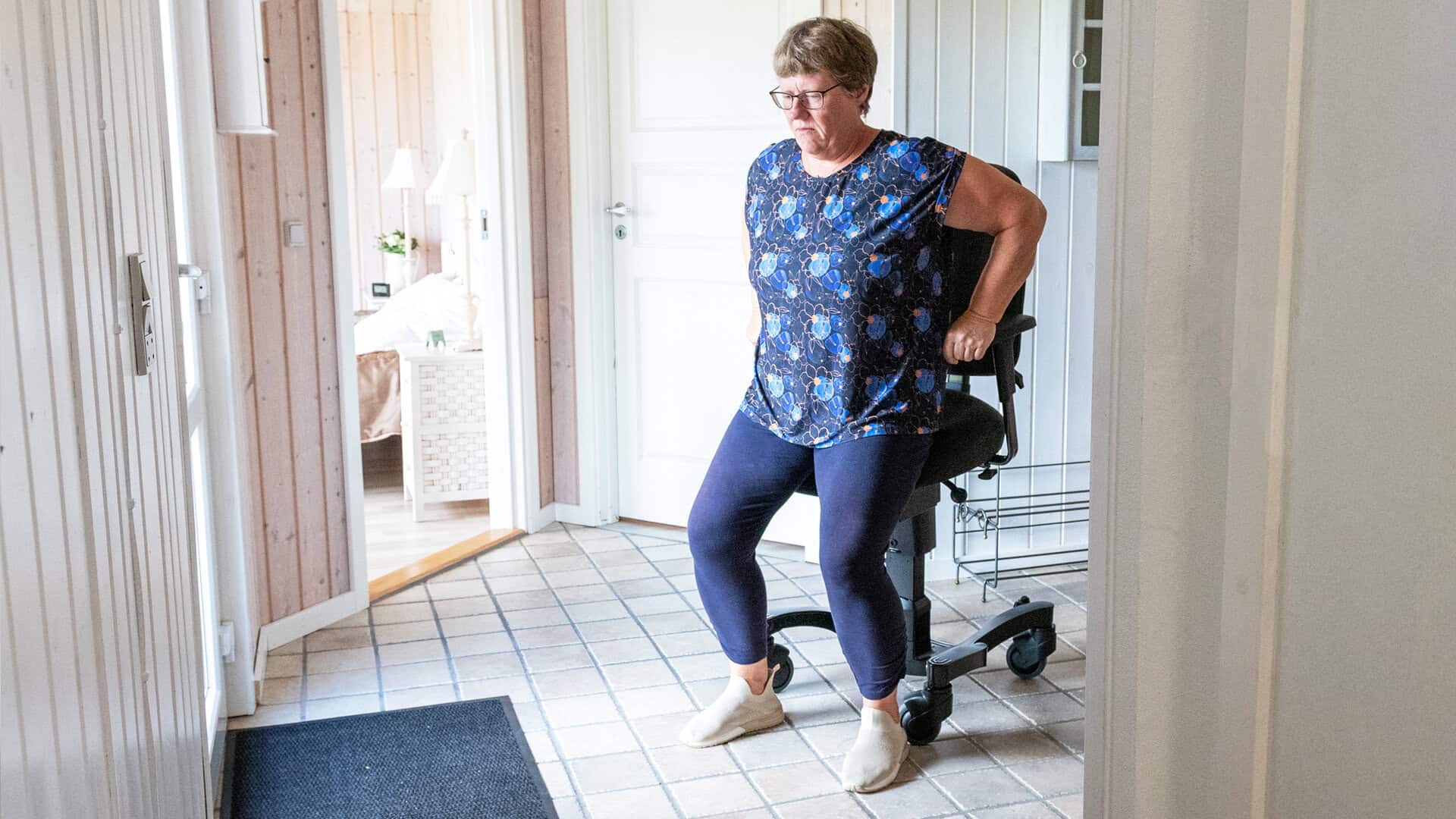
As assisted living facilities aim to provide environments that promote independence and safety, integrating cutting-edge solutions is key. The transition from institutional settings to personalized care in one’s own home is greatly enhanced by tools like the VELA Independence Chair. This medically approved mobility chair is designed for home use, offering safety benefits such as fall prevention and freedom of movement during daily activities like cooking and dressing. In line with current trends, the VELA chair and similar devices emphasize ergonomic, user-adjustable features and support integration with digital monitoring platforms. By reducing the burden on informal caregivers, VELA facilitates autonomy, ensuring that older adults can maintain their independence in familiar surroundings longer.
Key takeaways for optimizing senior living SEO in 2025
In conclusion, optimizing SEO for assisted living facilities in 2025 requires a comprehensive approach focusing on enhancing user experience, boosting local visibility, and leveraging innovative content marketing strategies. ADA compliance, accessibility, and clear communication of regulatory compliance have become essential for both trust and search engine rankings. Incorporating next-generation mobility solutions like VELA chairs further emphasizes a dedication to safety and independence. As noted by Portland SEO Growth and supported by the latest research, executing a holistic and compliant SEO strategy ensures facilities can effectively connect with potential residents, fostering trust and establishing themselves as the preferred choice for senior living. AI-powered search and AEO, alongside conversion-focused calls to action and high-intent lead capture tools, are essential strategies for 2026 to remain competitive Assisted Living Linq.
Supporting aging in place: a practical option
For older adults wishing to age in place, mobility solutions like the VELA Independence Chair offer an invaluable resource. These chairs provide essential features such as a central brake for enhanced safety, electric height adjustability to assist with transfers, and ease of movement while seated. Newer VELA models can include modular adjustments and sensor-based features for personalized support and integration with remote health monitoring. By enabling seniors to navigate their daily routines more independently, VELA Chairs can delay the need for a nursing home transition. They not only safeguard dignity and freedom but also conserve energy, making tasks like cooking and cleaning more manageable. While VELA is one of several options available, its evidence-based design makes it a trusted tool in supporting independence at home. For more details, explore options for improving indoor mobility in care facilities.