

Updated September 2025: We have updated the article with new findings on AI-powered assistive technologies, smart wearables, and connected mobility solutions that support independence, as well as recent industry and policy trends shaping assisted living and aging-in-place options.
Navigating Assisted Living Financing: Key Options and Considerations
Understanding how to finance assisted living is a crucial concern for seniors and their families. With over 17 million seniors earning less than $2,608 monthly, and the median cost for assisted living at $5,190 per month, the financial gap is significant. According to A Place for Mom, many seniors rely on a blend of Medicaid, HUD programs, veterans benefits, and Social Security to bridge this gap. According to Medicare.gov, Medicare does not cover assisted living costs, though it may cover certain health services within these settings.
Leveraging Government Programs for Assisted Living Affordability
Government assistance can significantly alleviate assisted living costs. Medicaid Waiver Programs offer financial help, but availability varies by state. Supplemental Security Income (SSI) and HUD programs also support low-income seniors. For instance, Lori Williams – Senior Services describes a senior who managed to cover part of her assisted living expenses through Medicaid and SSI. These programs are lifelines for many seniors, as echoed by A Place for Mom.
Exploring Private Financing Paths: Savings, Insurance, and Loans
Private financing solutions are vital in managing assisted living expenses. Strategies like savings, long-term care insurance, and home equity are common. A common scenario is a family using a home equity loan to finance assisted living for an elderly parent. Bridge loans also offer a temporary solution while waiting for asset liquidation. Insights from Village Walk Senior Living emphasize the value of these resources.
Enhancing Independence in Assisted Living with Mobility Solutions
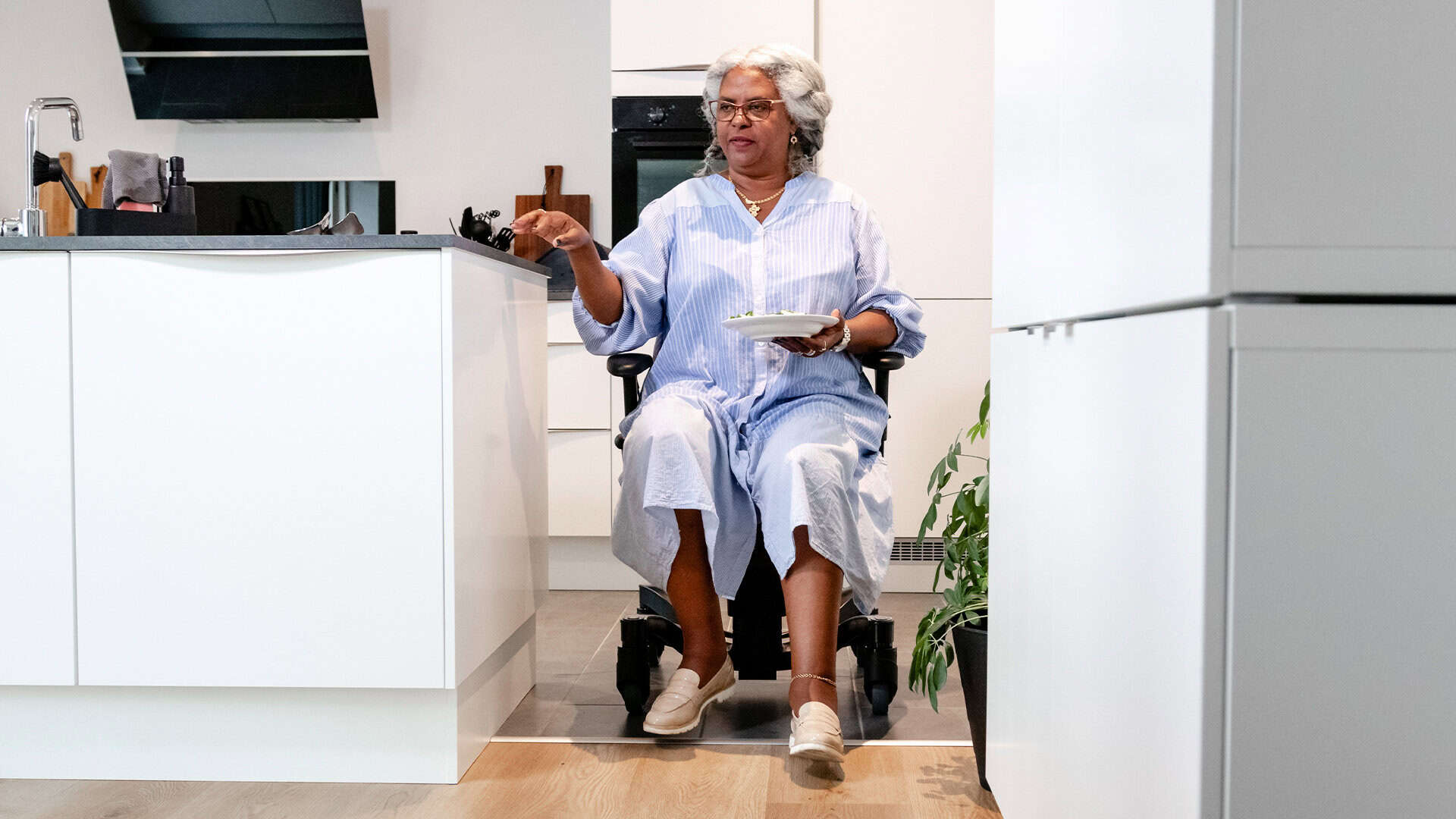
While nursing homes may offer comprehensive care, many seniors wish to remain as independent as possible. Integrating mobility solutions such as medically approved chairs can help seniors maintain this independence within their homes, delaying the transition to more intensive care settings. The VELA Independence Chair is one such solution, designed to provide enhanced safety and freedom of movement while seated. It supports daily activities like cooking, dressing, and transferring, thereby reducing the burden on informal caregivers and prolonging the ability to live at home comfortably.
Recent advancements in assistive technology further empower seniors in assisted living and aging in place. Innovations such as AI-driven smart glasses and wearables offer real-time object recognition, indoor navigation, and contextual assistance, allowing users to manage their environments more safely and independently Florida Reading. The introduction of integrated AI assistants and devices connected by IoT technology supports faster access to information, improved safety, and adaptive support tailored to user needs Cognitive Market Research Letsenvision. Aging-in-place technologies now often include remote health monitoring and medication adherence tools, offering critical support beyond traditional mobility aids Cognitive Market Research.
Additionally, ergonomic and rehabilitation practices are advancing through personalized health assessment platforms that incorporate posture, fitness, and nutrition recommendations based on the latest longevity research. These digital platforms help prevent musculoskeletal decline and further support independent living StartUs Insights.
Persistent global accessibility gaps, especially in low- and middle-income countries, continue to present market and policy challenges around the provision of essential assistive products. Regulatory bodies have recently accelerated device approvals to ensure uninterrupted access during disruptions such as those caused by the COVID-19 pandemic ATscale & CHAI. The assistive technology industry is also moving toward inclusive design by involving disabled engineers and consultants in product development, resulting in solutions that more closely meet the needs of users Florida Reading.
A multi-faceted approach to financing assisted living can mitigate the economic burden on seniors and their families. By leveraging government programs and exploring private financing paths, it is possible to bridge the financial gap. Additionally, the integration of mobility solutions like the VELA chair and smart, connected assistive technologies supports seniors’ independence and can offset the need for certain care services, offering a balanced strategy for managing costs. As recommended by A Place for Mom and other expert resources, understanding all available options is crucial for effective decision-making in senior care.
Supporting Aging in Place: A Practical Option
As seniors explore the possibilities of staying independent in the comfort of their own homes, mobility solutions become vital. The VELA Independence Chair is a practical aid for those who aim to age in place without compromising their safety and dignity. Features such as a central brake for enhanced safety, electric height-adjustability, and ease of movement while seated, allow seniors to manage daily tasks like cooking or cleaning with reduced effort. This not only saves energy but also lessens the physical strain on caregivers. With tools like the VELA Chair, independence at home is more attainable, effectively delaying the need for a nursing home by providing essential support for everyday living. While not the only solution available, VELA is a proven and reliable option for many, promoting freedom and dignity in the aging process. More about these supportive solutions can be found under Enhancing Home Independence.