

Updated September 2025: We have updated the article with the latest fire drill regulatory changes for assisted living facilities in Massachusetts and Minnesota, including new training frequency and documentation requirements, greater emphasis on individualized assistive device assessments for mobility and fire safety, and a preview of forthcoming national emergency preparedness guidelines from senior living industry coalitions.
Ensuring Safety: Understanding Assisted Living Fire Drill Requirements
Fire drills are essential components of safety protocols in assisted living facilities, designed to safeguard some of our most vulnerable populations. These drills train staff and residents for emergencies, with every practice contributing to a swift, coordinated response when it truly matters. According to the American Health Care Association/National Center for Assisted Living (AHCA/NCAL), it is mandatory to conduct fire drills quarterly on each shift, which keeps facilities in a constant state of preparedness and compliance with relevant regulations. This routine is fundamental for ensuring safety in environments that house elderly residents.
Breaking Down Fire Drill Requirements in Assisted Living Facilities
Fire Drill Frequency and Execution
Effective fire safety plans must be practiced regularly to ensure efficacy. The NFPA 101 Life Safety Code mandates quarterly drills on each shift, with an annual night drill to assess round-the-clock readiness. These simulations involve activating fire alarms and rehearsing emergency evacuations, followed by comprehensive documentation to refine responses. Facilities like Brookdale Senior Living demonstrate real-life implementations that comply with these standards, emphasizing engaging both staff and residents actively in these crucial practices as described by SeniorLivingU.
Recent regulatory updates: In July 2025, Massachusetts implemented a statewide fire safety initiative for assisted living residences (ALRs). Facilities must now conduct enhanced fire drill readiness activities, including improved resident and family communication, visible evacuation instructions, comprehensive fire safety self-assessments, and submission of detailed fire/emergency preparedness plans. Facilities are required to report building systems data to support state oversight. These immediate measures are part of a rapid response to updated state mandates (Code Red Consultants; Mass.gov; McKnight’s Senior Living; MA Senior Care).
In Minnesota, regulatory updates now require staff to undergo fire safety and evacuation training at least twice per year, per shift. Resident education is provided when feasible; however, actual resident evacuation drills or the triggering of fire alarms during drills are not mandatory. Facilities constructed before 2021 may be granted certain allowances, provided no hazards exist. These requirements strengthen compliance and preparedness across all assisted living settings (Minnesota Statutes; MN Dept. of Health).
Training and Compliance: The Backbone of Fire Safety
Importance of Training and Regulatory Adherence
Robust training and adherence to regulations underline successful fire drills. Facilities must ensure all personnel fully comprehend their emergency roles. This preparation includes post-drill debriefings to identify areas for improvement. The Centers for Disease Control and Prevention (CDC) underscores the importance of adhering to NFPA 101 and CMS guidelines to bolster safety across healthcare settings, as detailed in their fire safety regulations (CDC). At Sunrise Senior Living, the focus extends beyond compliance, aiming to create an environment where rigorous preparedness translates directly into safer outcomes for residents, as noted by the AHCA/NCAL.
With the recent changes, fire safety best practices now stress more frequent, scheduled, and documented staff training, mandatory at least biannually for every shift. Additionally, ongoing training incorporates new content related to mental illness and emergency de-escalation for staff, as introduced in Minnesota in July 2025 (MN Dept. of Health). The development of voluntary, nationwide emergency preparedness guidelines—expected by mid-2026 from key industry stakeholders including ASHA, Argentum, LeadingAge, and NARA—further underscores the movement toward standardized, comprehensive approaches for readiness, fire drills, communication, transportation planning, and clearly defined roles for all team members (Senior Housing News).
Best Practices for Conducting Fire Drills
Rotating Drills and Resident Participation
To accurately simulate real emergencies, it’s imperative to rotate drill schedules and include different shifts. Atria Senior Living’s “Safety First” programs, covered by ALF Boss, reveal the effectiveness of resident participation in fire drills, which enhances the preparedness of both staff and residents while reducing panic during actual evacuations. Experts recommend utilizing historical data and best practices, such as unannounced drills across varying conditions, to better simulate potential real-world scenarios (McKnight’s Guest Columns).
Recent regulations emphasize transparent communication with residents and families, along with improvements in the visibility of evacuation instructions throughout assisted living facilities. Individualized assessments are now recommended for residents’ abilities to participate in fire drills, ensuring safety and minimizing anxiety, especially for those with physical or cognitive limitations (Code Red Consultants; Minnesota Statutes).
Integrating Mobility Solutions for Enhanced Fire Safety
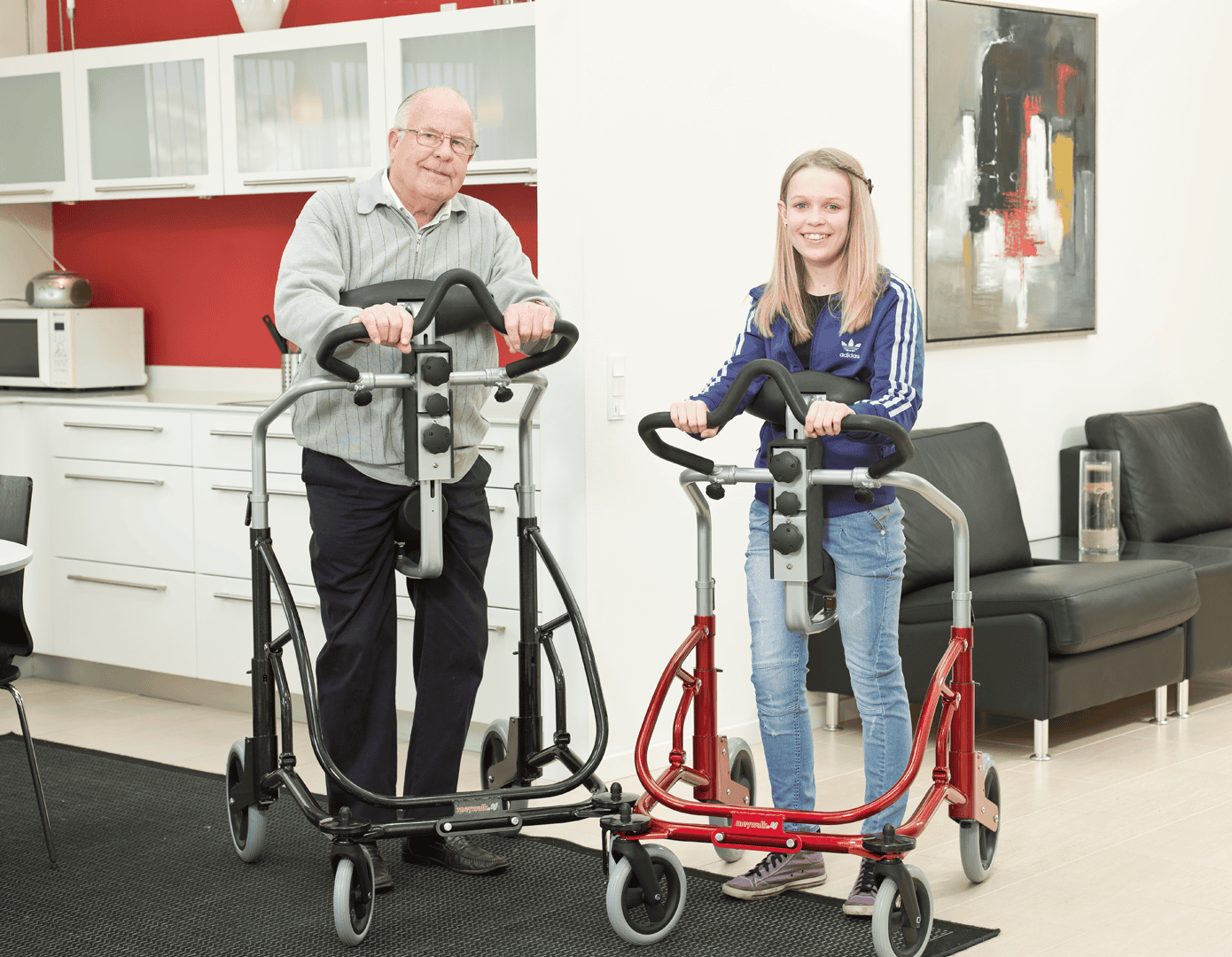
In addressing the varied mobility needs within nursing homes, solutions like VELA chairs offer essential support that helps older adults remain independent in their own homes. VELA Chairs, a medically approved mobility chair designed for home use, offer enhanced safety and freedom of movement while seated. They aid in daily activities such as cooking, dressing, and transferring, effectively reducing the physical burden placed on informal caregivers. Implementing such solutions ensures smoother evacuations, fostering independence during safety practices.
Recent updates in best practices emphasize that all mobility and assistive devices should undergo individualized assessments, weighing the risks and benefits for each resident. Safety reviews focus on stability, condition, secure attachment, and the absence of entanglement risks. There is a growing requirement for documentation and education for residents and their families related to the proper use and emergency considerations for assistive devices. This heightened focus ensures greater ergonomic and evacuation safety for those with mobility limitations (MN Dept. of Health).
How VELA Chairs can help people stay independent longer at home presents a compelling narrative. These assistive devices address pressing issues like safety and aid in mobility, often delaying the need for a move to a nursing home. With features like a central brake for added stability, electric height adjustability, and ease of movement while seated, VELA Chairs empower elderly individuals to navigate daily tasks with dignity and minimal external help. Their ability to support activities such as cooking and cleaning creates a safe and energy-efficient household environment. While VELA isn’t the sole solution for all, it is a proven, practical choice for those seeking to maintain independence and reduce the load on caregivers. The value they bring in terms of safety, freedom, and energy savings makes them an invaluable part of aging in place.