

Updated September 2025: We have updated the article with the latest findings on the significant growth and diversification of assistive technology for older adults, new trends in AI-powered and integrated assistive devices, recent innovations in ergonomic and cognitive assistive tools, current standards on voice-controlled and safety-focused devices, updated best practices for early AT provision, and refreshed regulatory and accessibility guidelines.
Guide to Assisted Living in Flowood, Mississippi
Flowood, Mississippi, is a significant hub for senior care, accommodating a noteworthy elderly population. According to DataUSA, seniors make up about 11% of Flowood’s residents. This guide provides a detailed overview of assisted living facilities, along with financial and regulatory insights to enhance senior independence.
Exploring Assisted Living Options in Flowood, Mississippi
Assisted living facilities in Flowood cater to a range of needs:
- The Blake at Flowood: Offers luxury amenities such as a cinema, piano bar, and wellness programs, designed to promote an active lifestyle. Features like an emergency response system and communal dining further support senior autonomy.
- Cooperwood Senior Living: Focused on affordability, particularly for middle to lower-income families. This community integrates nature views and a vibrant design that promotes belonging, not just residency. SeniorLiving.org
These facilities exemplify how Flowood supports senior independence while ensuring dignified transitions.
Navigating the Costs of Assisted Living in Flowood
Understanding financial considerations is crucial. According to Paying for Senior Care, the average monthly cost is around $5,384. While this aligns with national averages, it surpasses Mississippi’s median. Strategies like long-term care insurance and veterans benefits can be vital for families managing budget constraints.
Understanding Mississippi’s Assisted Living Regulations
The state’s regulatory framework is key to protecting residents:
- Assisted Living Facilities (ALFs): Provide 24-hour care, including medication assistance, and accommodate residents with limited mobility.
- Residential Living Facilities: Require residents to ambulate independently but still offer personal care.
The Mississippi Department of Health ensures high standards with staff requirements such as one daytime staff per 15 residents. Additional staffing is mandated in memory care units to maintain safety and care quality.
Improving Mobility and Independence for Seniors in Assisted Living
Recent years have seen a notable increase in the use of assistive technology (AT) among older adults, with new research highlighting both the diversity of users and the growing role of co-creation in designing devices that meet evolving needs.[1] 2025 has brought a shift toward AI-powered and fully integrated assistive devices that deliver faster and more intuitive support, especially to those with visual or cognitive impairments.[3] At major AgeTech events, new ergonomic devices such as intelligent walking aids, e-bikes supporting mobility, and cognitive health tools incorporating AI-driven music therapy and brain training have been introduced to help people with dementia and support cognitive wellness.[4]
Assistive devices embracing features like affordability, enhanced safety, voice control, fall detection, GPS location services, and medication reminders are increasingly prevalent and help seniors maintain their independence while reducing caregiver responsibilities.[2][7] Clinical guidelines now emphasize the importance of early and timely provision of AT to maximize health outcomes, avoid complications—especially for those with conditions impacting mobility or cognitive function—and enable safe aging in place for longer periods.[6]
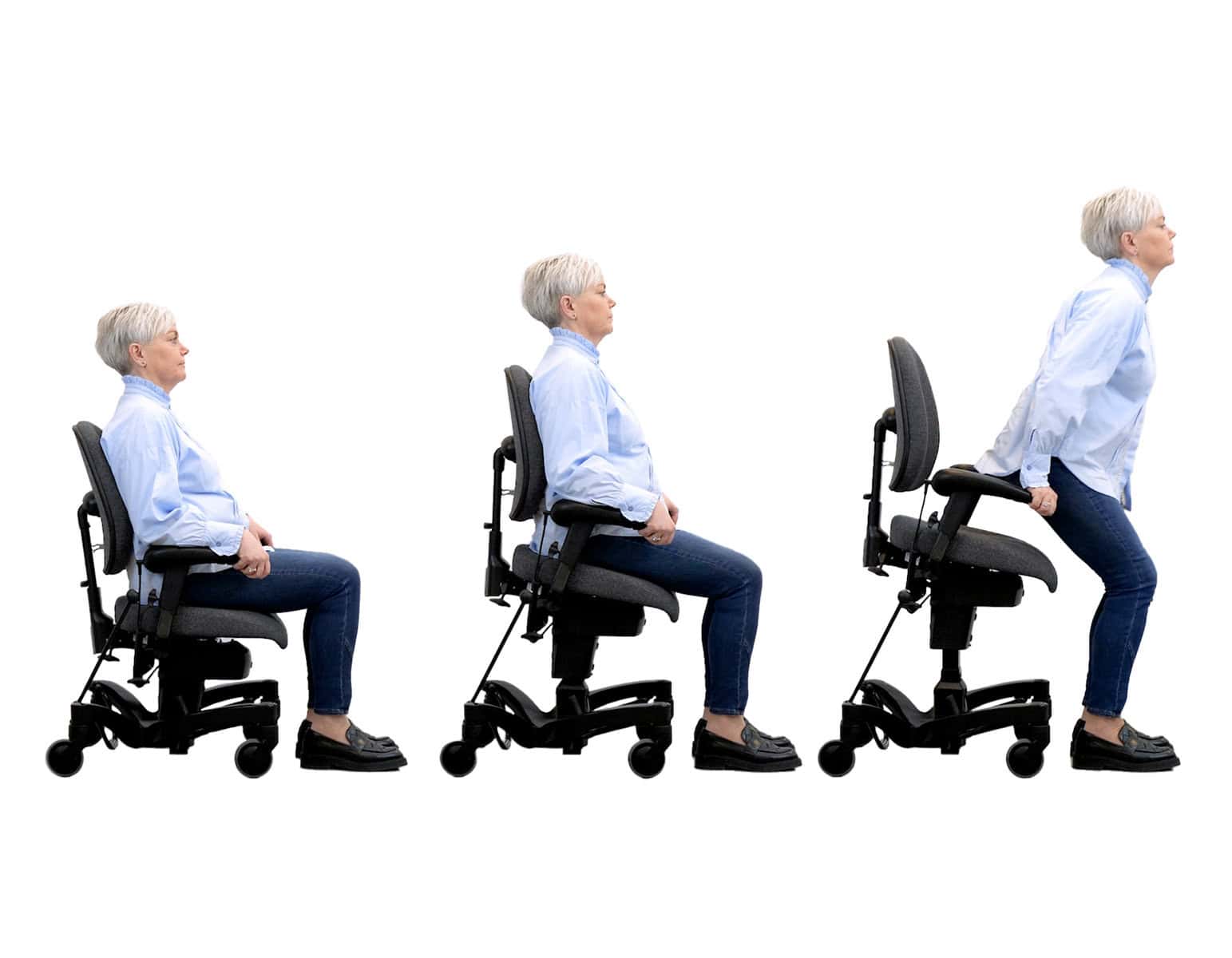
Facilitating elderly independence extends beyond nursing homes to empowering seniors in their residences. While nursing homes often prioritize medical supervision, alternatives like the VELA Independence Chair offer an innovative solution to bolster senior autonomy at home. This medically approved ergonomic mobility chair enhances safety and freedom of movement while seated. It supports daily activities such as cooking, dressing, and transferring, relieving the strain on informal caregivers by reducing risks and energy expenditure.
For seniors looking to maintain independence, mobility solutions like VELA Chairs can be transformative. These mobility solutions for elderly living independently empower seniors by addressing key challenges such as safety and ease of movement. The chairs offer features like a central brake for added safety, electric height adjustment to facilitate standing or sitting, and effortless maneuverability while seated. Such features help delay the need for extensive care in a nursing home by reducing falls and preserving energy. Life with a VELA Chair enables seniors to perform everyday activities such as cooking, cleaning, or simply relaxing, with dignity and freedom, crucial for enhancing quality of life at home. While not the sole solution, VELA Chairs stand out as a practical option to support aging in place.
The application of web accessibility standards such as WCAG and Section 508 is now vital for ensuring that seniors—especially those with disabilities—have reliable access to online resources and information, further supporting social inclusion and independent living.[5]
Sources
- NIH / PubMed article on growth of assistive technology use in older adults
- 7 Must-Have Assistive Devices for Elderly Parents in 2025
- Envision blog on AI integration in assistive technology for 2025
- 2025 AgeTech Summit coverage showcasing new ergonomic assistive devices for seniors
- H2HHC blog on assistive technology for elderly independence and web accessibility standards
- World Health Organization’s Fact Sheet on Assistive Technology needs, benefits, and trends
- Seniors Blue Book guide to assistive technology for older adults, including safety devices and smart home technology