

Updated February 2026: We have updated the article with recent advancements in AI-powered wearable technology, smart mobility devices, and expanded trends in user-centered design for blind and low vision seniors. This includes the latest innovations in assistive technology such as smart glasses, autonomous navigation aids, and integration of multisensory feedback in devices to promote independence.
Crafting Safe and Empowering Spaces for the Blind: Assisted Living for Seniors with Visual Impairments
Vision loss significantly impacts the lives of seniors, with an alarming statistic indicating that more than 25% of U.S. adults aged 71 and older suffer from some form of vision impairment. According to the Centers for Disease Control and Prevention (CDC), this underscores the urgency of specialized assisted living arrangements.
With the aging population on the rise, the necessity for specialized care tailored to the unique needs of blind seniors becomes even more critical. Providing an environment that supports both independence and quality of life for the visually impaired requires a thoughtful approach to both design and services, ensuring seniors can navigate their daily lives with dignity and autonomy.
Creating visually supportive living spaces
Designing an assisted living environment suitable for blind seniors begins with a strategic focus on accessibility. By implementing high-contrast color schemes, facilities can help differentiate between walls, floors, and furniture. Consistent, logical layouts play a crucial role, reducing hazards while allowing residents to navigate their spaces safely. According to research published by the National Center for Biotechnology Information (NCBI), tactile markers and guide paths contribute immensely to the accessibility of a space. Real-life examples include facilities that employ tactile flooring transitions and furniture that align in ways that facilitate movement.
Moreover, auditory cues serve as practical navigational aids, providing instructions in elevators or alert systems for emergencies. These adaptations ensure that seniors feel secure and equipped to move about their residences confidently. Recent trends in assistive design emphasize inclusive, user-centered approaches where blind and low vision users are actively involved in the development of products, ensuring technology naturally fits lifestyle needs and integrates seamlessly into daily life. Ergonomic improvements now focus on interfaces that use intuitive gestures, voice commands, and multisensory feedback—including haptic signals—to make navigation and interaction more effective in shared living spaces Sensable, LetsEnvision.
Key services to support independence and well-being
For blind seniors, daily interactions often encompass challenges that sighted individuals may overlook. Thus, the availability of essential services and trained staff within assisted living centers becomes paramount. Staff trained in vision impairment techniques, such as orientation and mobility training, foster an environment where independence thrives. For example, orientation and mobility training empowers residents to master techniques that enable reliable navigation, reinforcing their autonomy.
Furthermore, facilities that encourage engaging recreational activities specifically designed for visually impaired elders enrich residents’ quality of life. The National Federation of the Blind emphasizes the importance of such services, noting that they play a crucial role in maintaining mental and physical health, ensuring seniors remain active participants in their communities. Current recommendations from assistive technology organizations support integrating new technologies, such as wearable AI assistants and advanced mobility aids, into rehabilitation and daily routines as early as possible, with training provided directly within real-life environments for optimal outcomes NCBI, Envision Blog.
Innovative tools for enhanced mobility and communication
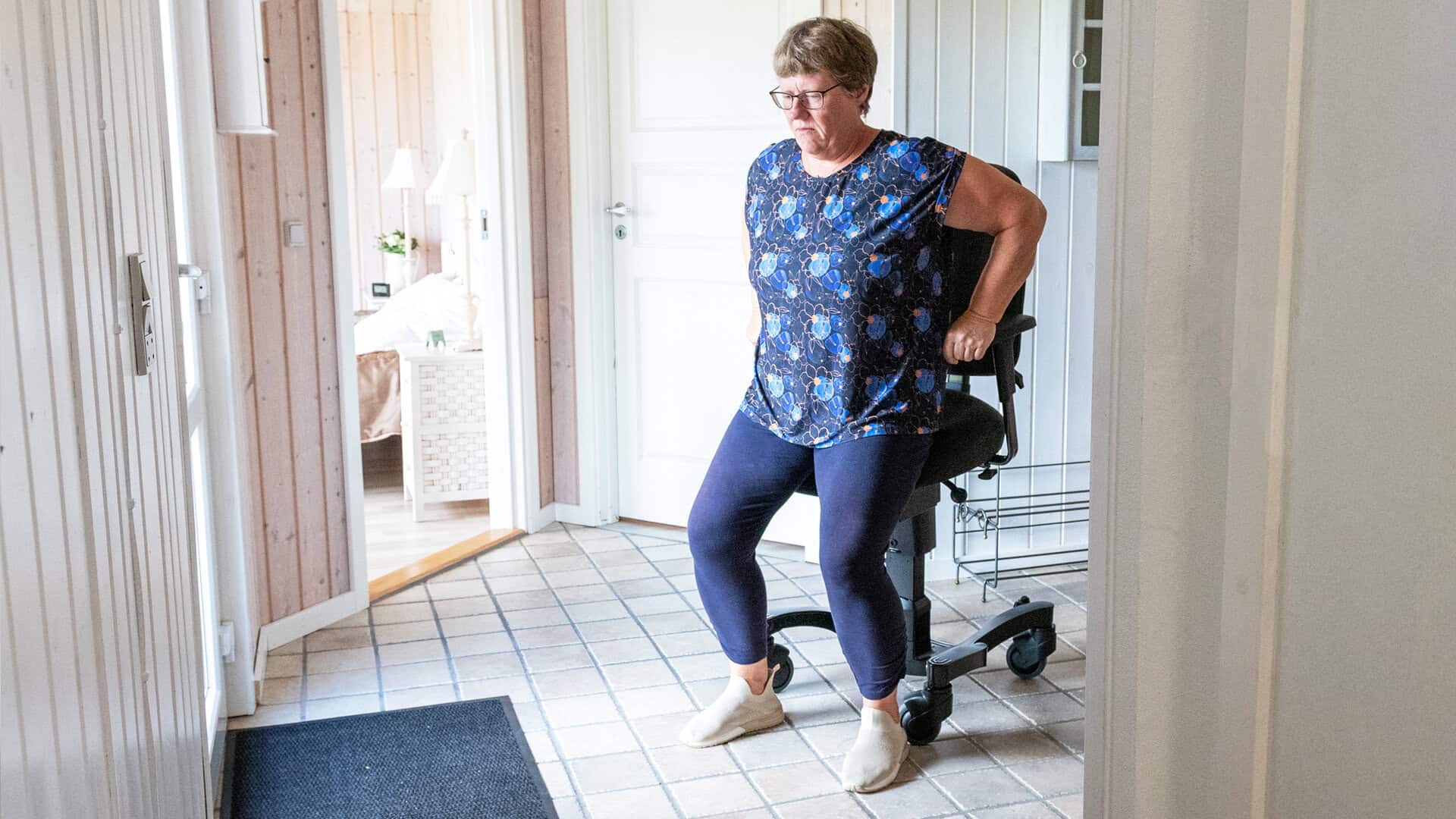
To complement the support provided by nursing homes, innovative tools are increasingly enabling seniors to remain independent in their own homes. Products like medically approved VELA mobility chairs exemplify such solutions by offering enhanced safety and freedom of movement while seated. Designed for home use, these chairs provide critical support for daily activities like cooking, dressing, and transferring, all while reducing the burden on informal caregivers. By improving daily life function and safety, VELA promotes an autonomous lifestyle for seniors preferring to age in place.
Recent advances in technology have markedly expanded the range of assistive devices available to blind seniors. AI-powered wearable technology, such as smart glasses and portable camera-based assistants (e.g., Envision Glasses, OrCam MyEye 3.0), now provide real-time object and facial recognition, text reading, and indoor navigation through bone conduction audio or haptic feedback. Smart mobility aids—including AI-enhanced canes with ultrasonic or LiDAR sensors, AI-powered wheelchairs with obstacle detection and health monitoring, and robotic exoskeletons—are transforming mobility and autonomy for users Keyway Medical, Florida Reading, LetsEnvision, Helen Keller National Center.
Ergonomic advances emphasize user-centered design, ensuring interfaces are intuitive by allowing interaction through voice or gesture commands, and providing feedback through multiple senses. Feedback from blind and low vision seniors highlights that these AI tools, when designed inclusively, integrate more comfortably into daily life, reduce cognitive load, and support greater independence in both personal and social contexts LetsEnvision, Helen Keller National Center.
Technology serves as a fundamental pillar for enhancing life quality in assisted living communities. Adaptive tools such as screen readers, AI-based navigation aids, and voice-activated systems enable communication and interaction with digital media. According to the American Foundation for the Blind, these technologies prove especially beneficial in facilitating independence in communication, entertainment, and accessing information. Authoritative resources note that integrating these advancements into community and home settings is best achieved through inclusive design and active user participation during development Sensable, Assistive Technology Industry Association (ATIA), ReciteMe.
Modern innovations extend to adaptive furniture, like VELA mobility chairs, designed to aid in daily tasks. These chairs not only assure safety through stabilized seating but also promote autonomy by enabling residents to effortlessly navigate their environment. Testimonials from residents describe a newfound ability to engage more freely with their surroundings, illustrating the impact such tools have on everyday life.
Navigating costs and financial support for blind seniors
Financial considerations can pose significant hurdles when selecting the right assisted living environment. Costs often fluctuate based on the level of care and geographical location. However, numerous assistance programs exist to help mitigate these expenses. Options such as Medicaid waivers, veterans’ benefits, and support from the National Council on Aging (NCOA) play instrumental roles in making assisted living attainable.
Seniors who harness Medicaid benefits frequently discover that they can secure comprehensive care without bearing the financial burden alone. By evaluating these financial assistance programs, families can ensure their loved ones receive the specialized support they need without the undue stress of cost concerns.
In conclusion, creating a supportive and nurturing environment for blind seniors requires a multifaceted approach that combines specialized design, skilled staff, and innovative technologies. These elements, supported by carefully planned financial strategies, enable visually impaired elders to live with dignity and independence. According to recommendations from the Senior Living Organization, aligning these factors in a cohesive strategy ensures that seniors can thrive despite their visual challenges. Current best practices also emphasize the importance of integrating the latest AI-powered assistive tools and user-centered design for continuous improvements in quality of life and autonomy Fighting Blindness Foundation.
Ultimately, choosing the right assisted living facility for blind seniors transcends mere necessity—it is an opportunity to enrich lives through thoughtful care and cutting-edge solutions. With a focus on empowerment and inclusion, we can secure a future where blindness does not impede the pursuit of independence and happiness.
Supporting aging in place: a practical option
For seniors aiming to maintain independence at home, mobility solutions like the VELA Chair can make a significant difference. This specialized seating option addresses common challenges faced by the elderly, such as safe transfers, continuous mobility while seated, and energy conservation. Equipped with safety features like a central brake and electric height adjustability, the VELA Chair adds an extra layer of security, allowing seniors to engage in daily activities such as cooking or cleaning with ease. This support not only prolongs their ability to live at home but also alleviates caregiver burden, making it a viable alternative to nursing home care. While VELA is one practical solution, its benefits in enhancing dignity, freedom, and safety are clear, as it creates a supportive environment for aging in place. Enhancing Independence at Home through thoughtful seating solutions ensures that seniors can enjoy a higher quality of life.