

Updated February 2026: We have updated the article with the latest trends in hybrid senior living models that prioritize couples’ togetherness, new developments in technology integration (such as AI, wearables, and telehealth), and enhanced ergonomic and personalized care approaches for married couples in assisted living. Additional insights include policy and affordability developments, as well as fresh data on social integration and community design for aging in place.
Ensuring a Supportive Environment for Senior Couples: Assisted Living Guide 2025
As couples enter their golden years, selecting an assisted living arrangement that honors their lifelong partnership while fulfilling individual care needs becomes essential. This guide examines the nuances of assisted living for married couples, including accommodation options, financial considerations, Medicaid complexities, and adaptive solutions for varying care needs.
Understanding Assisted Living Arrangements for Couples
Maintaining intimacy and a shared living space is crucial for many couples transitioning to assisted living. Communities offer tailored solutions to cater to such preferences. According to A Place for Mom, shared accommodations enable couples to live together, benefiting from the comfort of each other’s company. Options range from roomy two-bedroom apartments to separate living areas for those needing different levels of care, ensuring each partner receives necessary support while preserving their bond.
Recent trends in senior living emphasize hybrid care models that blend independent and assisted living within the same community, particularly for couples. These environments offer integrated solutions such as in-unit care and flexible services, allowing partners with different support needs to remain together without relocation or separation. Modern senior residences are often designed as larger, ergonomic two- or three-bedroom units, blurring traditional care boundaries and prioritizing togetherness and shared routines for married pairs (Provider Magazine; Brett Furman).
For example, Aegis Living provides personalized care plans that accommodate both partners’ needs, reducing the caregiver burden often borne by one spouse and enabling them to focus more on shared experiences rather than solely on care duties.
Financial Planning and Considerations
Navigating the financial aspects of assisted living in 2025 requires a keen understanding of various cost structures. The national median cost is approximately $6,390 per couple monthly, based on a base individual cost of $5,190, with an additional second person fee of $1,200 (source).
Communities utilize different pricing models to determine overall expenses:
- All-Inclusive: Covers housing and services with a single fee.
- À La Carte: Includes a base rate plus fees for specific services.
- Tiered Approach: Offers distinct service levels at corresponding price points.
Geographic variations significantly impact costs, ranging from $4,000 to $8,000 depending on location, reflecting regional living costs, state regulations, and community amenities. Belmont Village emphasizes these factors’ importance in financial planning for couples in assisted living.
In 2026, rising occupancy rates in assisted living (now 88.7%) have contributed to increased demand and continued cost pressures. Many communities are responding with creative payment models and policy initiatives, including advocacy for expanded tax relief to help couples and solo agers afford blended care solutions. Affordability remains a top concern, especially as more couples seek tailored, in-unit support for their differing care needs (Senior Housing News; NIC MAP; Brett Furman).
Navigating Medicaid and Legal Considerations
For couples seeking Medicaid assistance, comprehending income limits and asset protection is crucial in 2025. According to Medicaid Planning Assistance, couples face a monthly income cap of $5,802 ($2,901 per person).
Key aspects include:
- Community Spouse Resource Allowance (CSRA): This provision allows the spouse at home to retain a portion of assets, with a projected range between $31,584 and $157,920.
- Asset Exemptions: Typically cover a primary residence, one vehicle, and limited-value life insurance policies.
These measures aim to prevent spousal impoverishment while ensuring access to necessary care services. Current policy discussions also highlight the importance of evolving Medicaid eligibility criteria and admissions processes, as more couples seek flexible, hybrid models that allow for both independent and assisted living within the same residence (Senior Housing News).
Special Considerations for Couples with Different Care Needs
Addressing varied needs for couples includes accommodating conditions like dementia, where one partner may need specialized memory care. Communities like Aegis Living offer integrated care that blends memory care with assisted living, allowing couples to remain close despite differing needs.
Modern senior living models are increasingly designed to keep couples together by delivering personalized wellness and in-unit services targeted to each individual—eliminating the need for relocation to separate wings as care needs diverge. Personalized cognitive support, rehabilitation, and real-time wellness monitoring with wearable technology and mobile apps now play a larger role, enabling couples to maintain daily routines together while still supporting medical requirements. Proactive on-site services, like in-room therapy and technology-assisted health oversight, further help preserve connection and lessen distress when care levels change (CCL-HG; Brett Furman).
This setup supports the ailing spouse through professional care, significantly reducing the caregiver partner’s emotional and physical stress and fostering a healthier living environment for both. It underscores the importance of maintaining a personal connection and shared experiences even during challenging times. Recent data highlights that 89% of seniors prefer customizable mobility and fitness routines, and community trends strongly prioritize solutions that reduce isolation and support both partners’ social integration (CCL-HG).
Integrating Solutions for Enhanced Living
Growing trends emphasize integrating assistive technology and ergonomic design into senior living. Emerging solutions such as smart home devices, AI-driven personalization, wearable technology, and telehealth platforms can support married couples by enhancing safety, mobility, and independence within assisted living settings. Community-based hybrid care models now commonly use real-time rehab monitoring, virtual tours, and cognitive support apps to personalize and adapt living environments for both partners, regardless of their differing support needs. Inclusive and ergonomic modifications—such as adjustable furniture and layouts prioritizing accessibility—help promote autonomy, safety, and togetherness for couples living together (CCL-HG; Health Dimensions Group; National Institute on Disability, Independent Living, and Rehabilitation Research (NIDILRR)).
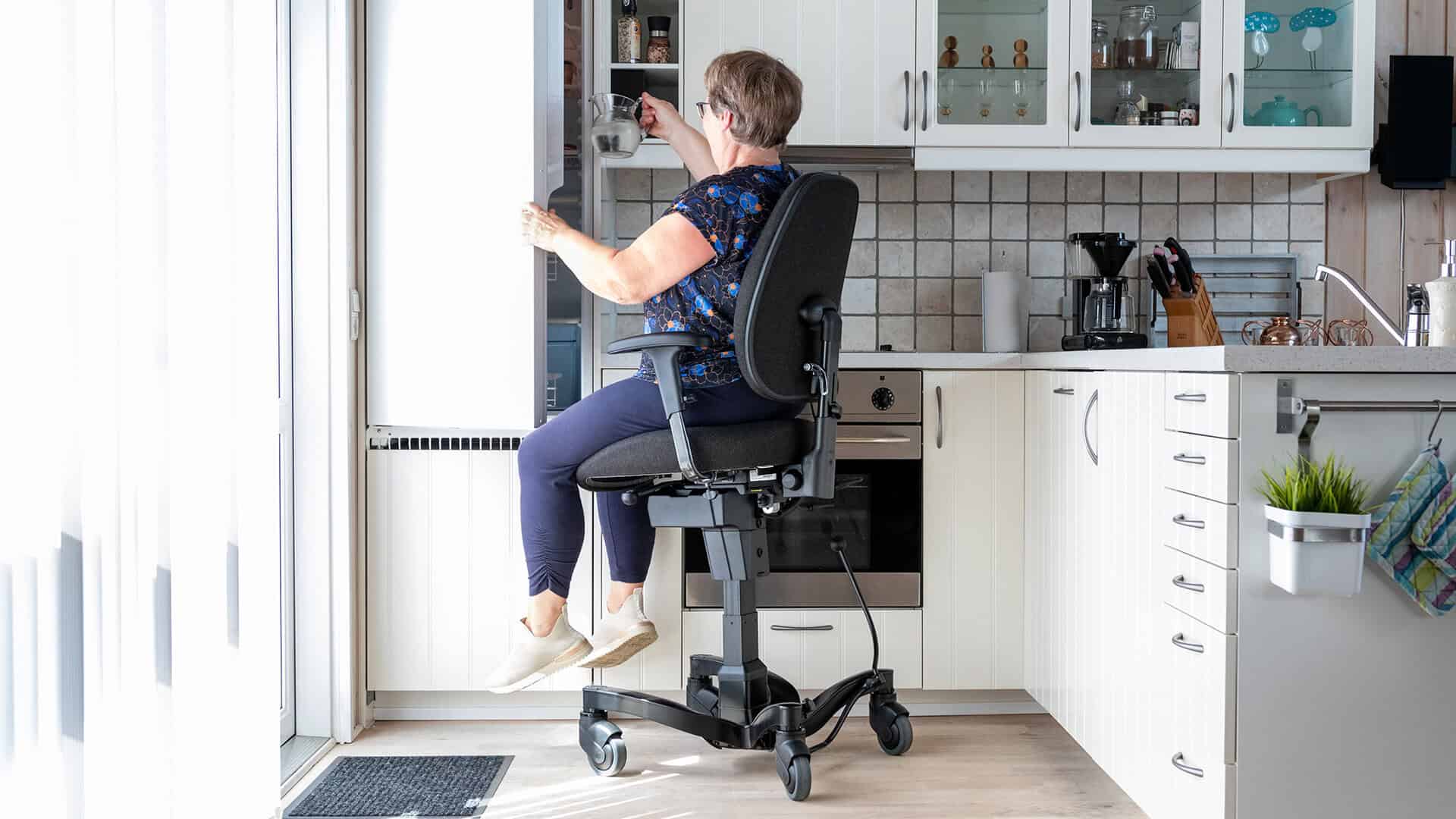
With aging, the challenges of maintaining independence often increase, leading many to consider nursing homes as a necessity. However, solutions that support autonomy and safety can potentially reduce reliance on these facilities. One such option enhancing home living for seniors is the VELA chair, a medically approved mobility chair designed for home use. By providing enhanced safety, freedom of movement while seated, and support for conducting daily activities like cooking, dressing, or transferring, VELA chairs alleviate the physical demands on informal caregivers, allowing older adults to retain dignity and independence in their own home environment.
Mobility solutions like VELA chairs play a crucial role in prolonging independence for seniors, offering a significant alternative to early placement in nursing homes. VELA chairs are equipped with features tailored to improve safety and ease daily tasks, such as a central brake that ensures stability and electric height adjustability to facilitate transfers. Seniors can move effortlessly while seated, preserving energy and enabling activities like cooking, cleaning, or relaxing with confidence. This practical solution not only enhances safety and autonomy but also instills a sense of freedom and dignity in daily life. While VELA is not the sole option available, its proven design makes it a valuable choice for supporting aging in place and reducing caregiver burden from a practical, real-world perspective. More insights on these solutions can be explored through resources on Independent Living Aids.
References and Further Reading
- A Place for Mom: Couples in Assisted Living
- Aegis Living – Assisted Living Solutions
- A Place for Mom: Cost of Assisted Living
- Belmont Village – Senior Living Options
- Medicaid Planning Assistance: Medicaid Eligibility 2025
- VELA Chairs – Mobility Solutions
- Health Dimensions Group: Industry insights and aging services trends
- National Institute on Disability, Independent Living, and Rehabilitation Research (NIDILRR): Assistive technology and rehabilitation resources
- Senior Housing News: Top Senior Living Trends for 2026
- NIC MAP: Senior Housing Five Key Trends to Watch in 2026
- Provider Magazine: Long Term Care 2026 Trends and Outlook
- CCL-HG: The Top 10 Well-Being Trends Shaping Senior Living 2026
- Brett Furman: Senior Housing for Couples with Different Needs