

Updated September 2025: We have updated the article to include the latest advancements in AI-powered assistive technologies, brain-computer interface prosthetics, and integrated smart home systems that enhance independence and safety for individuals with schizophrenia. The article also reflects recent policy shifts affecting Medicaid funding and highlights evolving, person-centered care models in assisted living. New sources have been added to support these updates.
Understanding Schizophrenia in the Assisted Living Context
When contemplating assisted living for individuals with schizophrenia, it is essential to recognize the nuanced requirements associated with this condition. Schizophrenia is a multifaceted mental health disorder marked by disturbances in cognition, perception, emotional expression, and social interaction. According to a study published by the National Institutes of Health, the prevalence of serious mental illnesses, including schizophrenia, in assisted living settings has significantly increased, with figures ranging from 11.4% to a remarkable 38%. This trend underscores the urgent need for specialized care environments that adeptly address their cognitive and emotional requirements. Ne’eman, 2023
A meticulously structured assisted living environment is vital in providing the stability and routine necessary for individuals diagnosed with schizophrenia to thrive. Facilities typically employ customized strategies to manage co-morbid conditions such as depression and dementia, as emphasized by A Place for Mom. This is accomplished through programs tailored to the needs of the residents and a workforce composed of proficient mental health care professionals who specialize in individualized care approaches. In recent years, these approaches have increasingly incorporated value-based care models and technology-enabled monitoring for improved personalized outcomes. Radicle Health, 2025; Juniper Communities, 2025
Who Needs Assisted Living for Schizophrenia? Determining Suitability and Readiness
Determining the appropriateness of assisted living for someone with schizophrenia involves a thorough assessment of their current living situation and care needs. Indicators that suggest assisted living may be beneficial include increased care requirements, difficulty in managing daily tasks, and challenges in ensuring home safety. Transitioning to an assisted living community often results in improved outcomes for individuals whose routines have become increasingly untenable.
Numerous narratives exist of individuals transitioning successfully from independent living to assisted living, where they avail themselves of comprehensive support systems, such as medication management and mental health counseling, resulting in notable enhancements in life quality. As noted by Experience Structured Living, the structured environment and professional assistance provided are crucial in fostering greater independence and mental stability among residents. In 2025, greater emphasis is placed on comprehensive, whole-person models that merge technological aids—such as AI-powered personal assistants for information, reminders, and communication—with therapeutic, social, and wellness activities. Let’s Envision, 2025
Core Features of Schizophrenia-Focused Assisted Living Programs
Facilities specializing in schizophrenia care offer pivotal services tailored to meet the residents’ unique needs, including medication management, counseling, and constant supervision to ensure thorough care around the clock. As detailed by A Place for Mom, tailored activities and routines are instrumental in promoting mental wellness and cultivating a sense of community among residents.
The efficacy of structured programs within these facilities lies in their ability to improve residents’ overall outcomes through predictable scheduling and specialized therapeutic activities addressing psychological and emotional needs. These programs not only enhance life quality but also reinforce residents’ sense of autonomy and self-esteem. With the growing presence of serious mental illness in assisted living, there is a continued shift away from institutional “warehousing” in nursing homes towards community-oriented living solutions that integrate mental health services and technologies to support daily life. Ne’eman, 2023; Radicle Health, 2025
Integrating Safety and Independence: The Role of Adaptive Equipment
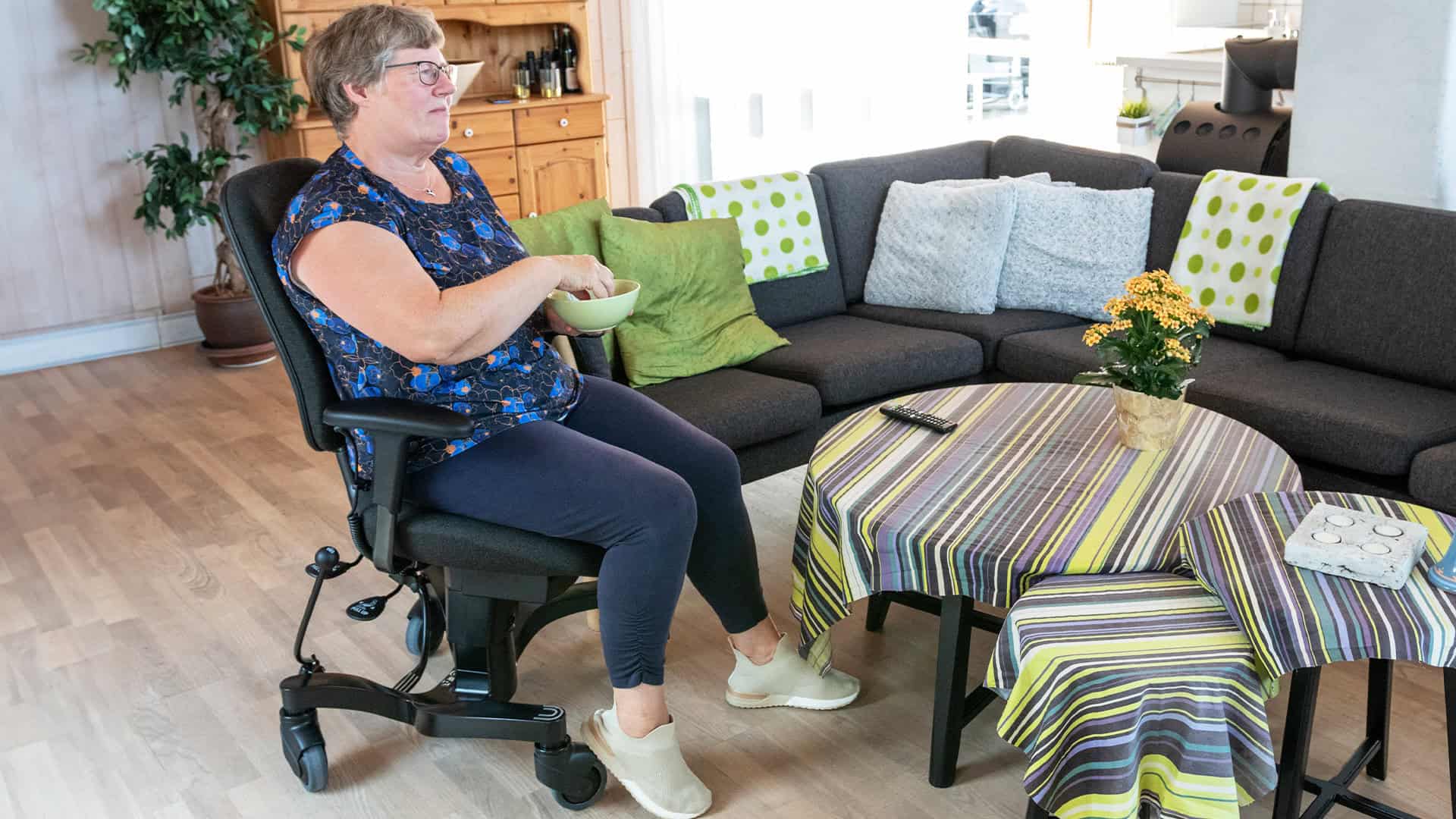
Prioritizing each resident’s safety while promoting independence stands as a core objective in schizophrenia-focused assisted living communities. Adaptive equipment is pivotal in achieving these aims. While challenges in traditional nursing homes emphasize a need for safer, more supportive environments, solutions like the VELA Independence Chair offer practical alternatives for older adults wishing to stay independent at home. VELA is a medically approved mobility chair designed for home use, providing enhanced safety, freedom of movement while seated, and support for daily activities like cooking, dressing, or transferring—all while reducing the load on informal caregivers.
Utilizing adaptive equipment like the VELA chair offers safety-enhancing mobility solutions that empower independence. With features such as height adjustability and lockable wheels, the VELA chair fulfills the specific requirements of elderly residents by minimizing fall risk and bolstering mobility. These interventions are crucial in balancing safety and independence, enabling residents to engage in daily activities with dignity and self-reliance.
Assisted living for individuals with schizophrenia represents a specialized niche within the broader continuum of assisted care. By providing tailored services and adaptive technologies, these facilities effectively meet the distinct needs of their residents. It is significant, however, to weigh both the benefits and challenges associated with these settings. They deliver structured environments and comprehensive care but often involve higher costs, particularly for specialized mental health programs.
The adoption of advanced assistive technologies in 2025 is providing new opportunities for increased autonomy. Innovations include AI-powered smart home systems with voice activation and IoT integration for environmental control, AI-powered smart glasses for real-time scene description and navigation, and brain-computer interface prosthetics offering highly natural limb control. These technologies are especially relevant for individuals with comorbid sensory or mobility challenges. Think Beyond The Chair, 2025; Tomcare, 2025
Recent policy and regulatory changes are also affecting funding and access. Shifting Medicaid programs toward state-controlled block grants and introducing work requirements create new pressures on facilities to diversify funding streams and focus on value-based outcomes. These trends underscore the importance of policy advocacy for community-based and integrated care models that serve people with schizophrenia. Radicle Health, 2025
Ultimately, deciding to move a loved one with schizophrenia into assisted living involves a detailed understanding of their unique care needs, the specific services offered by prospective facilities, and insights from authoritative sources like the CDC, the National Institutes of Health, and senior care experts. Tailored environments that prioritize both safety and independence can be transformative for residents, helping them lead fulfilling lives.
Supporting Aging in Place: A Practical Option
Staying independent at home can significantly benefit older adults, and mobility solutions like the VELA Independence Chair are crucial in achieving this goal. The chair provides unique features such as a central brake for safety, electric height adjustability for ease of transfers, and effortless movement while seated, ensuring residents can engage in daily activities safely and independently. This not only postpones the need for a transition to a nursing home but also upholds values of dignity and freedom. With a VELA chair, everyday tasks like cooking, cleaning, and relaxing become more manageable, enhancing quality of life. Although not the lone solution, the VELA Independence Chair stands as a proven, practical choice to support aging in place effectively. Learn more about Fall Prevention Strategies and how VELA aids in Supporting Independent Living, offering valuable insights into maintaining autonomy longer at home.
- Ne’eman A. “How Should We Address Warehousing Persons With Serious Mental Illness in Nursing Homes?” AMA Journal of Ethics, Oct 2023.
- Tomcare. “Assistive Technologies 2025: Innovations Empowering People with Disabilities.” 2025.
- Radicle Health. “Trends in Mental Health for Residential Care in 2025.”
- Think Beyond The Chair. “The Best Assistive Tech Gadgets in 2025: Enhancing Independence Through Innovation.”
- Juniper Communities. “Senior Living Trends in 2025.”
- Let’s Envision. “What’s Next for 2025: The Future of Assistive Technology & AI Assistants.”