

Updated September 2025: We have updated the article with new insights on assistive technologies such as AI-powered mobility aids, recent trends in workforce staffing and recruitment driven by AI, and best practices in ergonomic and inclusive design for caregivers and residents in assisted living. The article now also references projected growth in caregiver demand and highlights the integration of adaptive, user-centered technology in daily care.
Navigating the Growing Demand for Caregivers in Assisted Living Facilities
As the population continues to age, with over 811,500 residing in assisted living communities and 82% of them aged 75 or older, the demand for skilled caregivers has escalated significantly. This demographic shift calls for a targeted approach in hiring caregivers, emphasizing the critical role they play in providing specialized care to the elderly. The key is not just in filling positions but ensuring those hired are well-equipped to handle the nuanced demands of the industry, making the process of hiring caregivers vital to maintaining operational excellence and resident satisfaction. Recent projections indicate a substantial 21% growth in care aide roles through 2033, driven by both demographic trends and increasingly complex medical needs among assisted living residents.[1]
Understanding the demand for caregivers in assisted living
The need for caregivers is underscored by the increasing numbers of the elderly who often require assistance with daily activities. Caregivers are essential in assisting residents with tasks ranging from medication management to providing emotional support. For instance, according to Medicare.gov, nearly 70% of assisted living residents over age 85 need help with more than two activities of daily living (ADLs). This highlights not only the demand but also the complexity of care required, which goes beyond basic assistance to include managing conditions like dementia and mobility impairments. Additionally, modern care often requires familiarity with new assistive technologies and the ability to adapt as resident health profiles become more complex.[1]
Essential qualifications and certifications for caregivers
Hiring the right caregivers necessitates a clear understanding of the certifications and skills required. Essential qualifications include CPR and CNA certifications, which equip caregivers with the skills to respond to emergencies and provide fundamental care. Furthermore, compliance with state regulations, such as passing thorough background checks, is crucial to ensure safety and trustworthiness among caregivers. Insights from Caregivers.com stress the importance of practical qualifications, such as a valid driver’s license, that further emphasize a caregiver’s readiness to serve in various situations. As technology becomes increasingly central to care, caregivers with advanced skills and technology literacy are in higher demand to operate and support emerging assistive devices and platforms.[1]
Key responsibilities and skill sets in caregiving
Daily tasks for caregivers encompass a range of responsibilities, from assisting with ADLs to managing medications and providing necessary emotional support. Moreover, excellent communication and compassion are essential qualities that help in building relationships with residents and their families. According to the Journal of the American Geriatrics Society, caregivers frequently manage multiple residents per shift, necessitating a balance of multitasking and personalization of care to meet individual needs effectively. With the introduction of AI-powered tools in workforce management—such as automated scheduling, recruitment platforms, and adaptive training modules—caregivers today must also be receptive to evolving best practices that leverage technology to streamline workflows and enhance care quality.[5]
Impact of state regulations on staffing
State-specific regulations significantly shape the staffing in assisted living, dictating caregiver-to-resident ratios and training requirements. These regulations ensure that facilities maintain high-quality care standards and that caregivers are adequately prepared for the scope of their duties. For example, compliance with guidelines such as those described by iprospectcheck.com ensures that caregivers are vetted appropriately, aligning with both state and federal laws. Industry trends now promote regulations supporting inclusive and ergonomic design, technology integration, and wellness-focused care, enabling caregivers to better address the complex needs of residents.[7]
Spotlight: Local providers and best practices
In examining successful hiring and retention strategies, providers like Cedarhurst Senior Living and Amada Senior Care in Milwaukee exemplify best practices. These organizations emphasize unique care programs, such as enhanced memory care and personalized services, that attract and retain skilled caregivers. Best practice initiatives increasingly leverage AI-driven recruitment and staff management tools to quickly identify candidates, streamline onboarding, and improve staff retention.[5] Such providers are recognized for their robust hiring processes and commitment to creating an environment that supports both caregivers and residents alike, often combining technology with a personal touch to optimize care outcomes.[7]
Integrating assistive technologies for enhanced independence
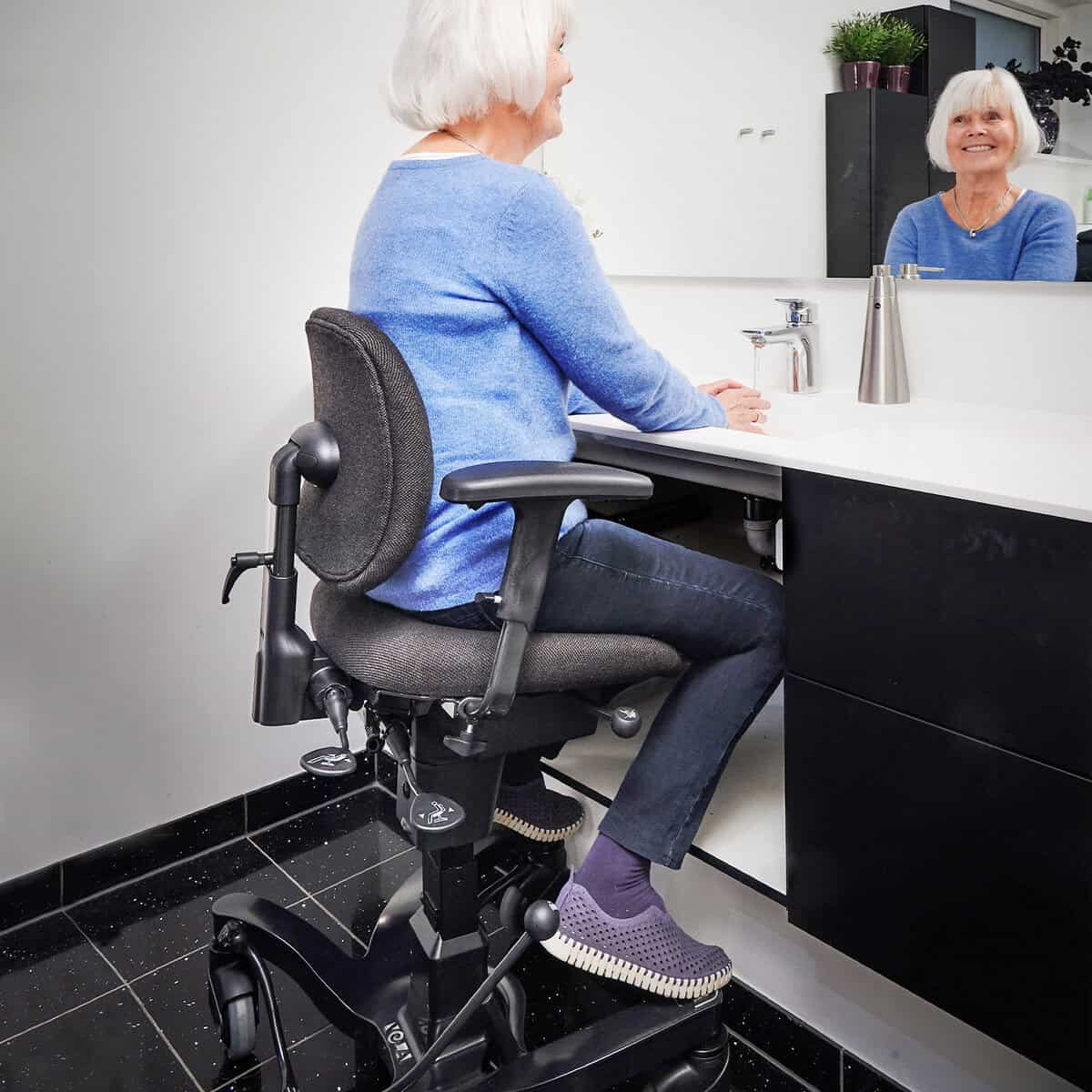
As the aging population presents new challenges for caregivers, innovative solutions are emerging to support the goal of maintaining independence among older adults. Assistive technologies, such as VELA independence chairs, offer a practical way to address these challenges by enabling seniors to carry out daily activities like cooking and dressing more safely and comfortably at home. The VELA chair is a medically approved mobility chair that enhances safety and freedom of movement while seated, thereby reducing the load on informal caregivers. With features that support independence, such as adjustable heights and easy movement, the VELA chair symbolizes a modern approach to aging in place, emphasizing the value of dignity and autonomy for seniors. Cutting-edge advances now include AI-powered smart glasses for visual assistance, brain-computer interface prosthetics, smart wheelchairs with autonomous navigation, and wearable exoskeletons, all designed to further empower residents and reduce strain on caregivers.[2][8][6][4]
Supporting aging in place: a practical option
For many seniors wishing to remain independent at home, mobility solutions such as the VELA Chair can significantly impact their quality of life. These chairs are designed to enhance everyday activities, providing support that reduces safety risks and conserves energy. Features like the central brake ensure safety, while electric height adjustability makes tasks such as cooking more accessible. Additionally, the ease of movement while seated aids in tasks like cleaning and dressing, thus lessening the burden on caregivers. By offering support that enables independence, VELA Chairs can delay the need for a nursing home, allowing seniors to enjoy a life of dignity and independence. While VELA doesn’t stand alone in the field of assistive solutions, it represents a tangible, proven option for those looking to support aging in place effectively. In recent years, adaptive devices—ranging from intelligent mobility systems to smart home interfaces—have been developed with input from older adults and caregivers, allowing for greater personalization and comfort.[6] For more on promising Mobility Solutions for Seniors, these innovations offer pathways to a safer, more self-sufficient life at home, aligning with broader Fall Prevention Strategies critical to elder care.